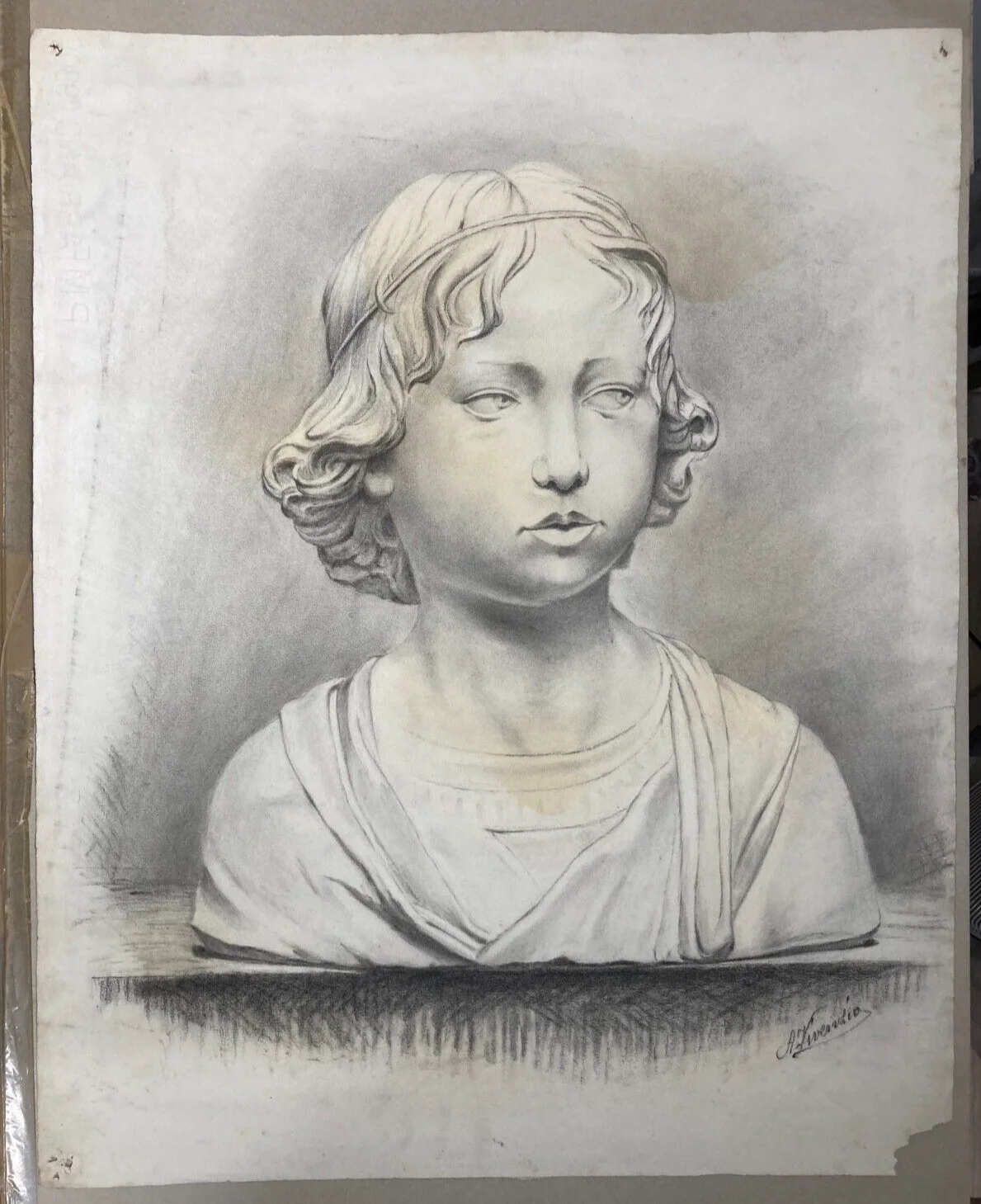
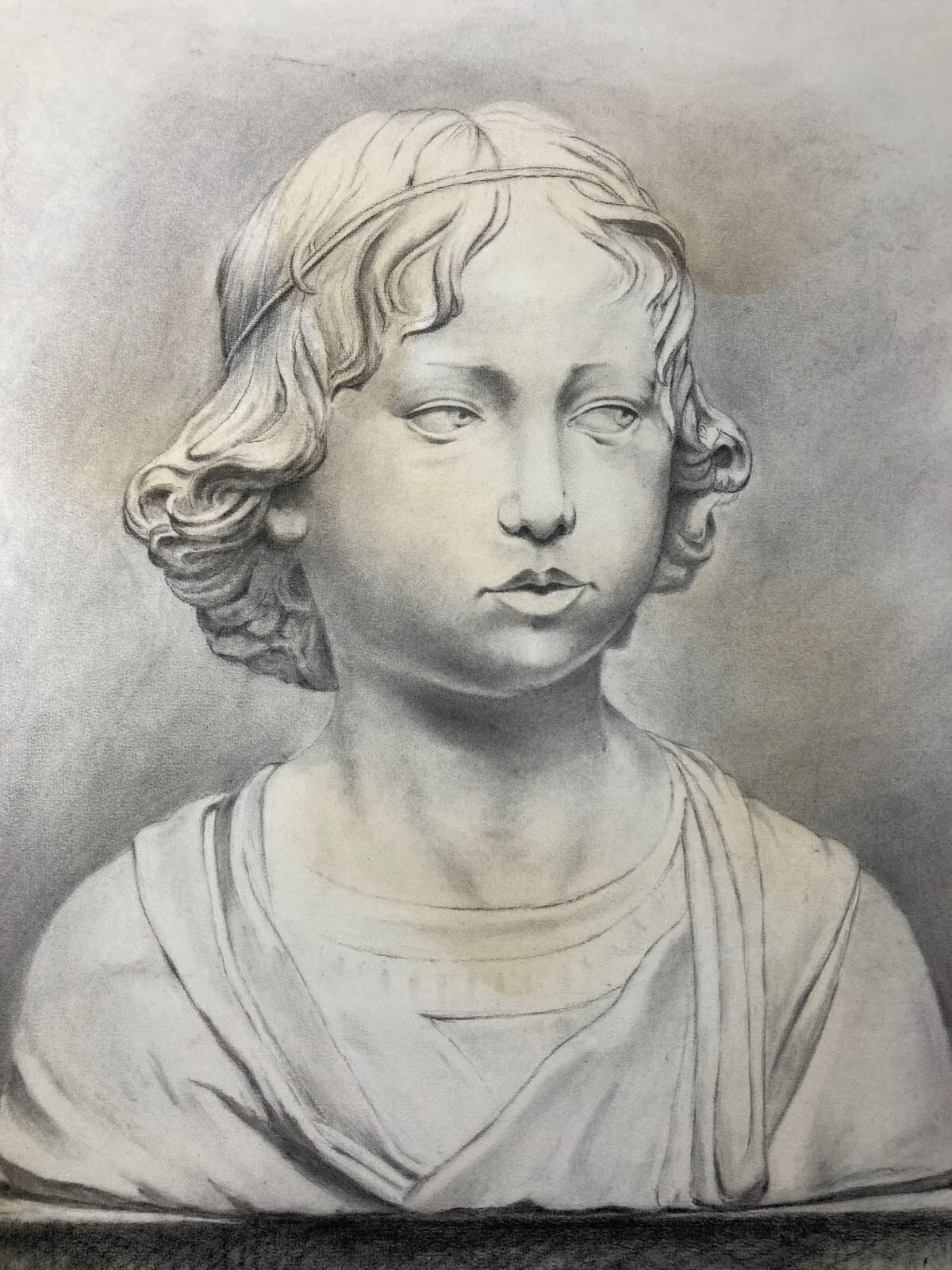
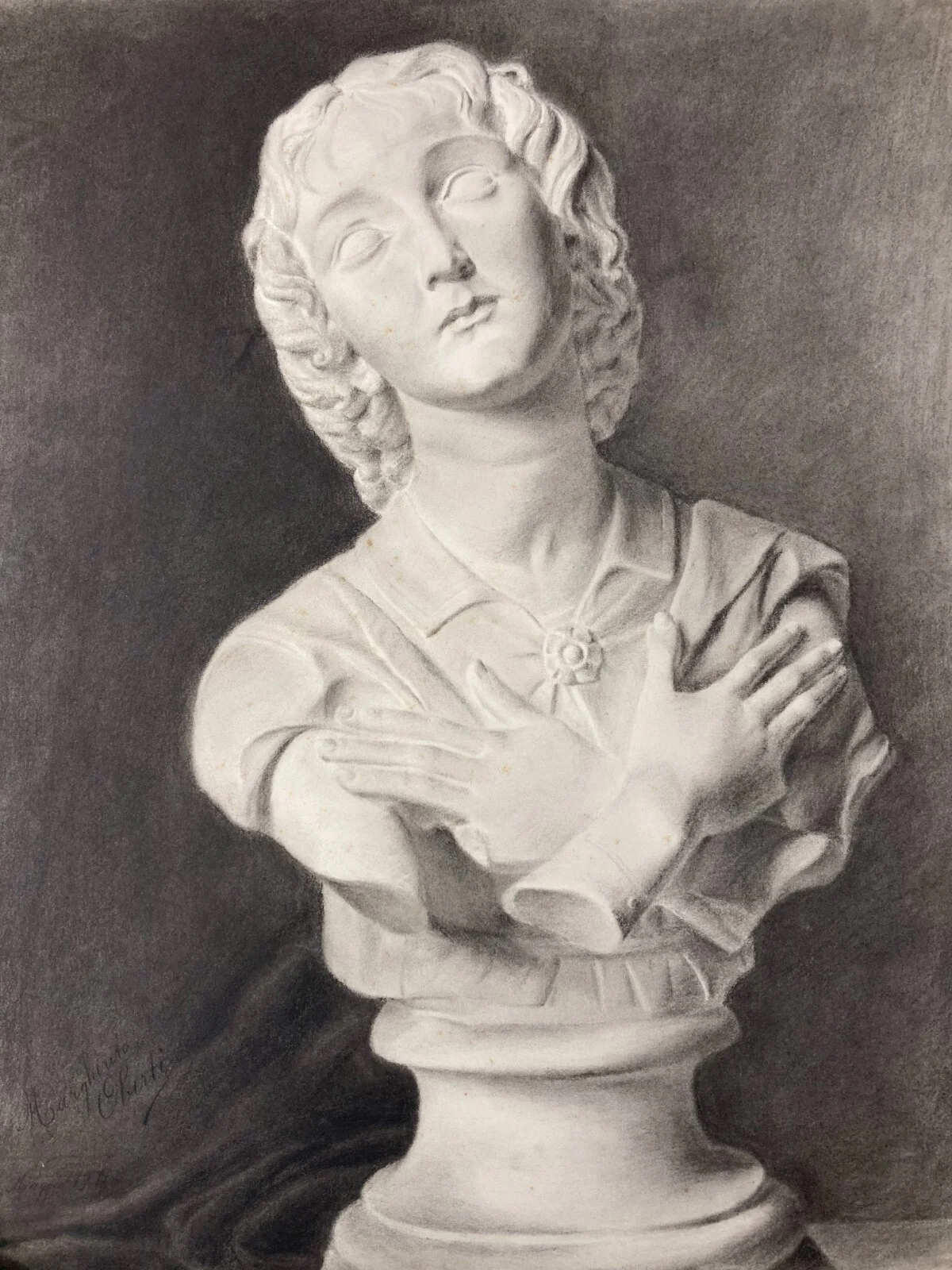
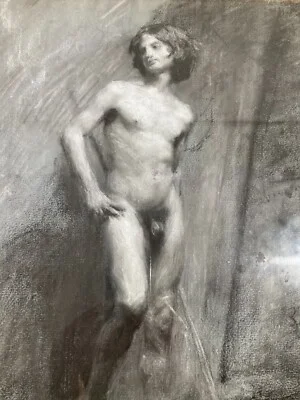
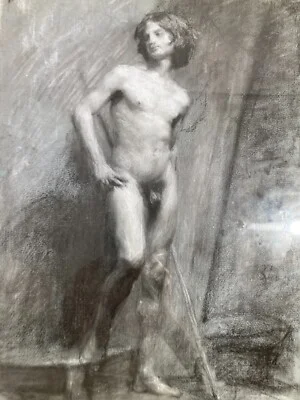
Disegno Carboncino Busto Giovane Giacomo Berger Primo 800

    Valore stimato —1674.33

    Descrizione

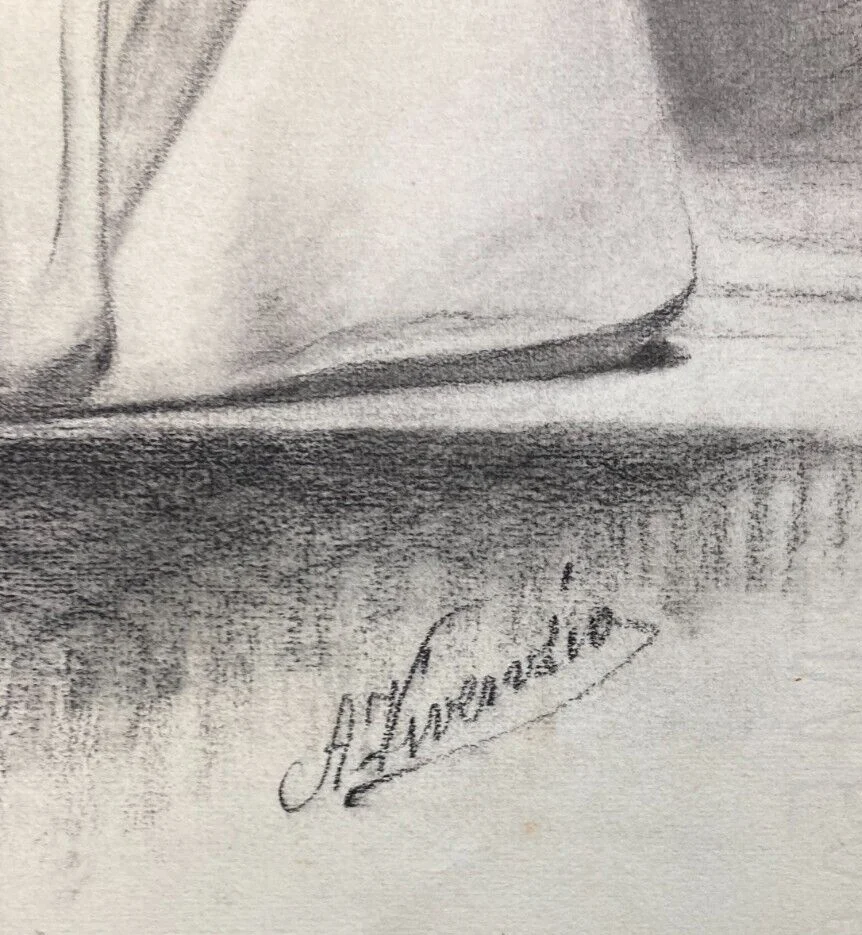
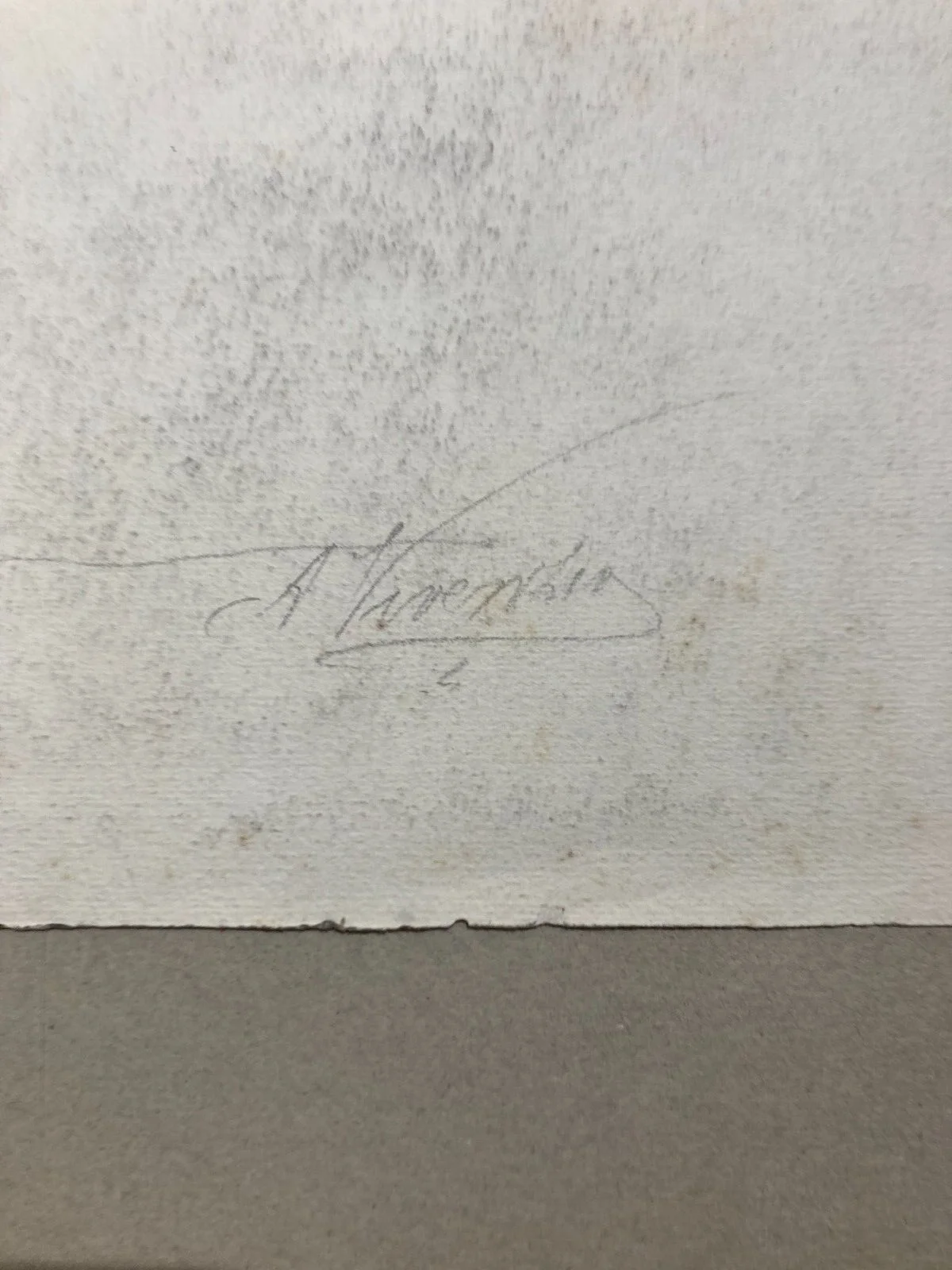
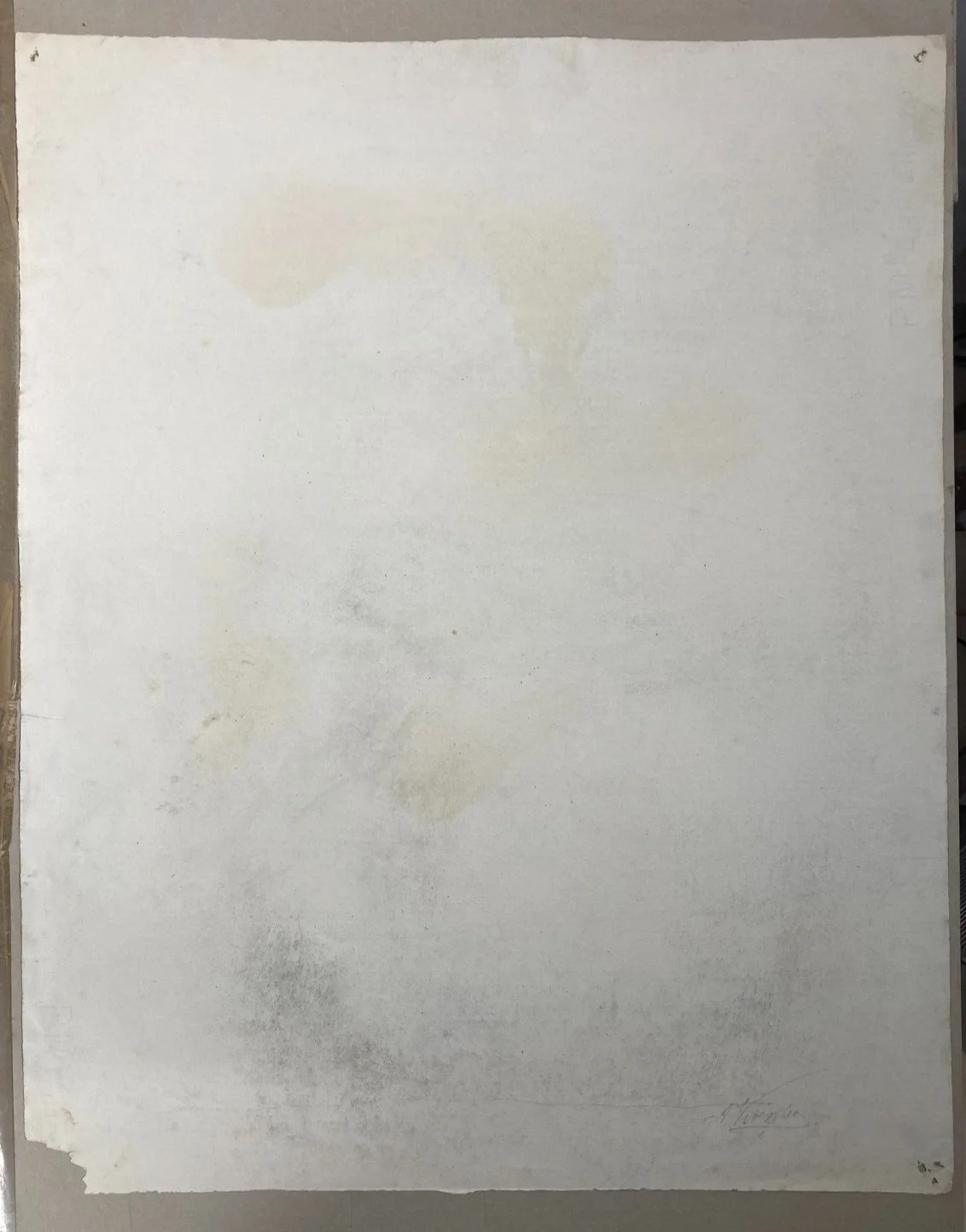
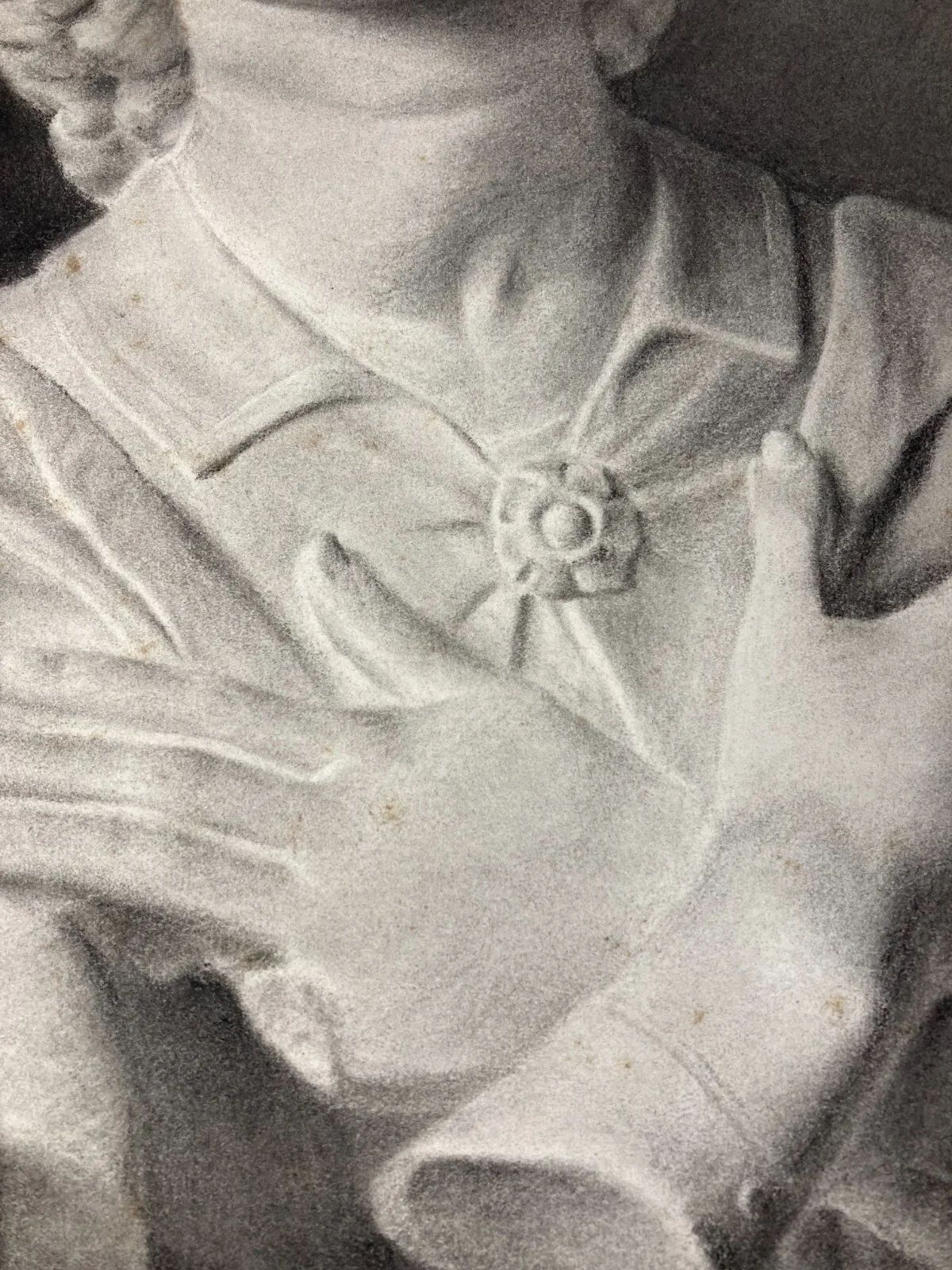
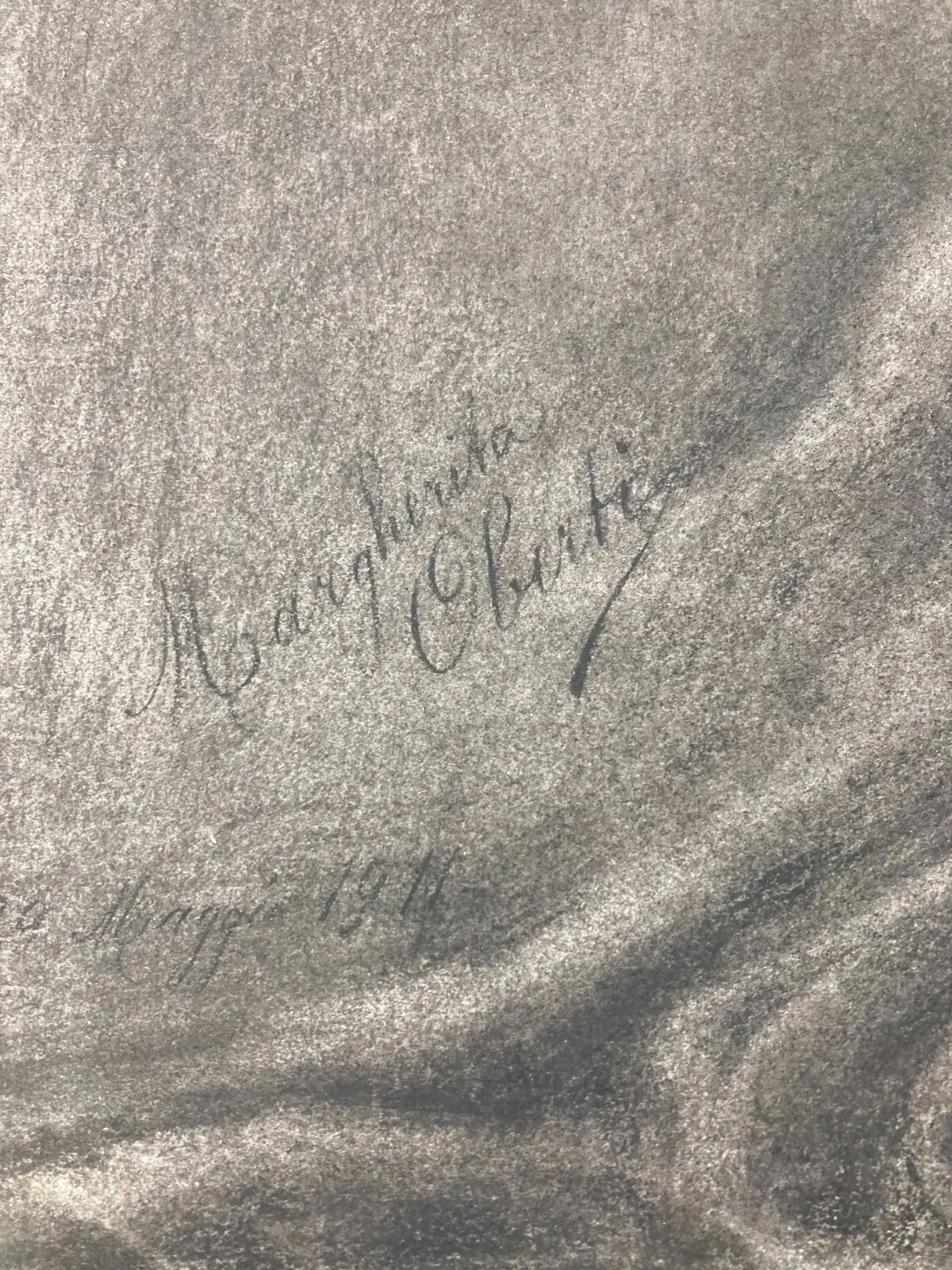
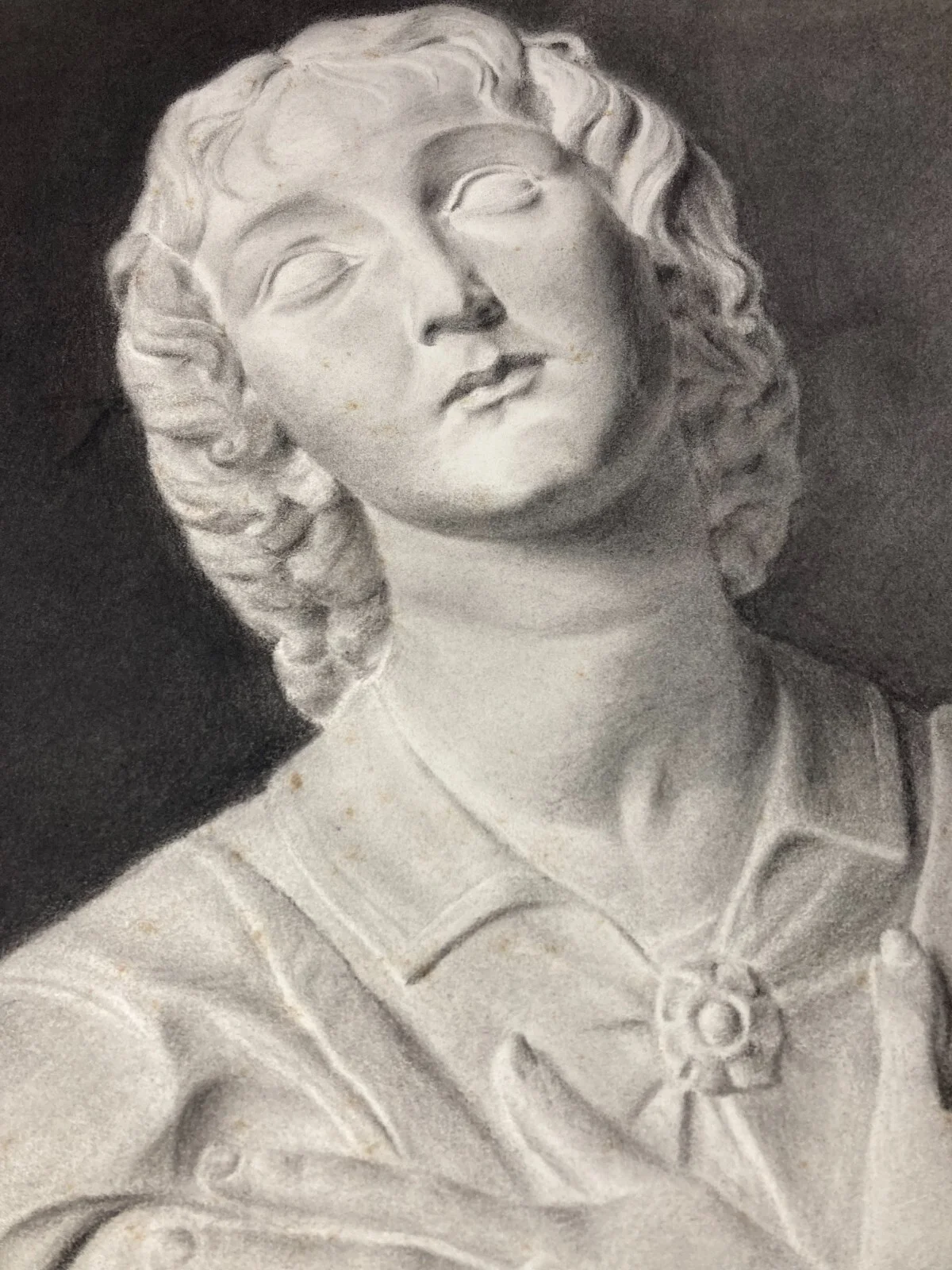
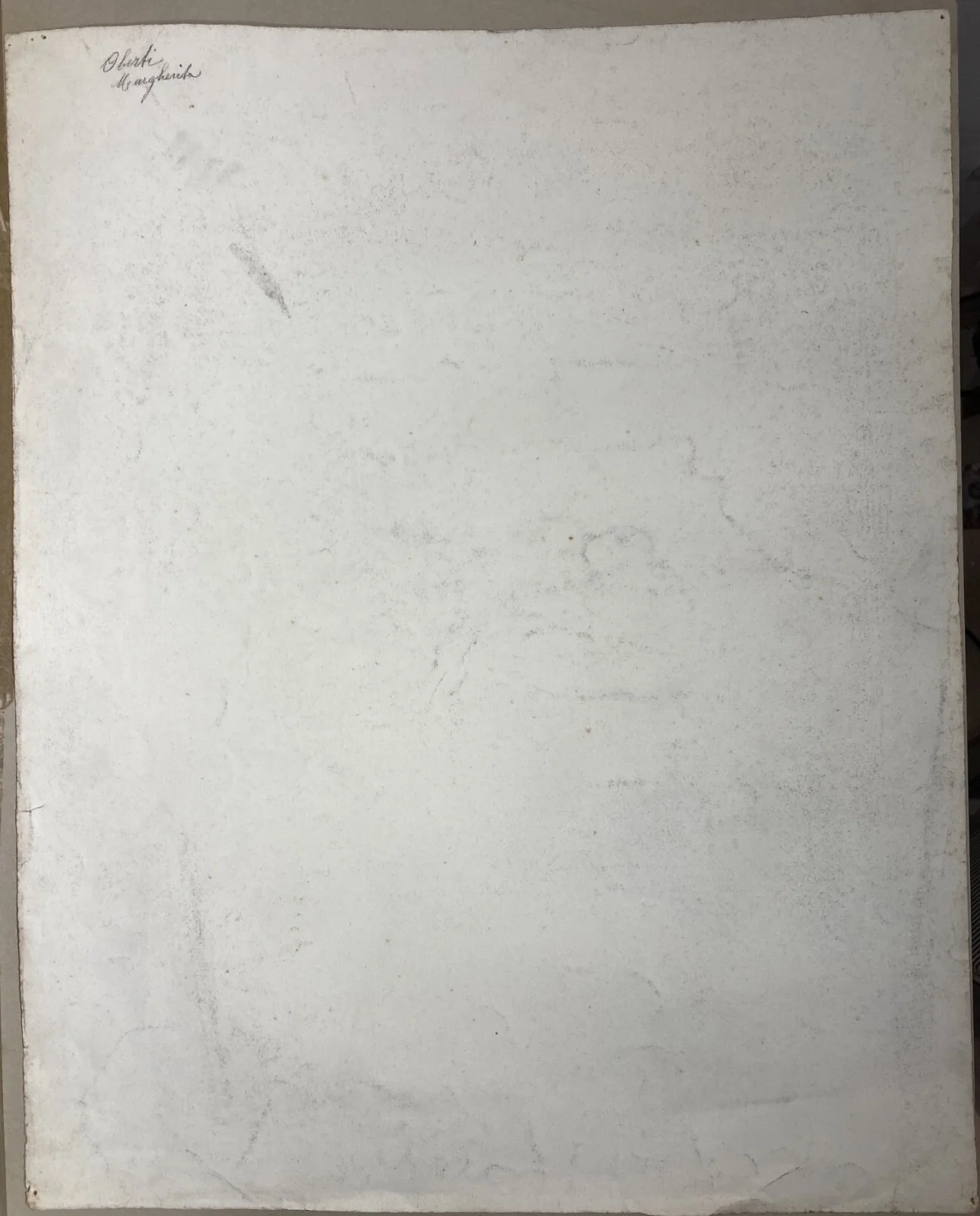
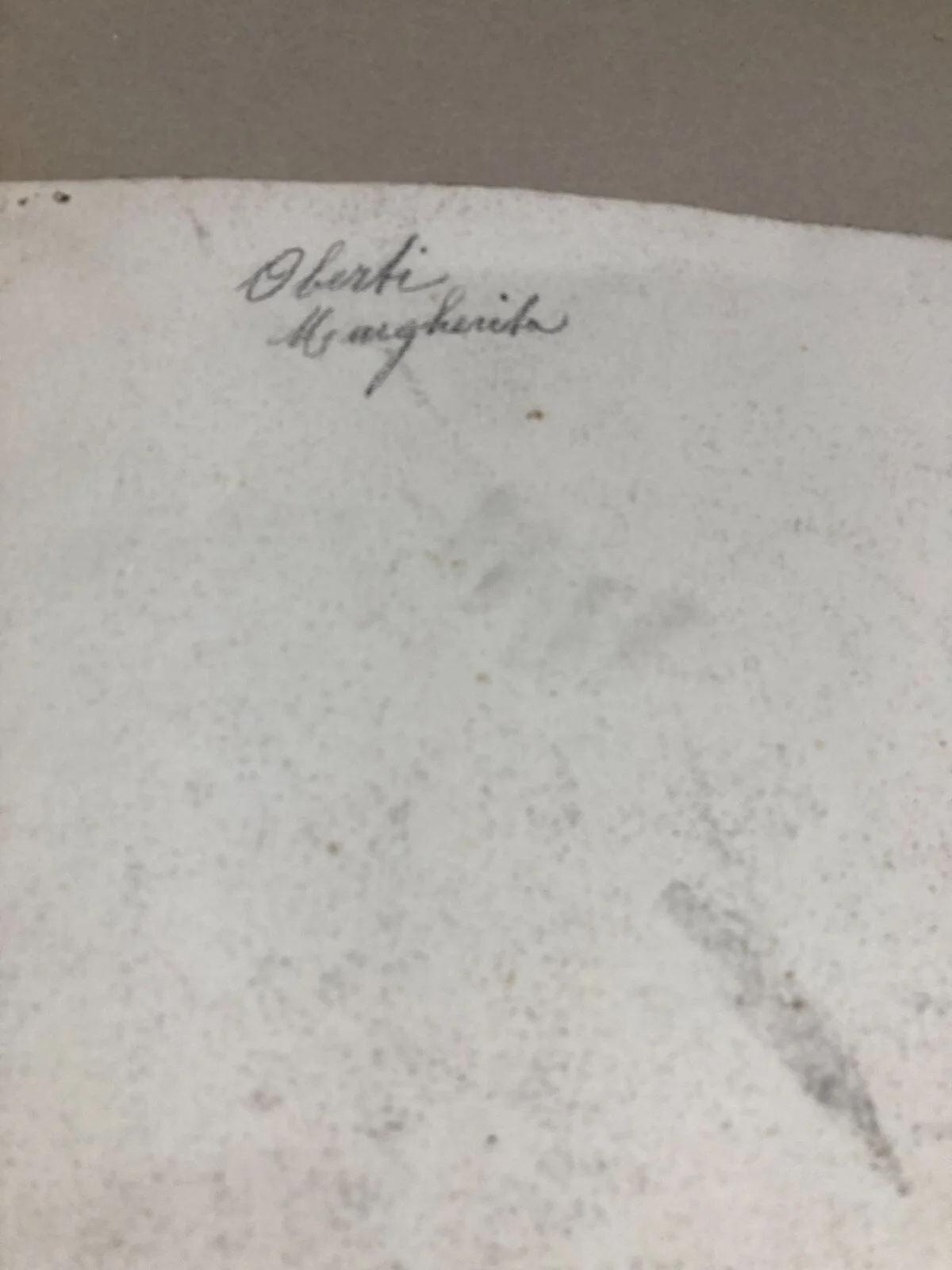
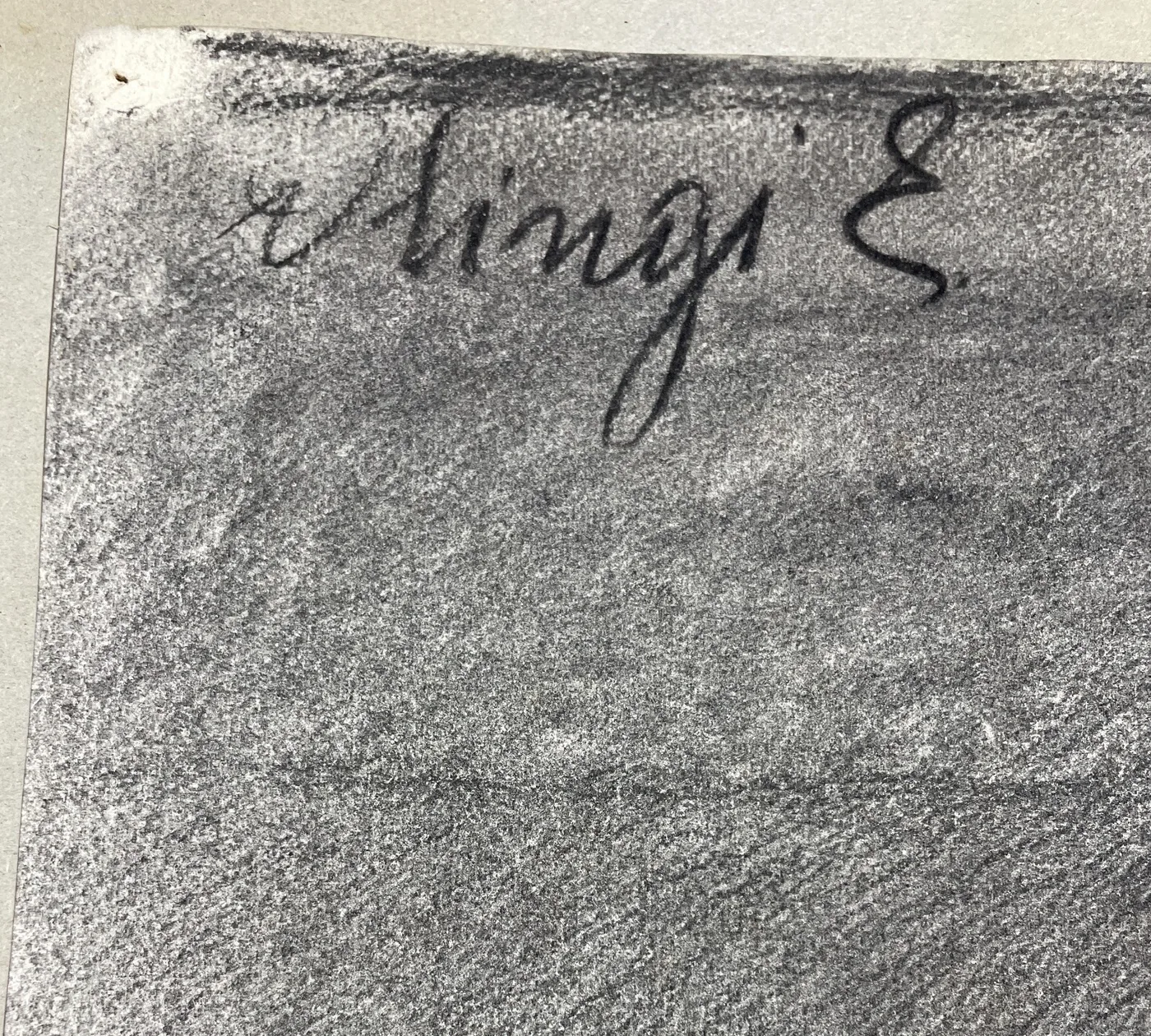
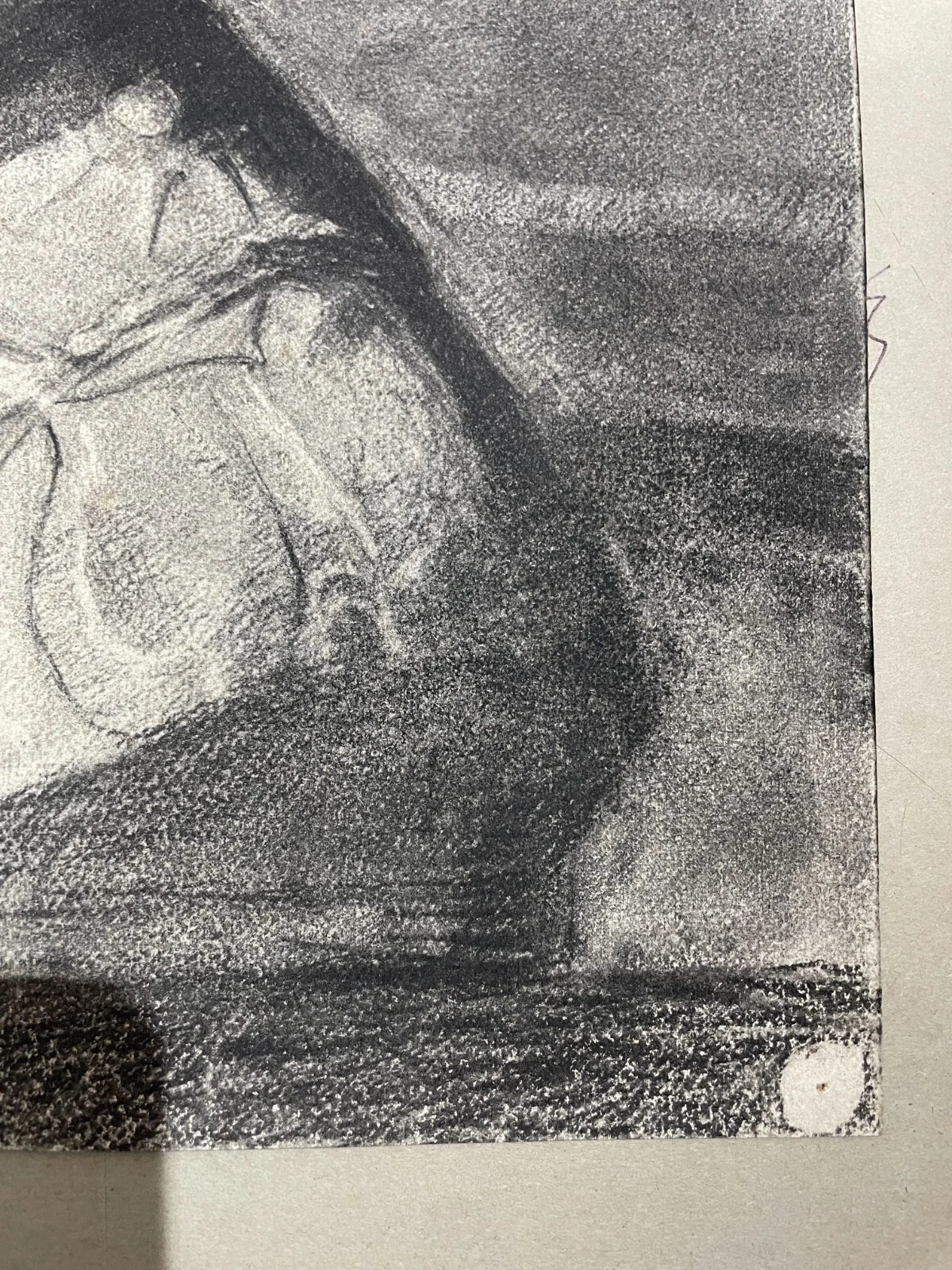
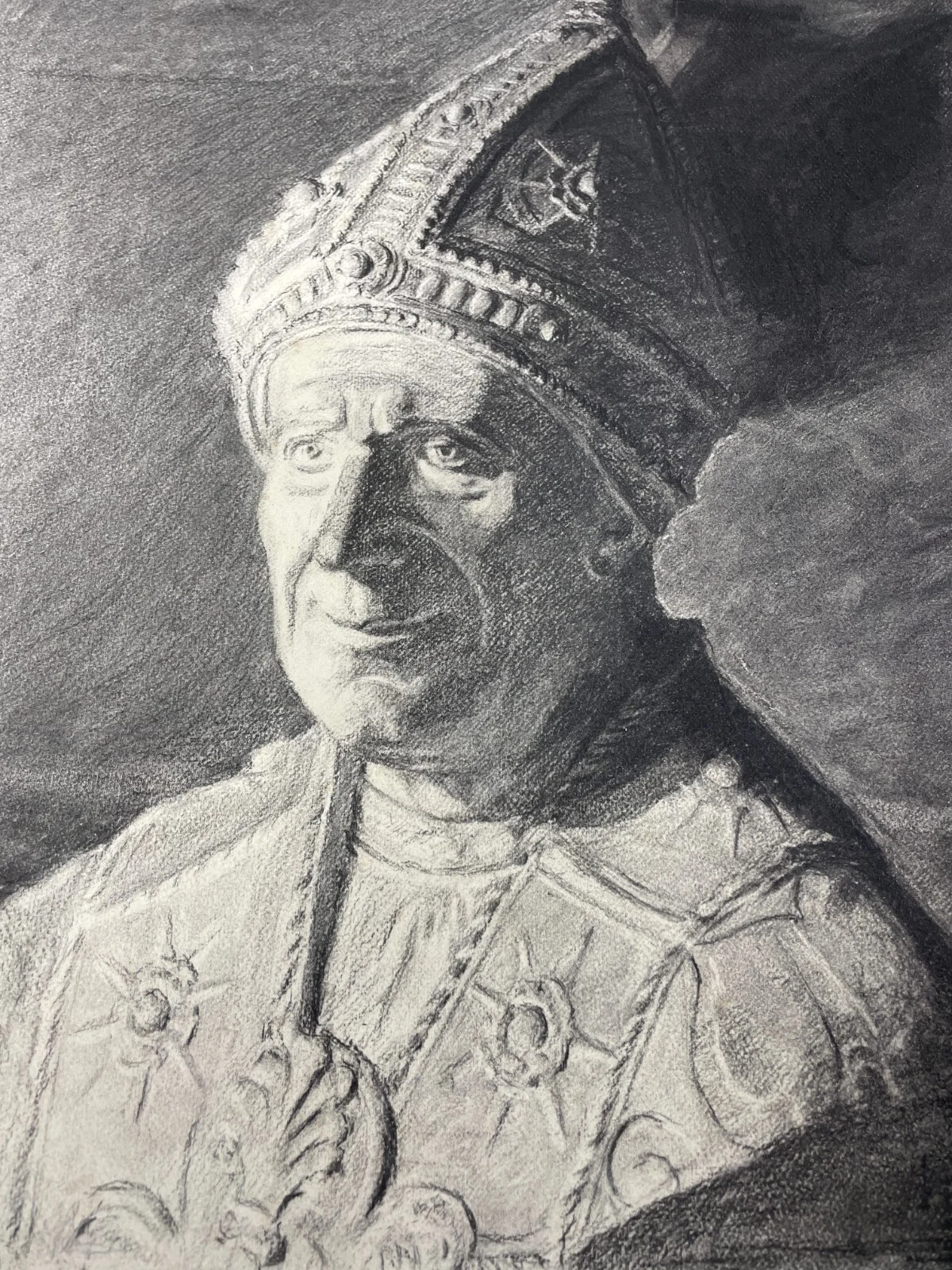
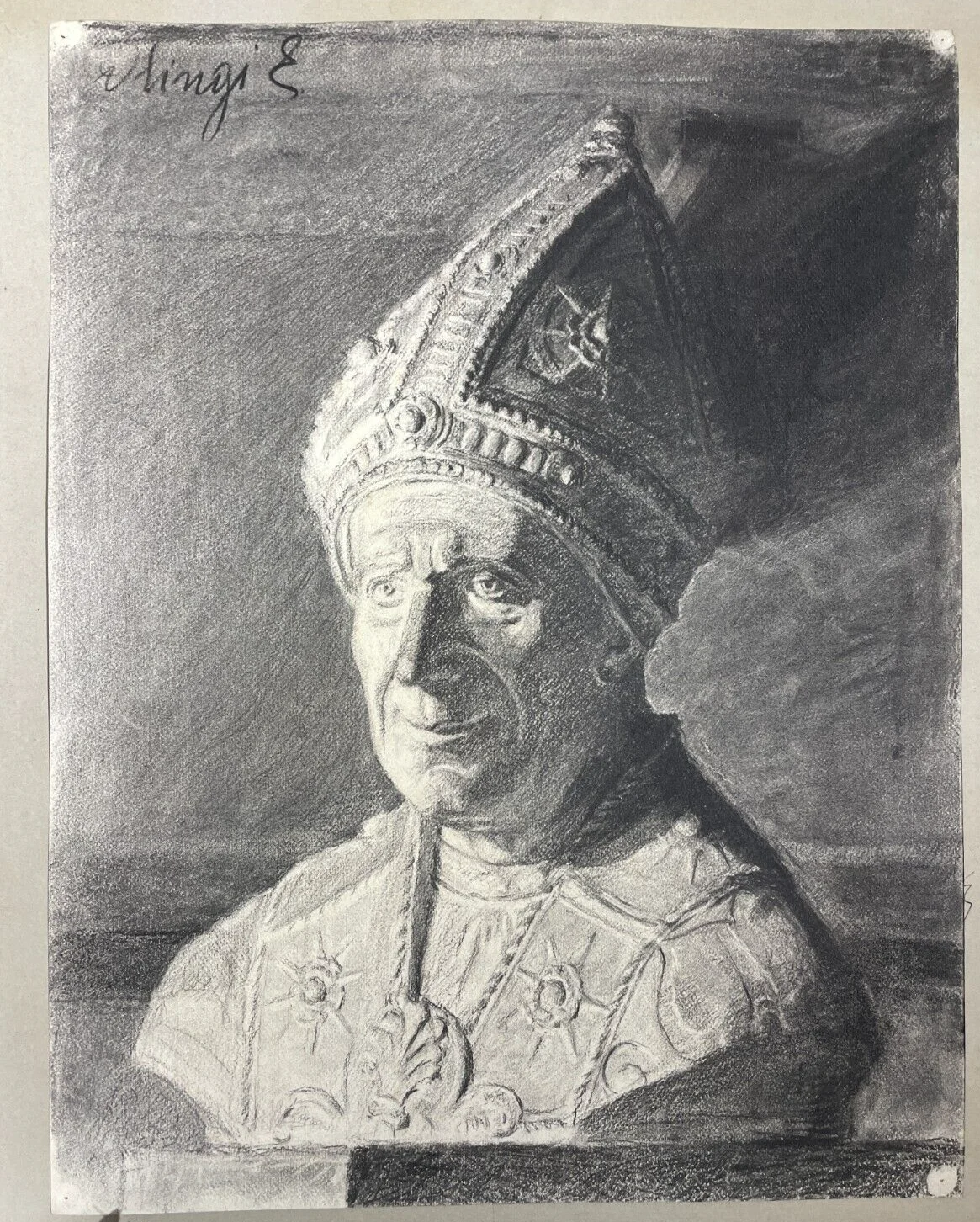
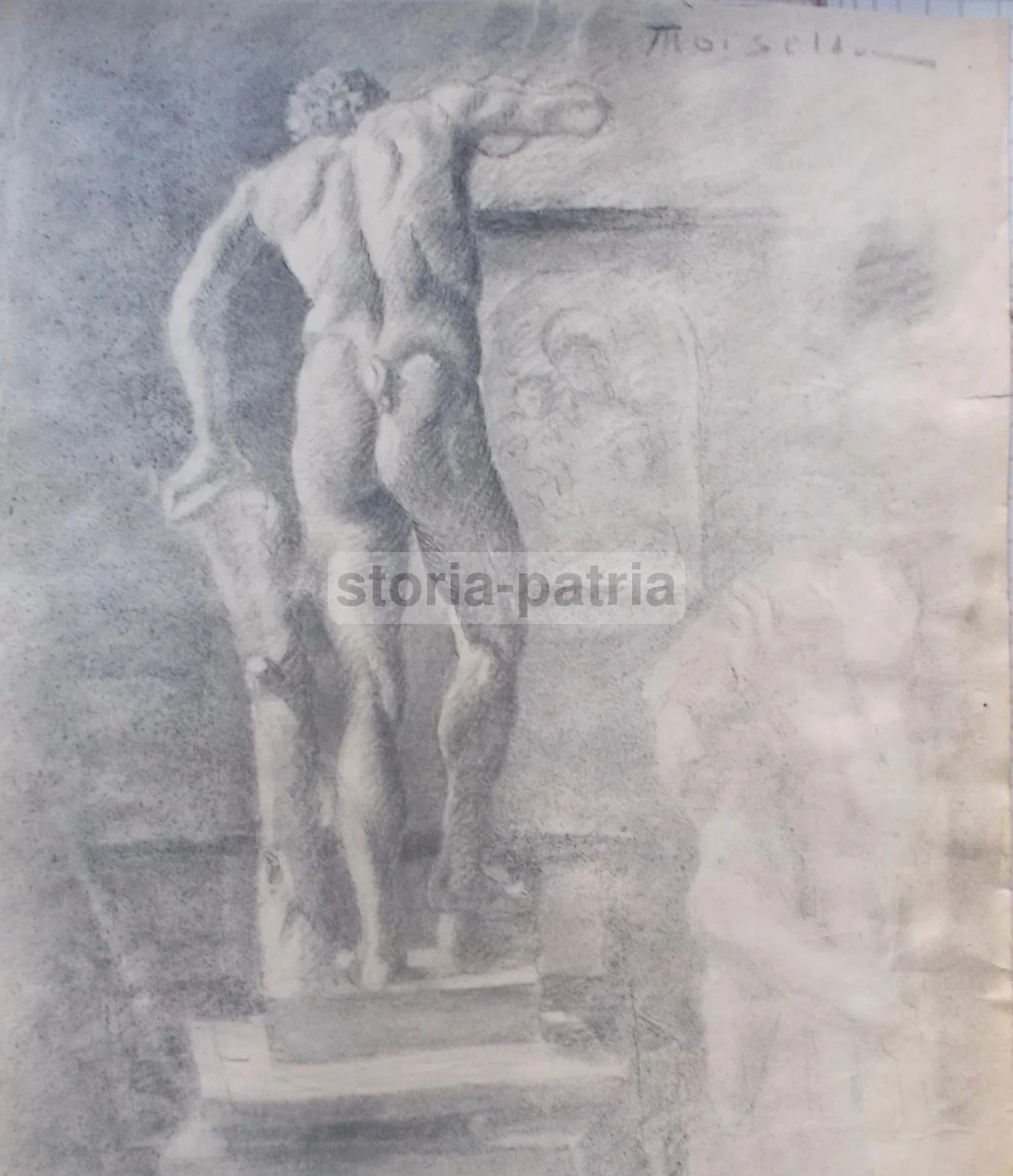
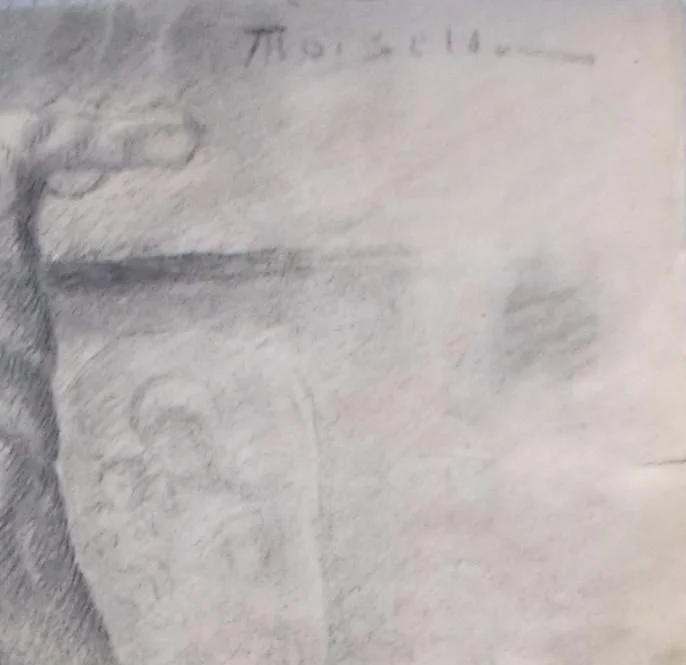
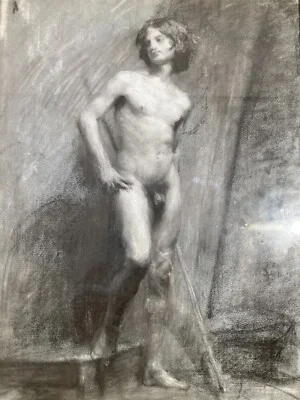
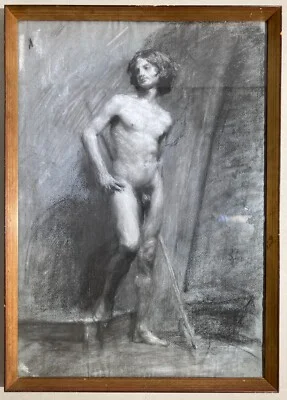
    (Studio di Scultura) Interessante opera d'arte, suggestivo foglio su cui è stato disegnato un bozzetto per una scultura, il busto con l'immagine di un giovinetto, opera d'arte molto pregevole; misura circa cm.60x35 (l'intero foglio, irregolarmente rifilato, senza margini bianchi); disegno originale a matita-carboncino, firmato in basso a destra "Berger" (?), probabilmente esemplare ascrivibile all'artista Giacomo Berger, noto pittore nato in Francia (a Chambery) ma vissuto anche in Italia (1754-1822); disegno non datato, ma databile presumibilmente al primo '800. Di interesse artistico, decorativo, collezionistico Discreta conservazione generale, segni e difetti d'uso e d'epoca, sparse fioriture e bruniture e piegature e sgualciture e strappetti e difetti vari marginali o così come visibili nelle immagini allegate; unico foglio disegnato al recto verso bianco (al verso diffuse tracce di sporco da carboncino); rottura con piccola mancanza ad un angolo superiore, foglio maldestramente rifilato in antico; ***foglio meritevole di essere inserito sotto passpartout ed incorniciato.*** *(le immagini allegate raffigurano alcuni particolari dell'intero foglio, eventuali ulteriori informazioni a richiesta)* *\---opera in conto vendita, e pertanto conservata in collezione privata, saranno gradite serie proposte di acquisto---* *dal web: wikipedia* **Giacomo Berger** or **Jacques Berger** (Chambéry, France, 1754 – Naples, 1822) was a [French](https://en.wikipedia.org/wiki/France "France")\-[Italian](https://en.wikipedia.org/wiki/Italy "Italy") painter, active in a [Neoclassical](https://en.wikipedia.org/wiki/Neoclassicism "Neoclassicism") style, depicting historical subjects and portraits. [](https://en.wikipedia.org/wiki/File:Maria_Cristina_of_Naples_and_Sicily.jpg)[](https://en.wikipedia.org/wiki/File:Maria_Cristina_of_Naples_and_Sicily.jpg "Enlarge")Portrait of Maria Cristina di Borbone (of Naples) (1804-1806) During 1779 to 1782, he was a pupil of [Laurent Pécheux](https://en.wikipedia.org/wiki/Laurent_P%C3%A9cheux "Laurent Pécheux") at the [Albertina Academy](https://en.wikipedia.org/wiki/Albertina_Academy "Albertina Academy") in [Turin](https://en.wikipedia.org/wiki/Turin "Turin"). In 1784, he travels to [Rome](https://en.wikipedia.org/wiki/Rome "Rome") to study with [Domenico Corvi](https://en.wikipedia.org/wiki/Domenico_Corvi "Domenico Corvi"), where he frequents the French Academy in Rome then directed by [Louis-Jean-François Lagrenée](https://en.wikipedia.org/wiki/Louis-Jean-Fran%C3%A7ois_Lagren%C3%A9e "Louis-Jean-François Lagrenée").[\[1\]](https://en.wikipedia.org/wiki/Giacomo_Berger#cite_note-1) During the French occupation of the Kingdom of Savoy, he returned to Turin, and participated in a local commission which appropriated artworks from the Royal Palace in Turin to send to France. By 1800, he was recruited to work as professor of history painting at the [Academy of Fine Arts in Naples](https://en.wikipedia.org/wiki/Academy_of_Fine_Arts_in_Naples "Academy of Fine Arts in Naples"), under the leadership of [Jean Baptiste Wicar](https://en.wikipedia.org/wiki/Jean_Baptiste_Wicar "Jean Baptiste Wicar"). From 1806 to 1809, he became director of the Academy in [Naples](https://en.wikipedia.org/wiki/Naples "Naples"). He worked under the court of [Joachim Murat](https://en.wikipedia.org/wiki/Joachim_Murat "Joachim Murat") in the [Palace of Caserta](https://en.wikipedia.org/wiki/Palace_of_Caserta "Palace of Caserta") and the [PPalazzo della Prefettura](https://en.wikipedia.org/wiki/Palazzo_della_Prefettura,_Naples "Palazzo della Prefettura, Naples") in Naples (*[Sancha of Majorca](https://en.wikipedia.org/wiki/Sancha_of_Majorca "Sancha of Majorca") renounces nunnery for the crown of Naples*).[\[2\]](https://en.wikipedia.org/wiki/Giacomo_Berger#cite_note-2) Among his works, he made pastel portraits of his master Pécheux and his family.[\[3\]](https://en.wikipedia.org/wiki/Giacomo_Berger#cite_note-3) In Rome, he exhibited *Dying Procris*, *Chaste Susanna*, *Wife of Potiphar*, *Orpheus crying for Eurydice*, and *Death of Epaminondas* (1786).[\[4\]](https://en.wikipedia.org/wiki/Giacomo_Berger#cite_note-4) Other works include *All'isola di Seriffo* (1805) and *Danae and Persus in the chest* (1808) [\[5\]](https://en.wikipedia.org/wiki/Giacomo_Berger#cite_note-5) He decorated one of the ceilings of the royal palace at [Caserta](https://en.wikipedia.org/wiki/Caserta "Caserta") with a fresco of *Epaminondas*.[\[6\]](https://en.wikipedia.org/wiki/Giacomo_Berger#cite_note-6) He painted a canvas of *Justice*. From Naples, he was commissioned to make two large portraits of [Charles Felix of Sardinia](https://en.wikipedia.org/wiki/Charles_Felix_of_Sardinia "Charles Felix of Sardinia") and his wife [Maria Cristina of Naples and Sicily](https://en.wikipedia.org/wiki/Maria_Cristina_of_Naples_and_Sicily "Maria Cristina of Naples and Sicily"), now found at the Castle of [Agliè](https://en.wikipedia.org/wiki/Agli%C3%A8 "Agliè").[\[7\]](https://en.wikipedia.org/wiki/Giacomo_Berger#cite_note-7)

    Oggetti simili