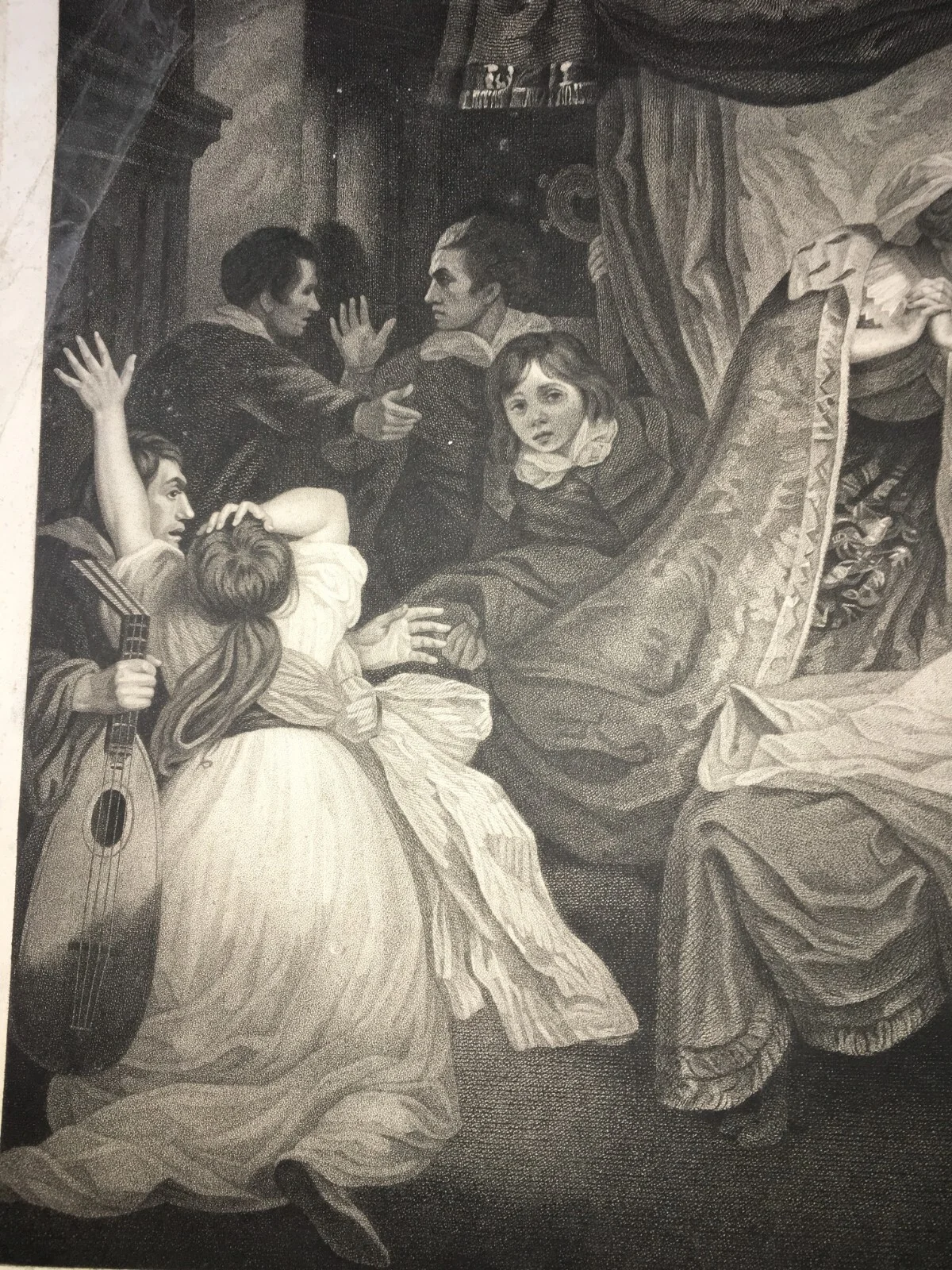
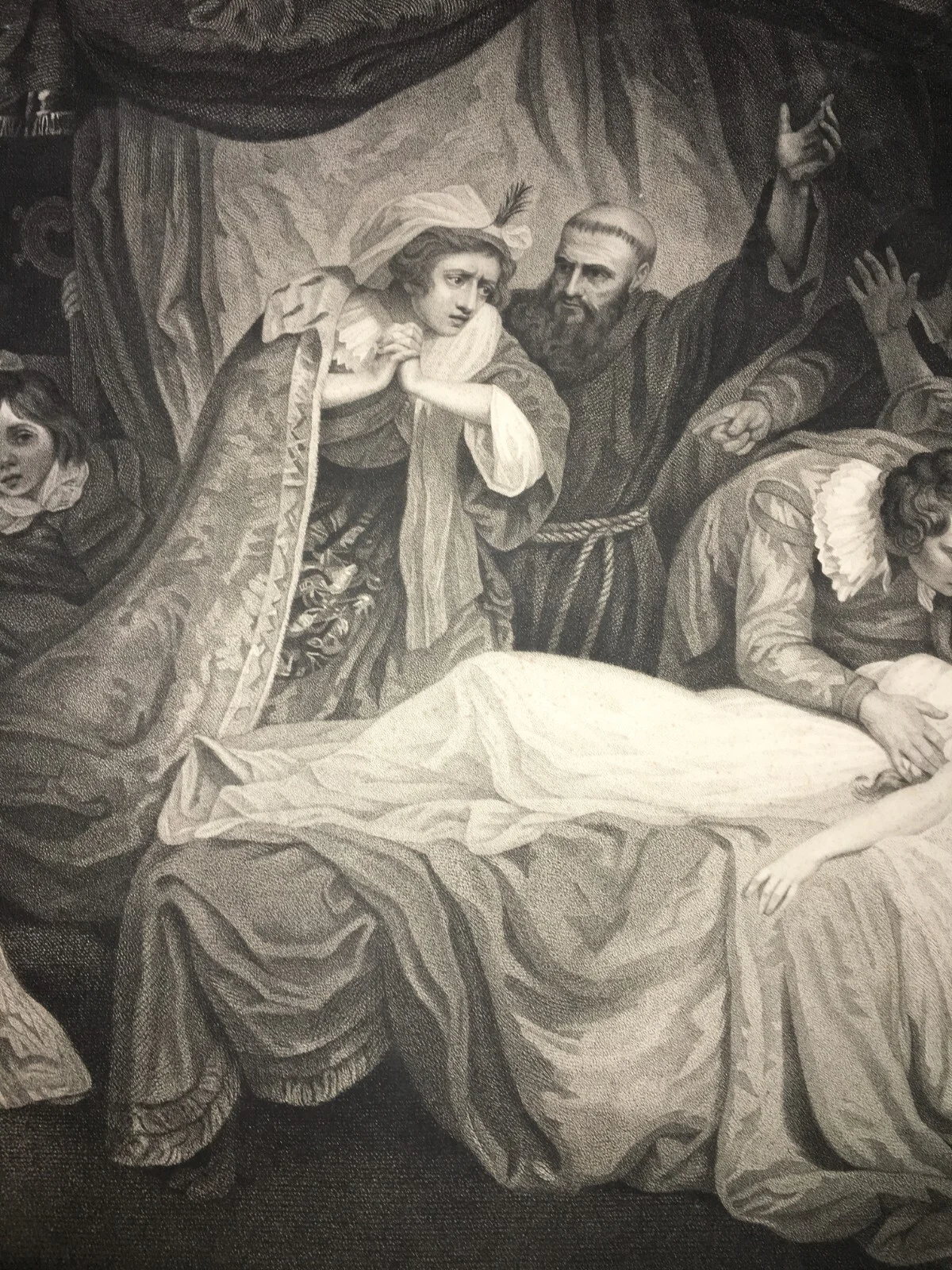
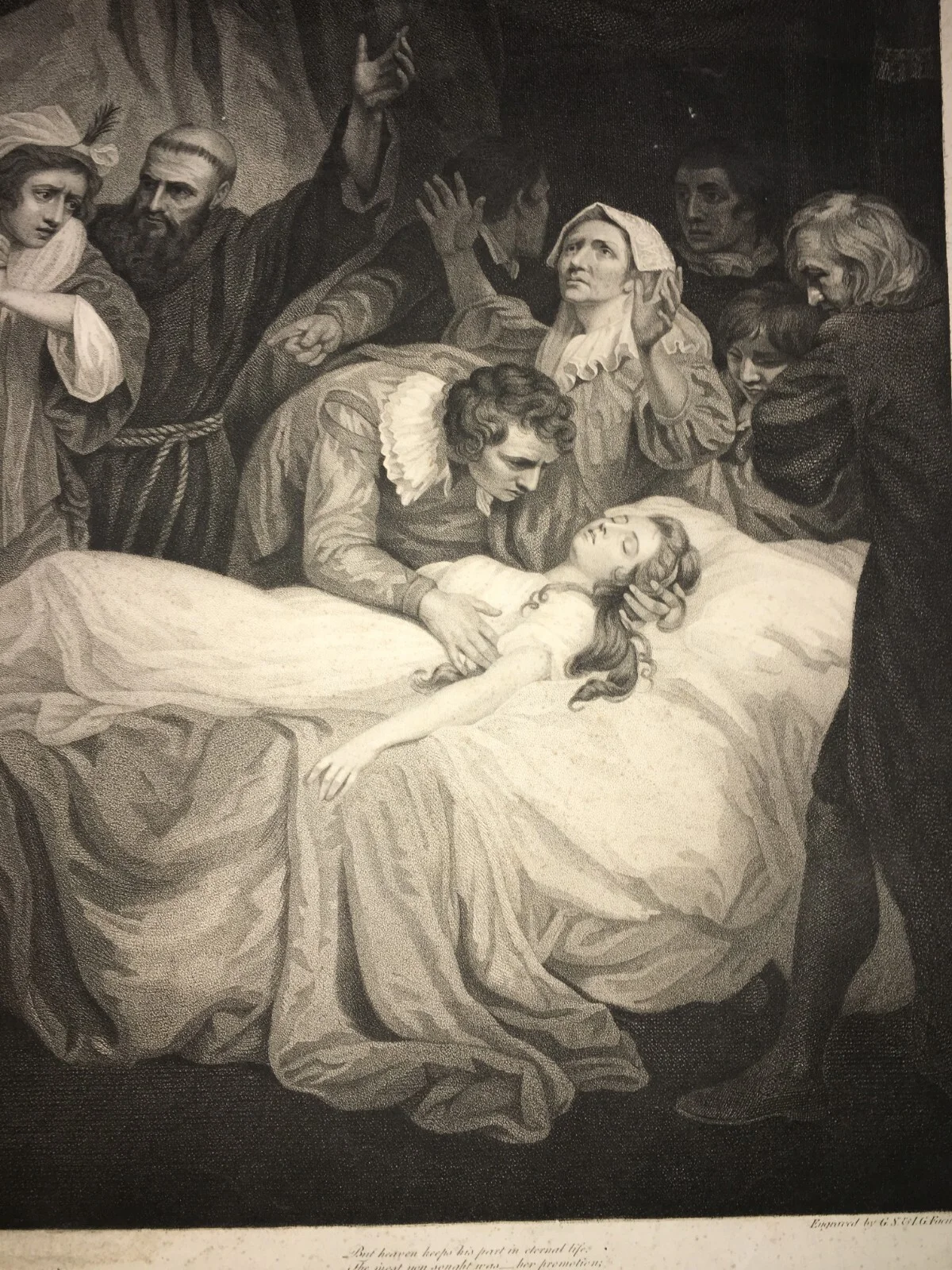
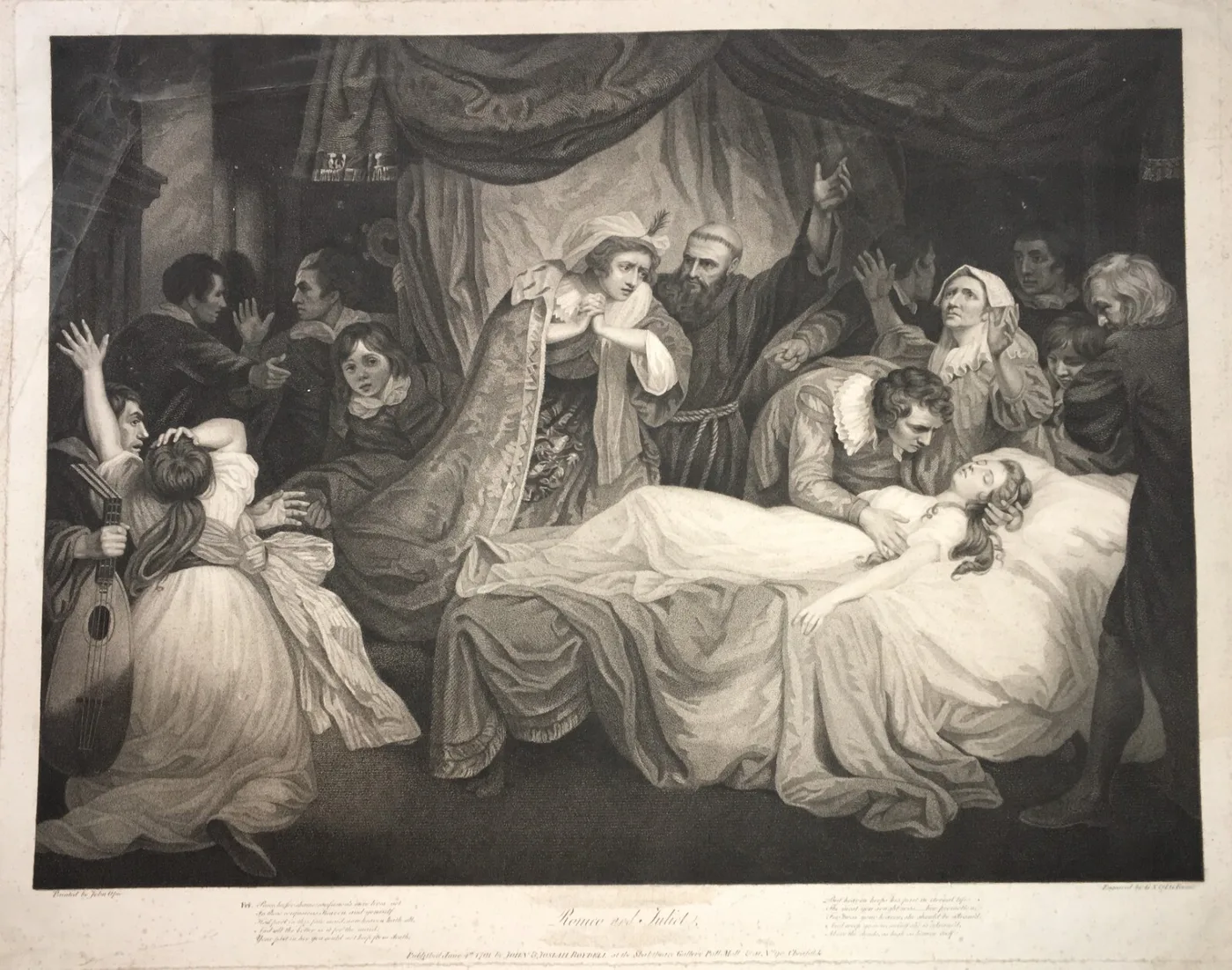
Siemiradzki Allegoria Arti Sceniche Teatro Marionette 1894

Valore stimato —108.5

Descrizione

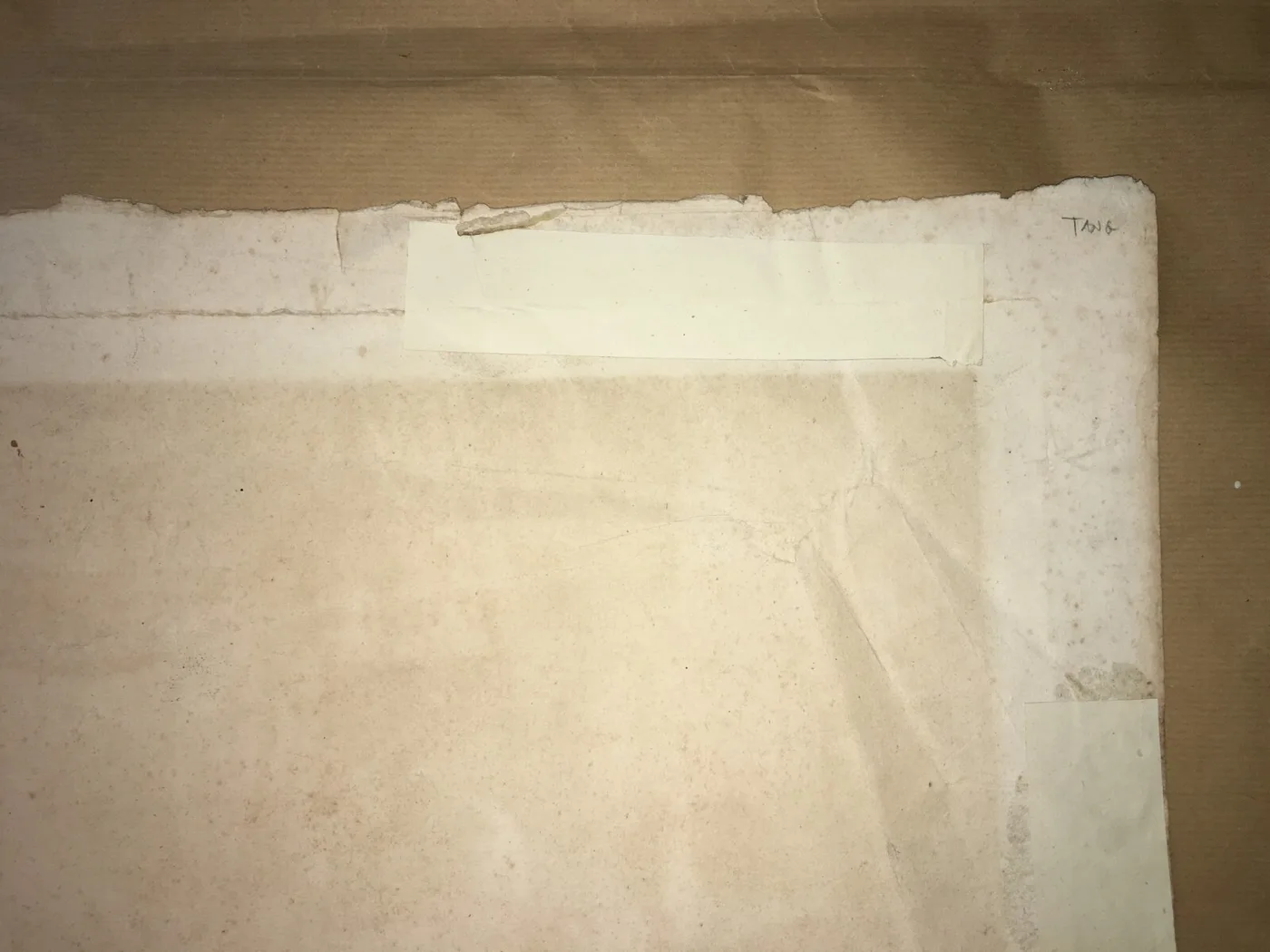
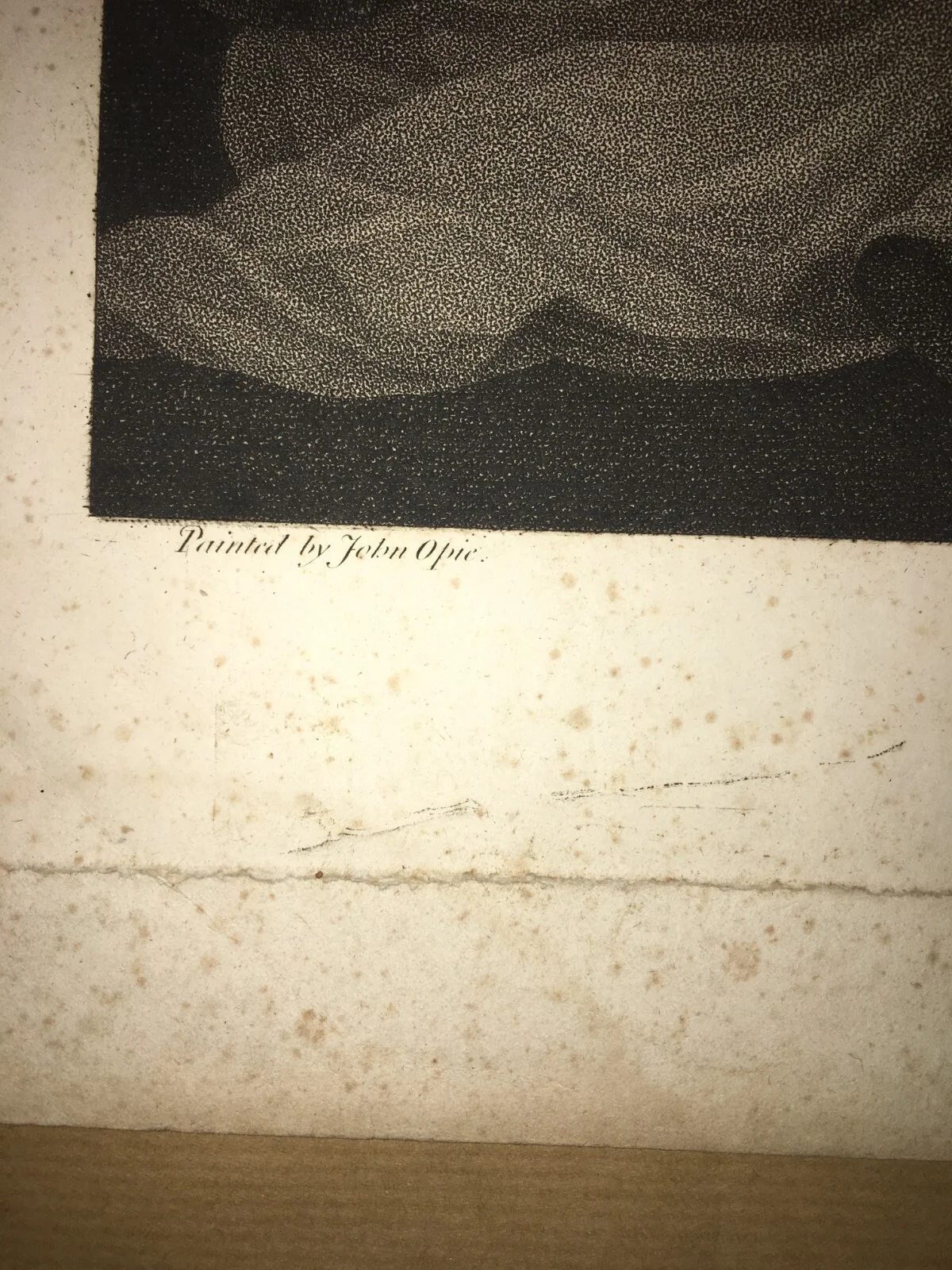
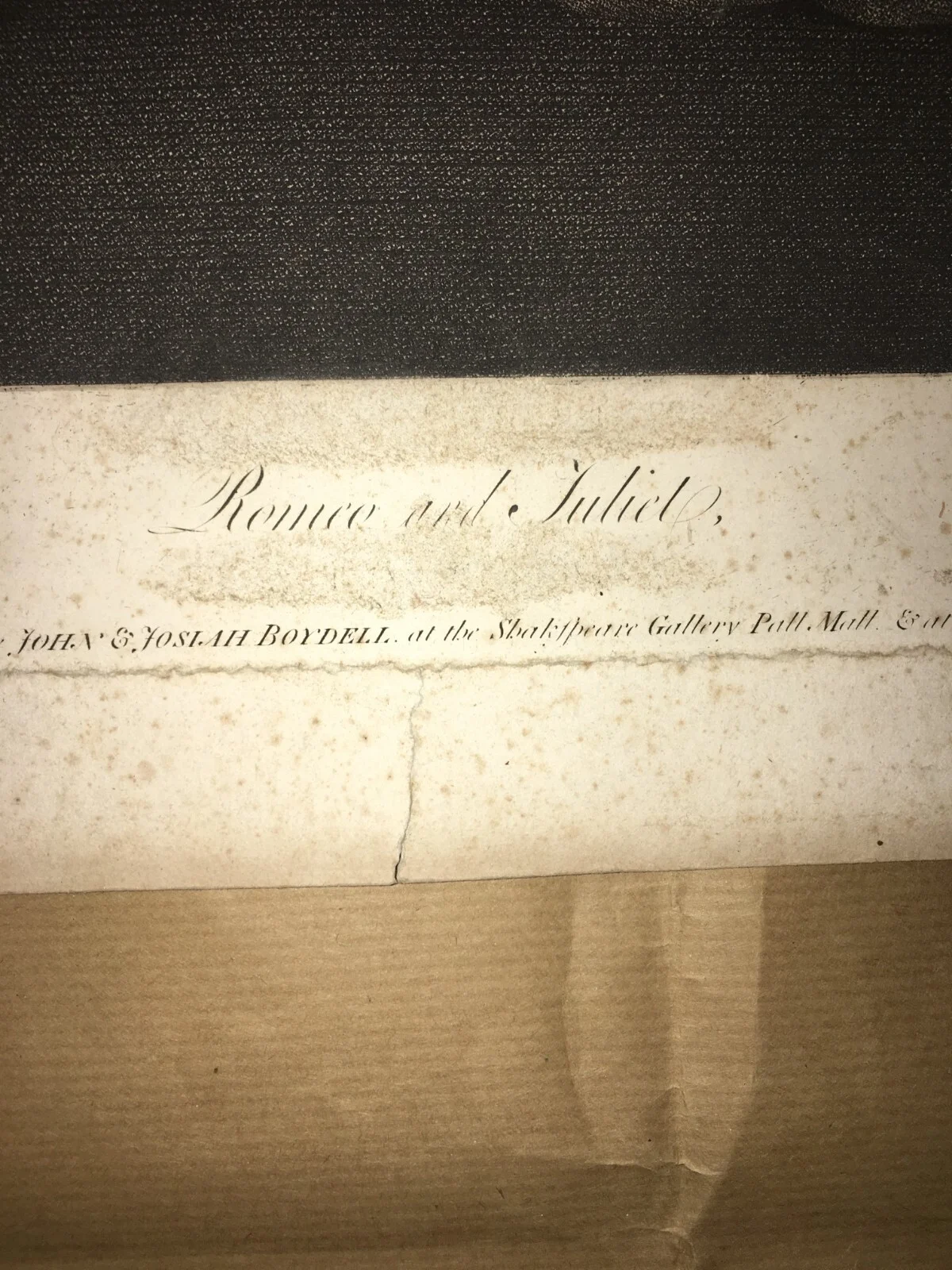
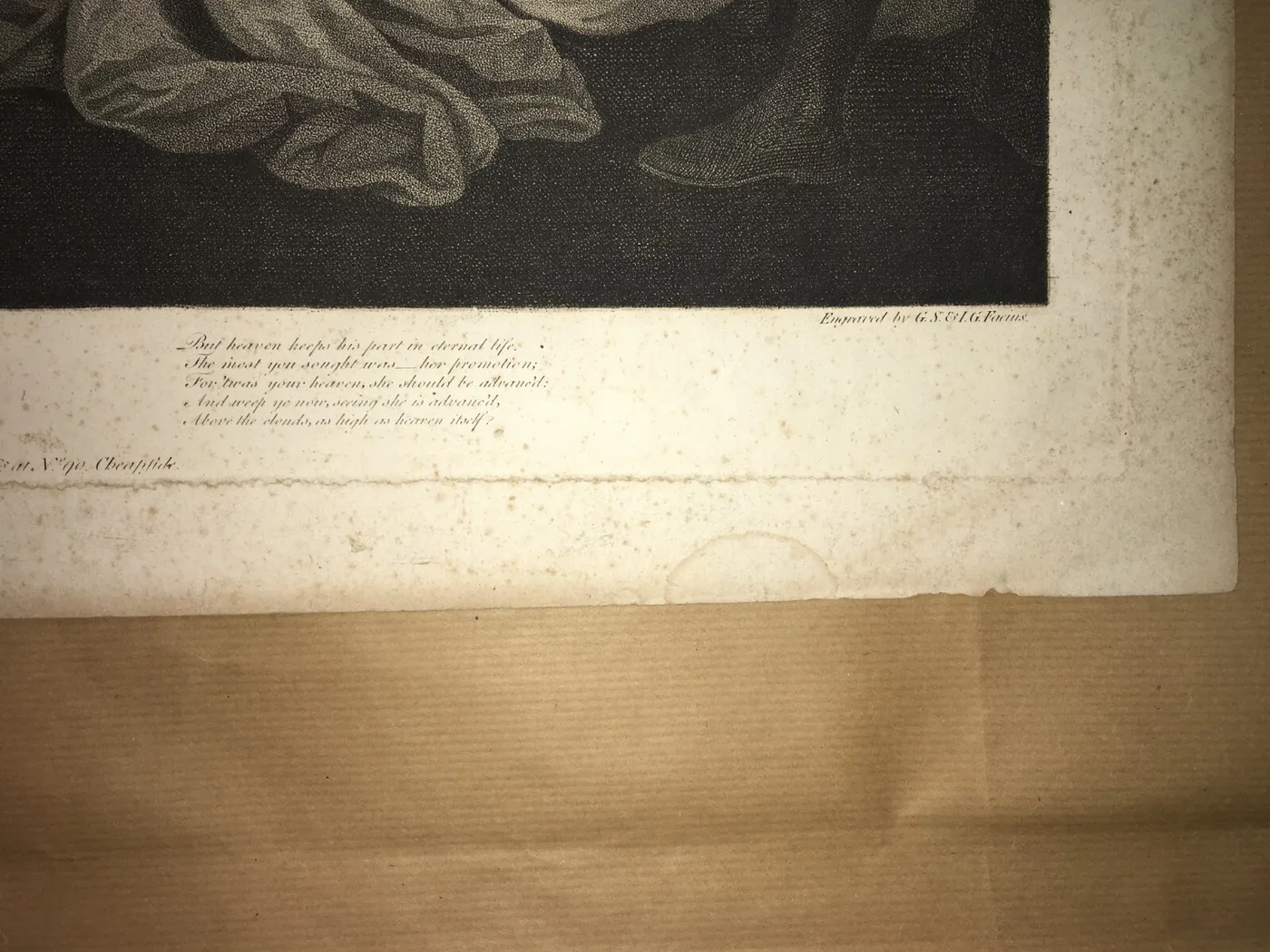
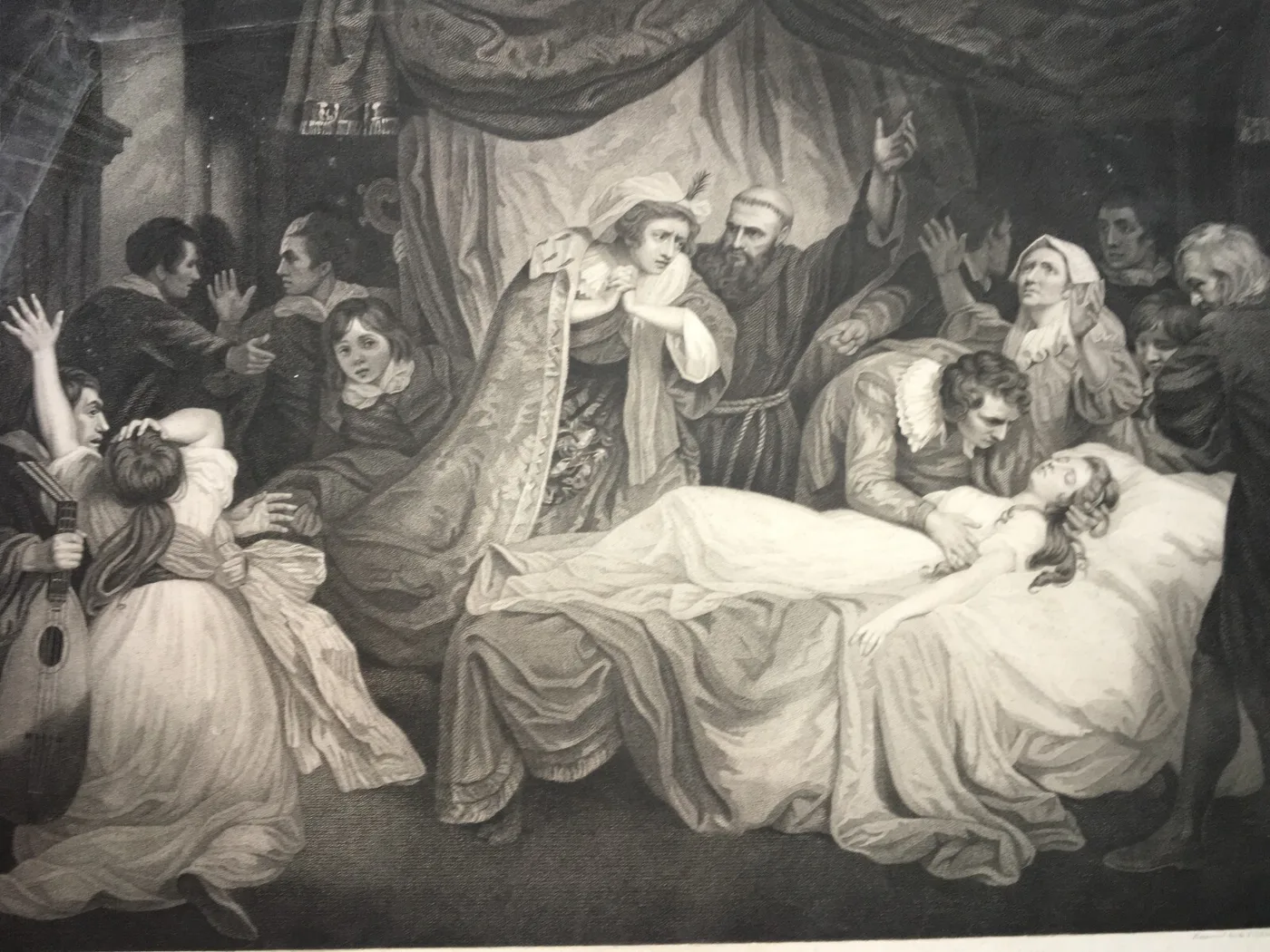
*H. Siemiradski* "Allegoria delle arti sceniche" Interessante antica edizione, bella ampia scenografica raffigurazione allegorica, con numerose figure allusive alle arti sceniche o teatrali, *con anche una scena bacchica (in basso a destra) e sensuali nudi femminili, e allegorie della cultura o letteratura o poesia (a destra si nota una donna mentre viene coronata con il lauro),* *e altra figura allegorica della musica, con in mano uno strumento musicale,* *e ancora in basso al centro una allegoria del teatro con due figure (femminile e maschile) dove quella maschile regge un filo che porta legate alcune marionette;* *la felicità mostrata dalle allegorie al centro e a destra del foglio è però contrapposta dalle scene allegoriche poste a sinistra della intera raffigurazione, e quì a sinistra troviamo allegorie delle tentazioni malvagie e della morte, con anche un angelo (allegoria di cupido o dell'amore ?) che piange su un cippo funebre su cui sono impresse scritte relative alla pace,* *e ancora una scena con un tentativo di assassinio che mostra un uomo che impugna un coltello avendo tra le braccia il corpo seminudo di una donna,...* e in tutta la scenografia mostrate numerose altre allegorie, il tutto a rappresentare il teatro della vita umana, fatto di commedie e tragedie; stampa ispirata ad una opera d'arte dell'artista H. Siemiradski, così come impresso nella didascalia in basso, e stesso nome leggibile anche nella raffigurazione in basso a destra (con anche leggibile la data 1894); misura circa cm.31,5x48,5 (la sola parte figurata, esclusi i margini bianchi maldestramente rifilati diseguali); stampa ispirata al dipinto del citato artista, ed eseguita dall'incisore il cui nome è leggibile a stampa in basso a sinistra (ma firma poco decifrabile); stampa edita all'epoca quale figura nel testo di una pubblicazione periodica culturale italiana della fine dell'800 (Scena Illustrata), e pertanto foglio con veduta impressa al recto e scritte varie impresse al verso; foglio databile presumibilmente alla fine dell'800 (1894-1895 ?). Di interesse artistico, teatrale, satirico, musicale, letterario, collezionistico, decorativo Modesta conservazione generale, segni e difetti d'uso e d'epoca, sparse fioriture e diffusa brunitura e piegature e sgualciture e strappetti e difetti vari marginali e così come visibili nelle immagini allegate; difetti parzialmente mascherabili con incorniciatura del foglio, pertanto ***stampa meritevole di essere inserita sotto passpartout ed incorniciata.*** *(le immagini allegate raffigurano alcuni particolari dell'intero foglio, eventuali ulteriori informazioni a richiesta)* *###* *dal web, wikipedia:* ***Henryk Hektor Siemiradzki** (24 October 1843 – 23 August 1902) was a [Polish](https://en.wikipedia.org/wiki/Poles "Poles") [painter](https://en.wikipedia.org/wiki/Painter "Painter"), best remembered for his monumental [Academic art](https://en.wikipedia.org/wiki/Academic_art "Academic art"). He was particularly known for his depictions of scenes from the ancient Graeco-Roman world and the [New Testament](https://en.wikipedia.org/wiki/New_Testament "New Testament"), owned by national galleries of Poland, Russia and Ukraine.[\[1\]](https://en.wikipedia.org/wiki/Henryk_Siemiradzki#cite_note-artyzm.com-1)[\[2\]](https://en.wikipedia.org/wiki/Henryk_Siemiradzki#cite_note-culture.pl-2)* *Many of his paintings depict scenes from antiquity, often the sunlit pastoral scenes or compositions presenting the lives of early Christians. He also painted biblical and historical scenes, landscapes, and portraits. His best-known works include monumental curtains for the [Lviv (Lwów) Theatre of Opera](https://en.wikipedia.org/wiki/Lviv_Theatre_of_Opera_and_Ballet "Lviv Theatre of Opera and Ballet") and for the [Juliusz Słowacki Theatre](https://en.wikipedia.org/wiki/Juliusz_S%C5%82owacki_Theatre "Juliusz Słowacki Theatre") in [Kraków](https://en.wikipedia.org/wiki/Krak%C3%B3w "Kraków")(below).* *Siemiradzki was born to a [Polish](https://en.wikipedia.org/wiki/Poles "Poles") noble [szlachta](https://en.wikipedia.org/wiki/Szlachta "Szlachta") family of an officer (since 1871 a General) of the [Imperial Russian Army](https://en.wikipedia.org/wiki/Imperial_Russian_Army "Imperial Russian Army"), Hipolit Siemiradzki, and Michalina ([née](https://en.wikipedia.org/wiki/N%C3%A9e "Née") Prószyńska)[\[3\]](https://en.wikipedia.org/wiki/Henryk_Siemiradzki#cite_note-histmag.org-3) in the village of Bilhorod (Białogród),[\[1\]](https://en.wikipedia.org/wiki/Henryk_Siemiradzki#cite_note-artyzm.com-1)[\[4\]](https://en.wikipedia.org/wiki/Henryk_Siemiradzki#cite_note-infzoliborza-4) or Novobelgorod (now Pechenegi, sources vary)[\[2\]](https://en.wikipedia.org/wiki/Henryk_Siemiradzki#cite_note-culture.pl-2) near the city of [Kharkov](https://en.wikipedia.org/wiki/Kharkov "Kharkov") in the [Russian Empire](https://en.wikipedia.org/wiki/Russian_Empire "Russian Empire"), where his father's regiment was stationed.[\[5\]](https://en.wikipedia.org/wiki/Henryk_Siemiradzki#cite_note-5)The family had origins in [Radom](https://en.wikipedia.org/wiki/Radom "Radom") land and derived its name from the village of Siemiradz. One of the branches settled in the late 17th century near [Navahrudak](https://en.wikipedia.org/wiki/Navahrudak "Navahrudak") (Nowogródek). Henryk's grandfather held the post of [podkomorzy](https://en.wikipedia.org/wiki/Podkomorzy "Podkomorzy") in Nowogródek[powiat](https://en.wikipedia.org/wiki/Powiat "Powiat"). His parents were close friends with [Adam Mickiewicz](https://en.wikipedia.org/wiki/Adam_Mickiewicz "Adam Mickiewicz")'s family. He studied at Kharkov [Gymnasium](https://en.wikipedia.org/wiki/Gymnasium_\(school\) "Gymnasium (school)") where he first learned painting under the local school teacher, D.I. Besperchy, former student of [Karl Briullov](https://en.wikipedia.org/wiki/Karl_Briullov "Karl Briullov"). He entered the Physics-Mathematics School of [Kharkov University](https://en.wikipedia.org/wiki/Kharkov_University "Kharkov University") and studied [natural sciences](https://en.wikipedia.org/wiki/Natural_sciences "Natural sciences") there with great interest, but also continued to paint.[\[3\]](https://en.wikipedia.org/wiki/Henryk_Siemiradzki#cite_note-histmag.org-3)* [](https://en.wikipedia.org/wiki/File:Siemiradzki-Nimfa.jpg)[](https://en.wikipedia.org/wiki/File:Siemiradzki-Nimfa.jpg "Enlarge")*Nymph* *After graduating from the University with the degree of [Kandidat](https://en.wikipedia.org/wiki/Kandidat "Kandidat") he abandoned his scientific career and moved to [Saint Petersburg](https://en.wikipedia.org/wiki/Saint_Petersburg "Saint Petersburg") to study painting at the[Imperial Academy of Arts](https://en.wikipedia.org/wiki/Imperial_Academy_of_Arts "Imperial Academy of Arts") in the years 1864–1870. Upon his graduation he was awarded a gold medal. In 1870–1871 he studied under [Karl von Piloty](https://en.wikipedia.org/wiki/Karl_von_Piloty "Karl von Piloty") in [Munich](https://en.wikipedia.org/wiki/Munich "Munich") on a grant from the Academy. In 1872 he moved to [Rome](https://en.wikipedia.org/wiki/Rome "Rome") and with time, built a studio there on Via Gaeta, while spending summers at his estate in Strzałkowo near[Częstochowa](https://en.wikipedia.org/wiki/Cz%C4%99stochowa "Częstochowa") in [Poland](https://en.wikipedia.org/wiki/Poland "Poland").* *In 1873 he received the title of Academician of the [Imperial Academy of Arts](https://en.wikipedia.org/wiki/Imperial_Academy_of_Arts "Imperial Academy of Arts") for his painting Christ and a Sinner, based on a verse from [Tolstoy](https://en.wikipedia.org/wiki/Aleksey_Konstantinovich_Tolstoy "Aleksey Konstantinovich Tolstoy"). In 1878 he received the French [National Order of the Legion of Honour](https://en.wikipedia.org/wiki/Legion_of_Honour "Legion of Honour") and a Gold Medal of the [Paris World's fair](https://en.wikipedia.org/wiki/Exposition_Universelle_\(1878\) "Exposition Universelle (1878)") for the painting Flower vase. In 1876–1879 Siemiradzki worked on frescoes for the [Cathedral of Christ the Saviour (Moscow)](https://en.wikipedia.org/wiki/Cathedral_of_Christ_the_Saviour_\(Moscow\) "Cathedral of Christ the Saviour (Moscow)") among his other large-scale projects. In 1879 he offered one of his best-known works, the enormousPochodnie Nerona ([Nero](https://en.wikipedia.org/wiki/Nero "Nero")'s torches), painted around 1876, to the newly formed [Polish National Museum](https://en.wikipedia.org/wiki/National_Museum,_Krak%C3%B3w "National Museum, Kraków"). The artwork is on display at the Siemiradzki Room of the [Sukiennice Museum](https://en.wikipedia.org/wiki/Sukiennice_Museum "Sukiennice Museum") in the [Kraków Old Town](https://en.wikipedia.org/wiki/Krak%C3%B3w_Old_Town "Kraków Old Town"), the most popular branch of the museum today. Around 1893 Siemiradzki worked on two large paintings for the [State Historical Museum](https://en.wikipedia.org/wiki/State_Historical_Museum "State Historical Museum") (Moscow) and in 1894 produced his monumental curtain for the [Juliusz Słowacki](https://en.wikipedia.org/wiki/Juliusz_S%C5%82owacki "Juliusz Słowacki") Theatre in Kraków.[\[2\]](https://en.wikipedia.org/wiki/Henryk_Siemiradzki#cite_note-culture.pl-2)* *He died in [Strzałkowo](https://en.wikipedia.org/wiki/Strza%C5%82k%C3%B3w,_%C5%81%C3%B3d%C5%BA_Voivodeship "Strzałków, Łódź Voivodeship") in 1902 and was buried originally in [Warsaw](https://en.wikipedia.org/wiki/Warsaw "Warsaw"), but later his remains were moved to the national Pantheon on [Skałka](https://en.wikipedia.org/wiki/Ska%C5%82ka "Skałka") in [Kraków](https://en.wikipedia.org/wiki/Krak%C3%B3w "Kraków").* *Henryk Siemiradzki's large-scale canvasses, influenced by the French [Académie des Beaux-Arts](https://en.wikipedia.org/wiki/Acad%C3%A9mie_des_Beaux-Arts "Académie des Beaux-Arts"), are on display at the national museums of Poland, Russia and Ukraine; notably, at the [Sukiennice Museum](https://en.wikipedia.org/wiki/Sukiennice_Museum "Sukiennice Museum"), the [National Museum, Poznań](https://en.wikipedia.org/wiki/National_Museum,_Pozna%C5%84 "National Museum, Poznań"), [Lviv National Art Gallery](https://en.wikipedia.org/wiki/Lviv_National_Art_Gallery "Lviv National Art Gallery"), [Tretyakov Gallery](https://en.wikipedia.org/wiki/Tretyakov_Gallery "Tretyakov Gallery") and others.* Galleria fotografica![](https://img2.jpegbay.com/gallery/004949270/1_f.jpg) ![](https://img2.jpegbay.com/gallery/004949270/2_f.jpg) ![](https://img2.jpegbay.com/gallery/004949270/3_f.jpg) ![](https://jpegbay.com/gallery/004949270-.html#1)

Oggetti simili