Van Espen Opera Omnia Canonica 1732 Diritto Canonico Lovanii
Valore stimato —€419.3
Descrizione
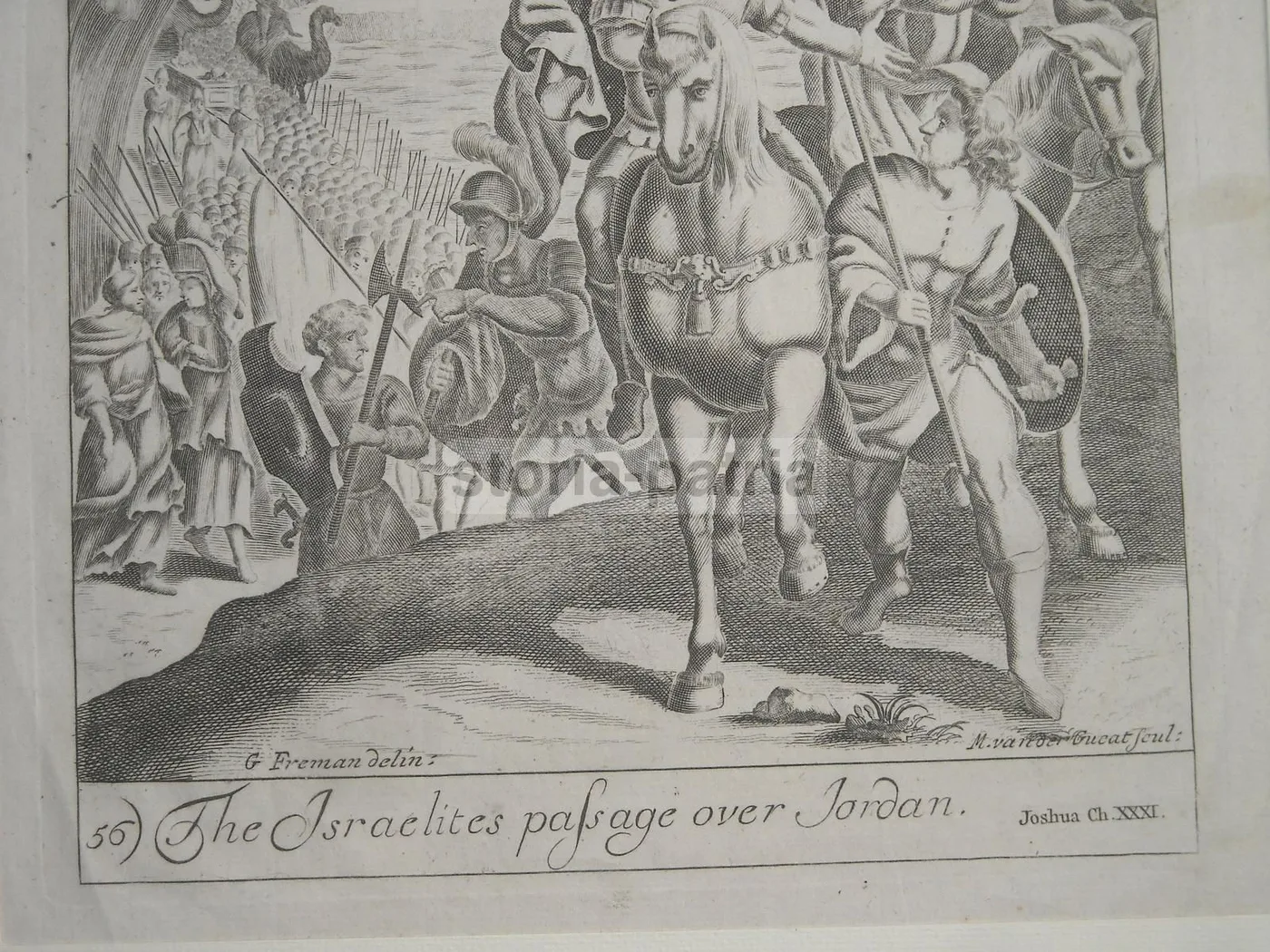
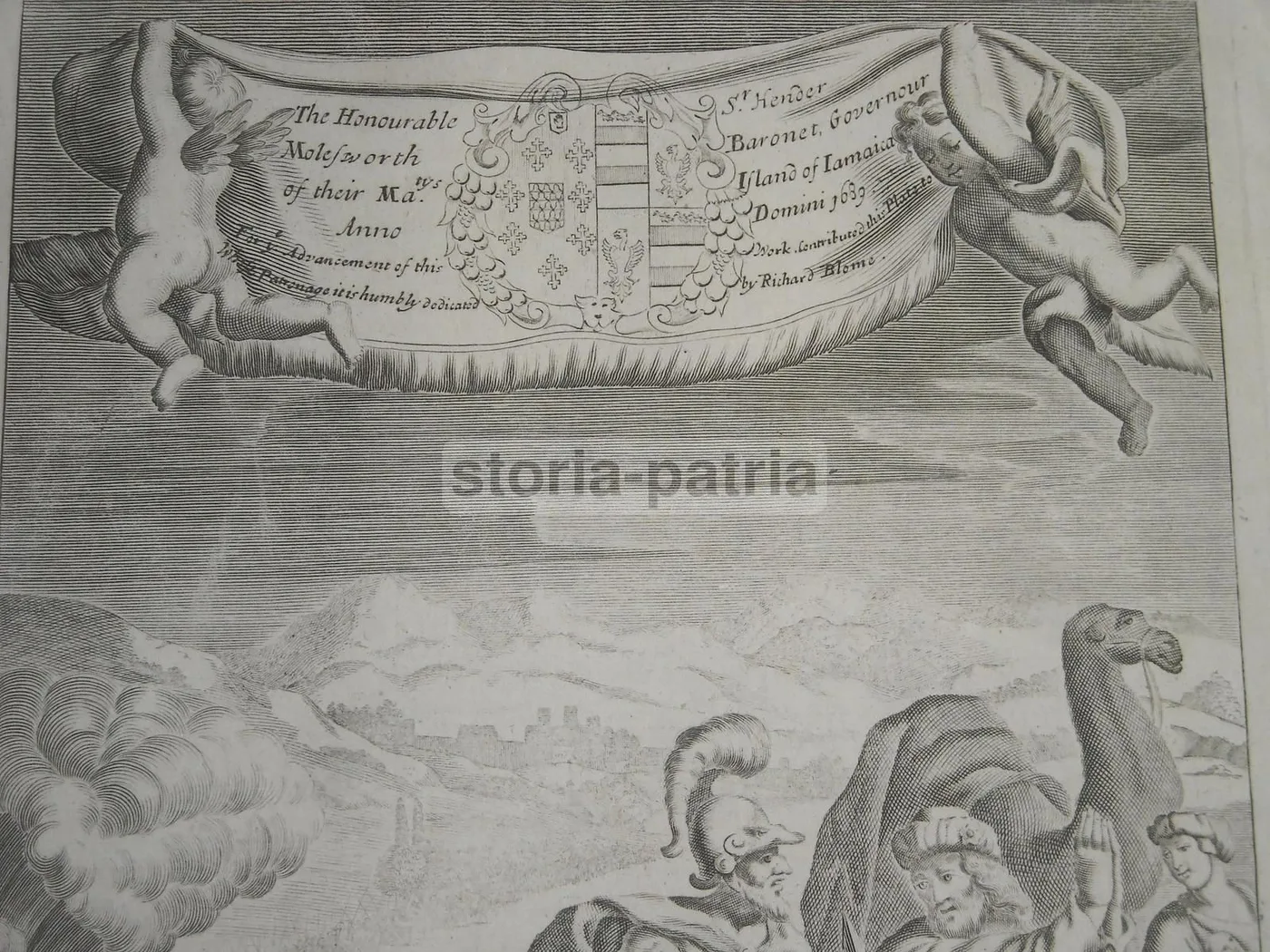
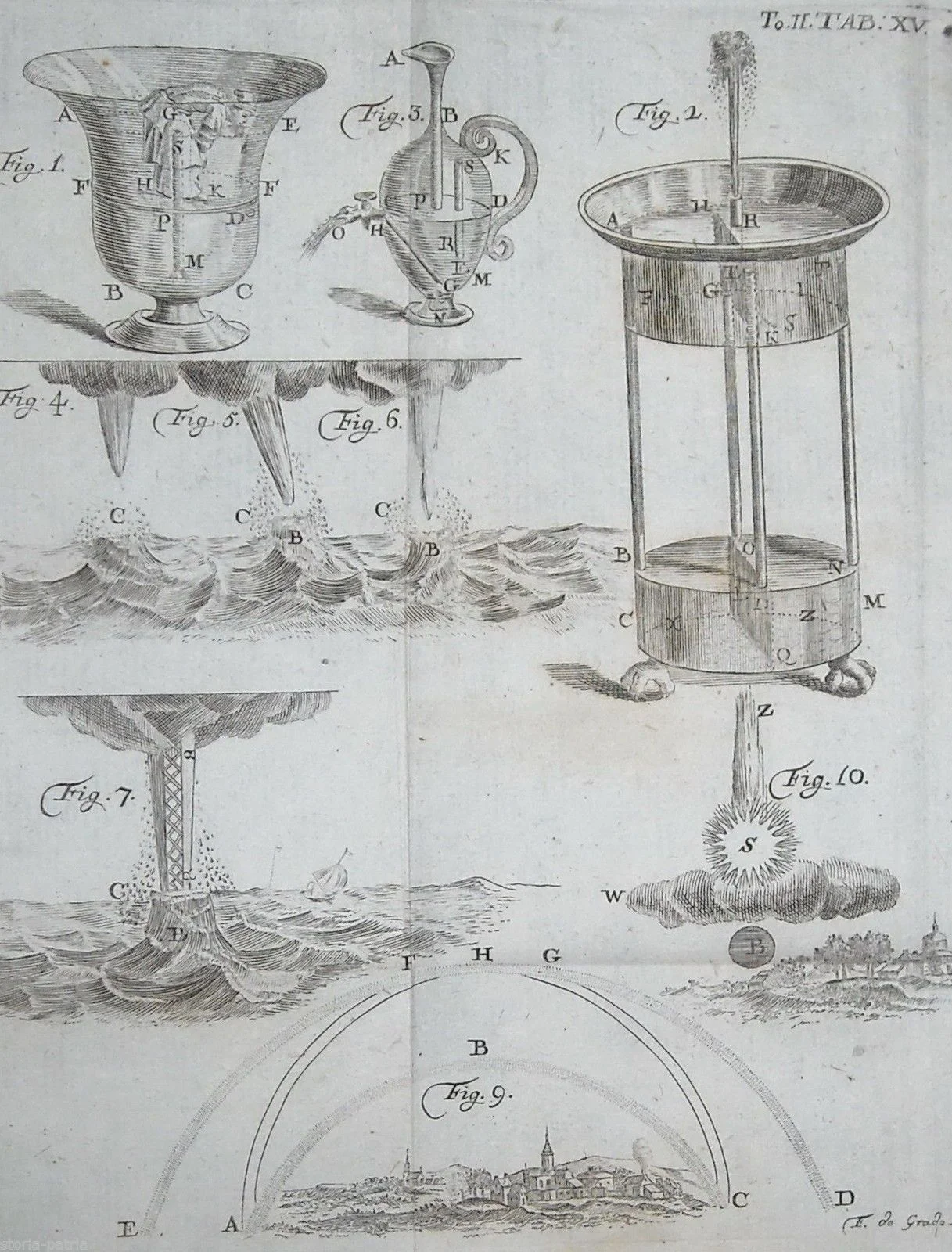
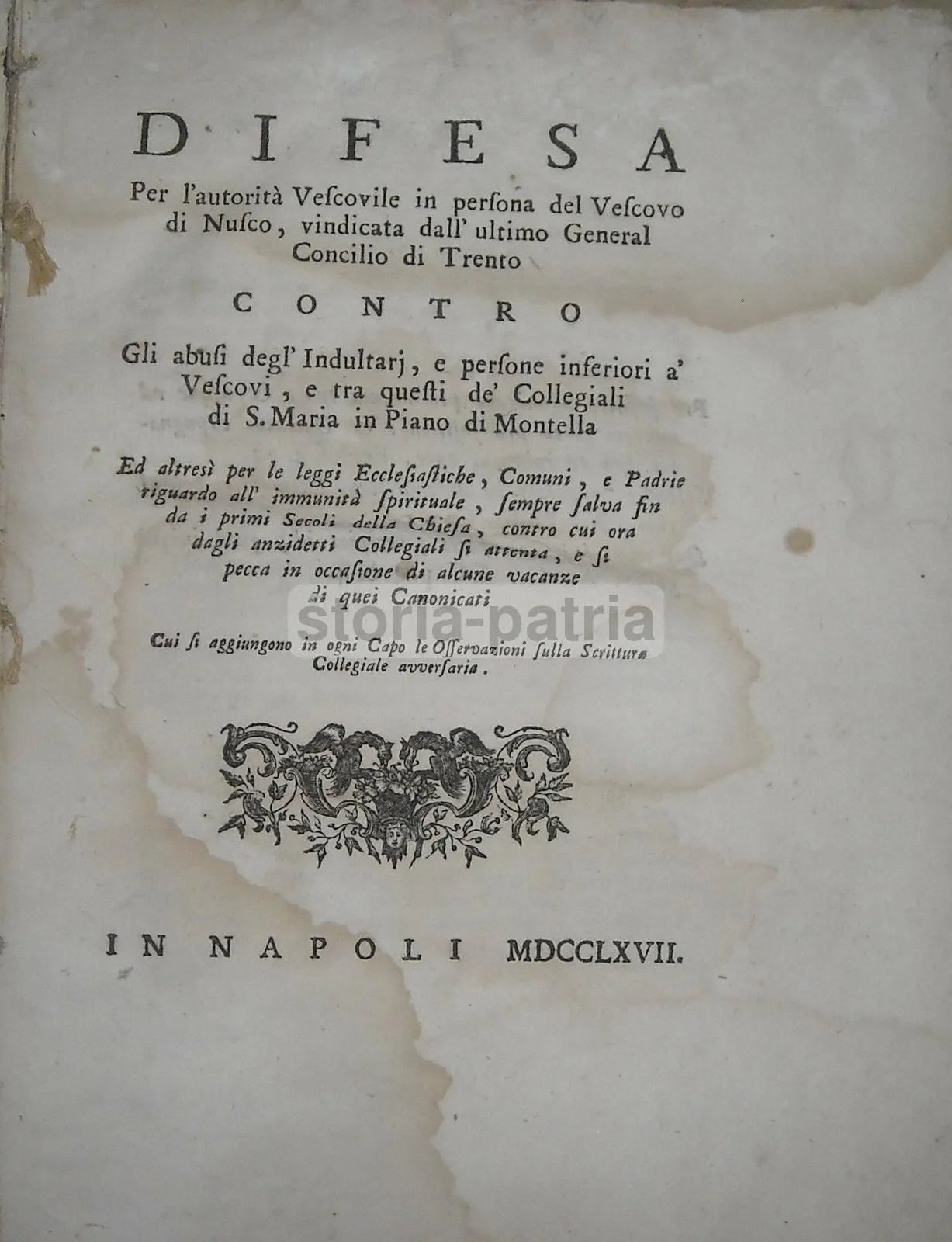
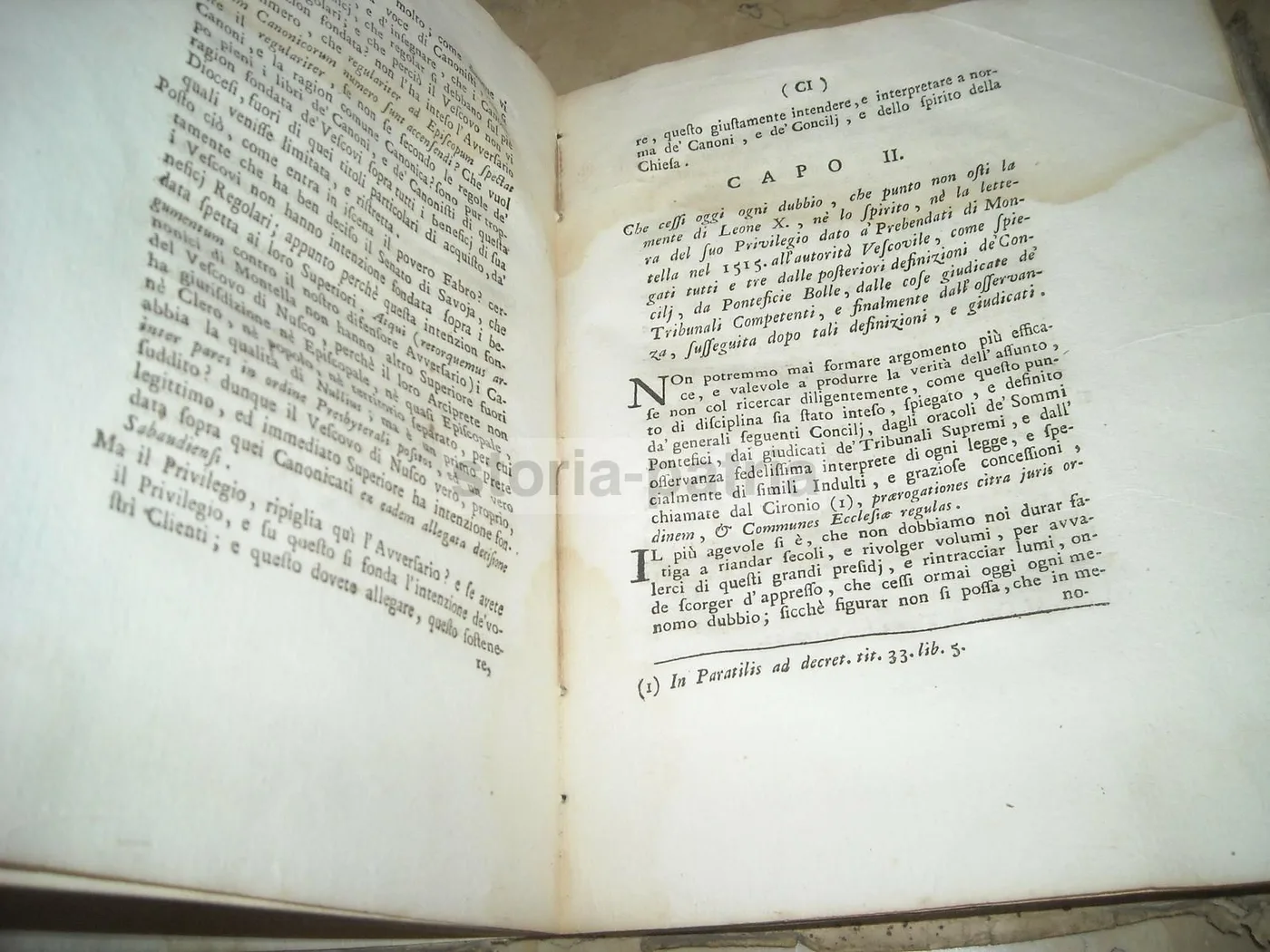
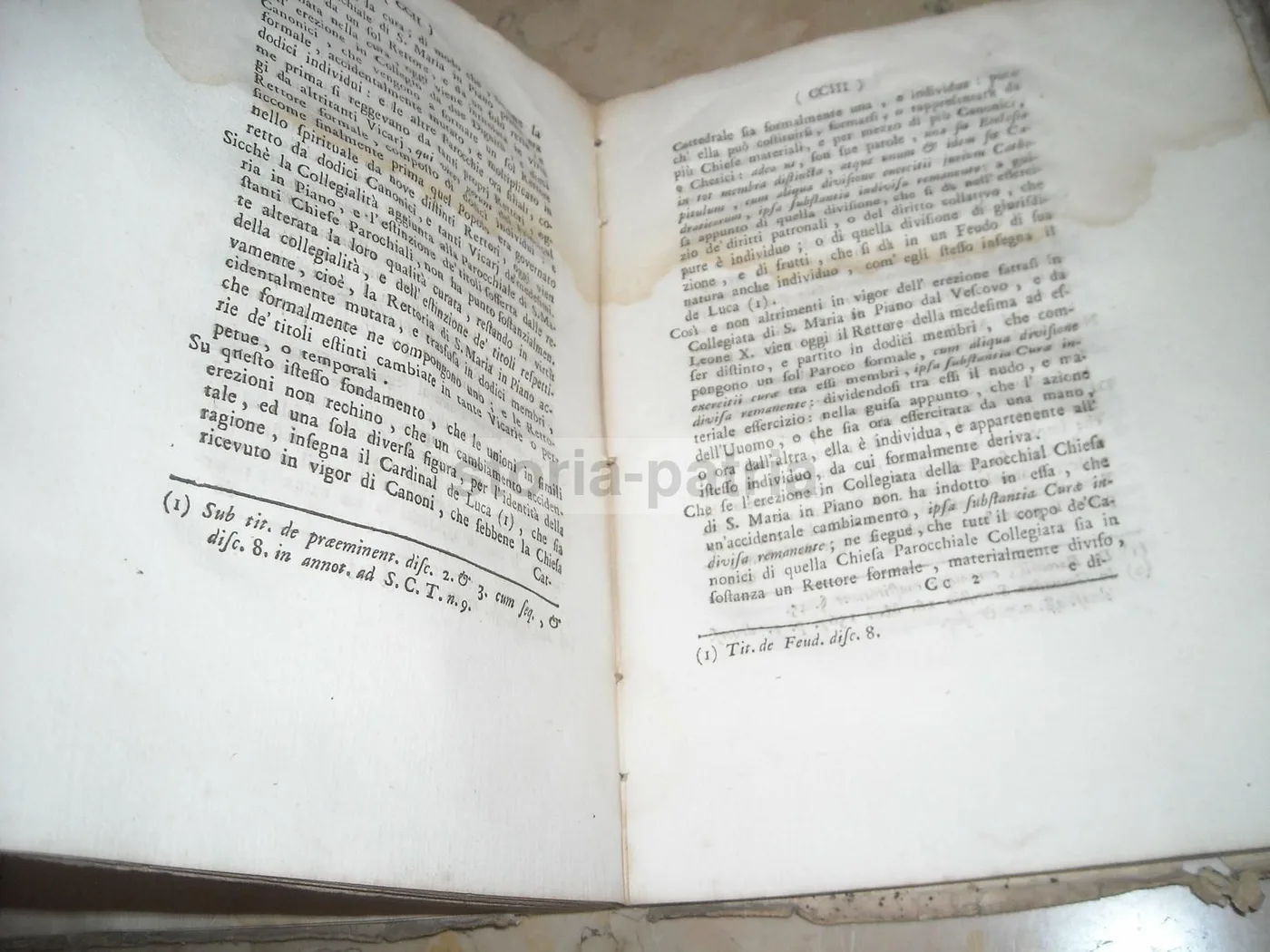
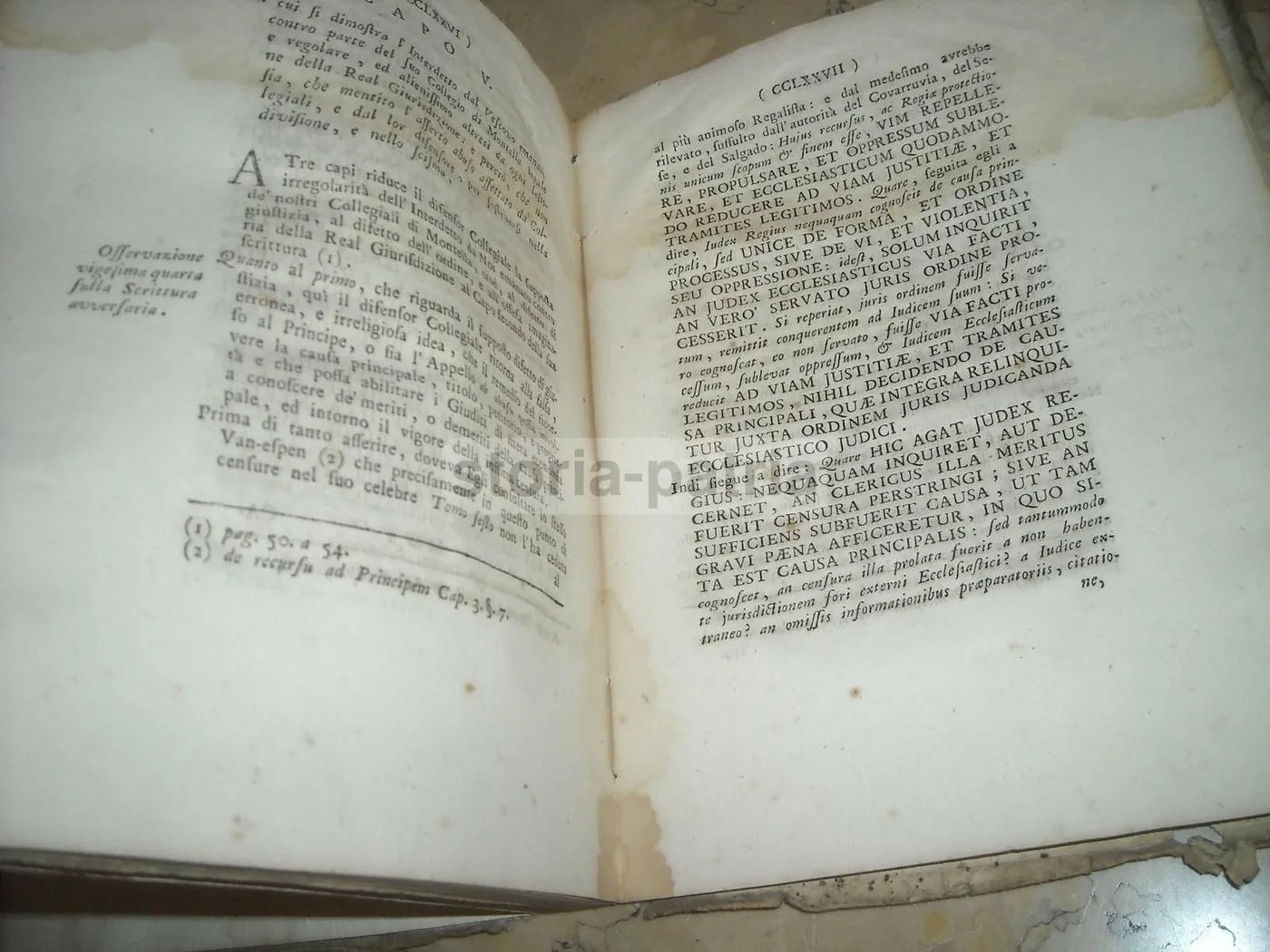
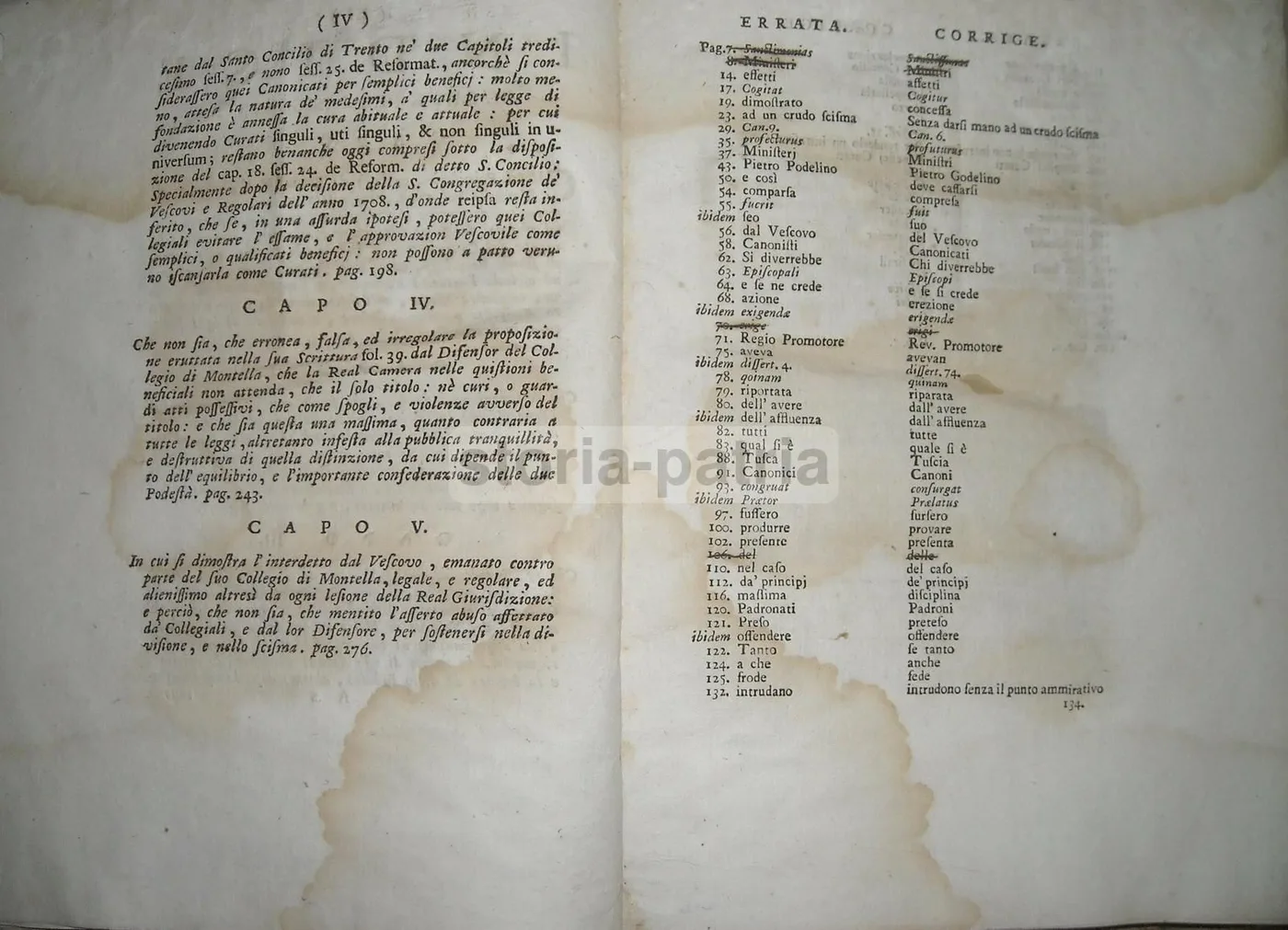
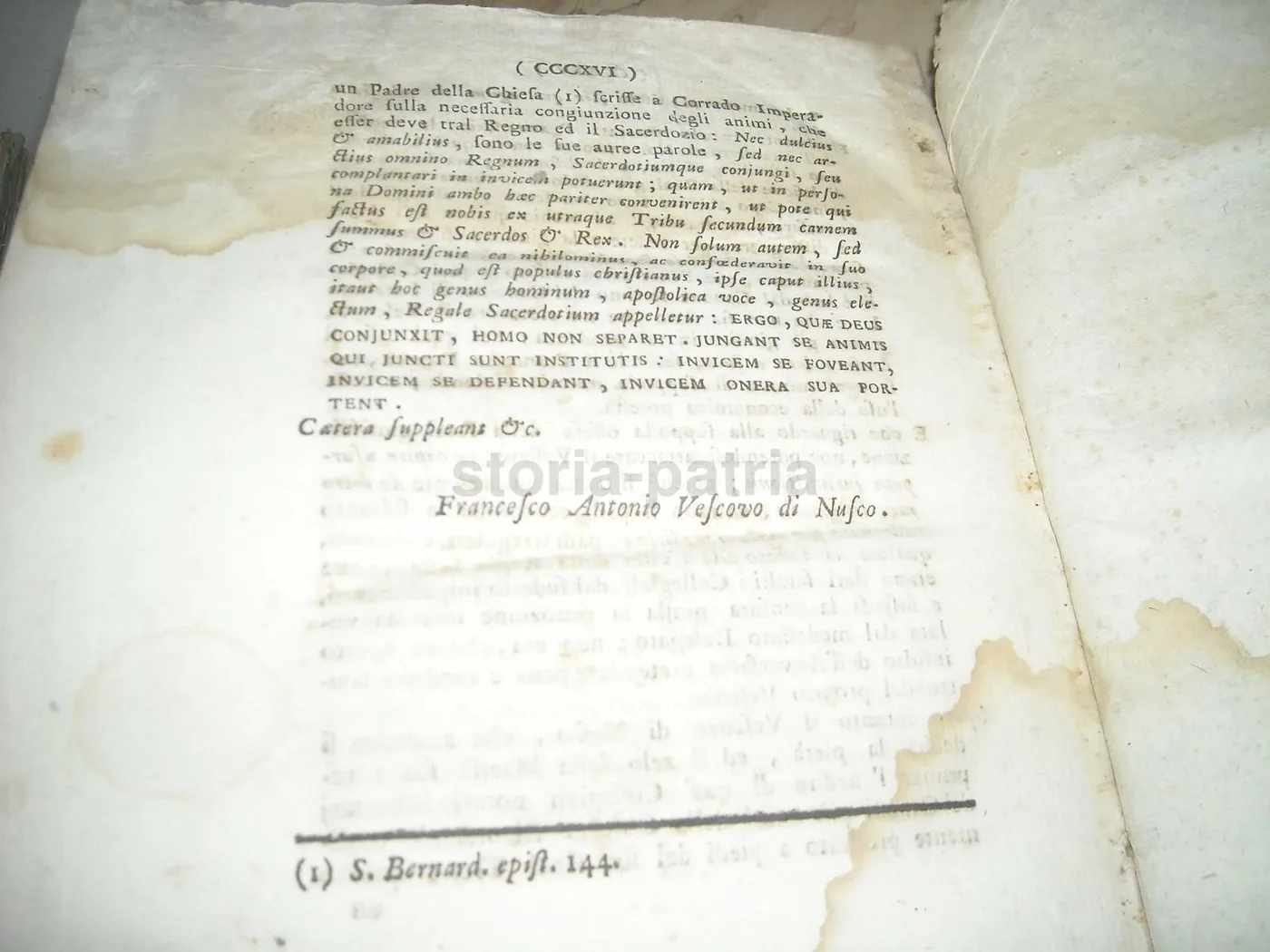
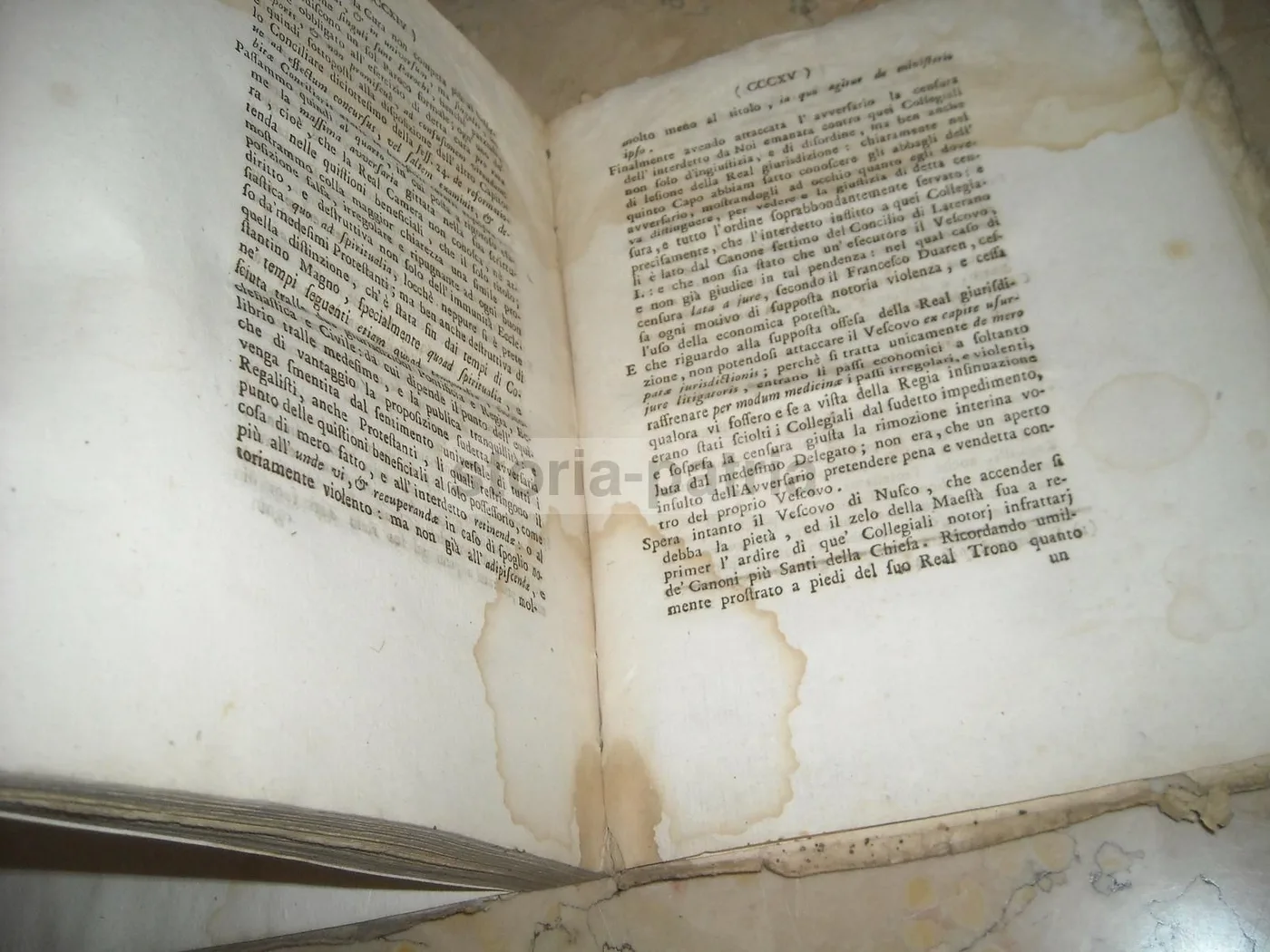
Zegeri Bernardi van Espen ... Operum .... *Completens Juris Ecclesiastici Universi* *....* ... Lovanii, Sumptibus Societatis, 1732 Cm. 39, pp. 328+630; legatura d'epoca in piena pergamena (difetti) Interessante antica e rara edizione, contenente una raccolta di opere del celebre giuriconsulto, edizione concepita per riunire in sei parti tutte le opere di diritto canonico (Opera Omnia Canonica), di esse qui disponibili le uniche prime due parti, ognuna di esse in volume a sè stante, autonomo e con proprio frontespizio. Impossibile ovviamente poter dare una sintesi dell'ampia trattazione, complessivamente circa mille pagine fittissime e in latino, ma solo estrapolando dagli indici segnaliamo la presenza di scritti relativi a: *vita e onestà dei chierici* *i pastori e i loro vice* *i custodi di chiese e parrocchie* *chiese e canoniche collegiate* *le cattedrali* *le sedi vacanti* *elezione e nomina dei vescovi e loro consacrazione* *autorità e poteri e impegni dei vescovi* *le visite vescovili* *i sinodi* *legati e nunzi apostolici* *le congregazioni dei cardinali* *regolari e noviziato* *religiosi e simonia* *monaci e monasteri* *il voto di obbedienza* *il voto della povertà e della castità* *priori e abbati dei monasteri* *....* *essenza dei sacramenti* *il battesimo, l'eucarestia, la celebrazione della messa, la penitenza, le indulgenze, l'estrema unzione, ...* *alcune specie di irregolarità...per bigamia, per crimine o omicidio,...* *dei seminari* *sposalizi e matrimonio, loro impedimento, dispensa matrimoniale, divorzio e seconde nozze, ...* *edificazione e ricostruzione della chiesa* *celebrazione delle feste, spettacoli, dispensa dal lavoro, ...* *il diritto di patronato (Juris Patronatus)* *de peculio clericorum, decime e oblazioni, ....* *immunità degli ecclesistici* *amministrazione e alienazione dei beni ecclesiastici* *ospedali ed altri pii luoghi* *le sepolture, luoghi di sepoltura, parrocchie, ...* .....  *Molto belle le vignette presenti sui frontespizi dei due volumi, vignette allegoriche e con stemmi araldici, entrambe incise in xilografia,* *e belli anche gli altri fregi o testatine o capilettera o finalini, tutti molto belli artistici e figurati.* !~~_35.JPG) Opera di interesse giuridico ecclesiastico specialistico bibliografico  Modesta conservazione generale, segni e difetti d'uso e d'epoca, diffuse fioriture e ossidazioni, diffusi segni di tarli con anche estese gallerie che interessano prevalentemente marginalmente molte pagine di entrambi i due volumi, con interessamento pure della legatura, ma forse per un'azione repulsiva dell'inchiostro di stampa l'azione degli antichi tarli si è limitata alle parti bianche marginali toccando solo occasionalmente lo scritto; opera eventualmente meritevole di restauro, anche se comunque complessivamente ben leggibile, piecevole e fascinosa sia nel suo vissuto sia per la bella grafica (con frontespizio impresso in rosso e nero) e i numerosi fregi xilografici, come pure affascinante per le dimensioni dei volumi in folio, ancora con le legature originali in piena pergamena (con difetti e rotture al dorso e fori di tarlo sparsi in particolare al secondo volume), pergamena il cui intrinseco pregio già giustifica il costo dei due volumi; volumi utili per gli argomenti autonomi, ma anche per eventuale scompletazione. *(le immagini allegate mostrano alcuni particolari dell'opera, a richiesta eventuali ulteriori informazioni)* *#####* # [](https://en.wikipedia.org/wiki/Zeger_Bernhard_van_Espen#searchInput) ***Zeger Bernhard van Espen** (Espenius) (born at* [*Leuven*](https://en.wikipedia.org/wiki/Leuven "Leuven")*, 9 July 1646; died at* [*Amersfoort*](https://en.wikipedia.org/wiki/Amersfoort "Amersfoort")*,* [*Netherlands*](https://en.wikipedia.org/wiki/Netherlands "Netherlands")*, 2 October 1728) was a Belgian* [*canonist*](https://en.wikipedia.org/wiki/Canonist "Canonist")*.* *He completed his higher studies at* [*Leuven*](https://en.wikipedia.org/wiki/Leuven "Leuven") *(French: Louvain), became priest in 1673, and* [*doctor of civil and canon law*](https://en.wikipedia.org/wiki/Doctor_of_civil_and_canon_law "Doctor of civil and canon law") *in 1675. He soon began to teach canon law at the* [*Catholic University of Leuven*](https://en.wikipedia.org/wiki/Catholic_University_of_Leuven "Catholic University of Leuven") *where he was obliged to lecture only for six weeks during the summer vacation; the professor might explain one or other important chapter of the decretals, at his choice. He never accepted any other chair at the university, and he resigned even this position in order to devote himself entirely to study.* *The* [*Jansenist*](https://en.wikipedia.org/wiki/Jansenist "Jansenist") *quarrels led to Van Espen's ruin. On being consulted by the Jansenists of Holland with regard to the ordination of the Jansenist* [*Bishop of Utrecht*](https://en.wikipedia.org/wiki/Bishop_of_Utrecht "Bishop of Utrecht")*,* [*Cornelius Steenoven*](https://en.wikipedia.org/w/index.php?title=Cornelius_Steenoven&action=edit&redlink=1 "Cornelius Steenoven (page does not exist)")*, he pronounced in favour of this ordination, which had been performed without the authorization of the* [*Holy See*](https://en.wikipedia.org/wiki/Holy_See "Holy See")*. An attempt has been made to justify Van Espen's conduct in this matter, on the ground that he merely declared that episcopal ordination performed by a single bishop was valid. This was not the whole question, nor was it indeed the principal question, viz. to determine whether an episcopal ordination, performed without the pope's consent, was admissible.* *His action in this matter and his Jansenist doctrines brought about his suspension a divinis by the* [*Bishop of Mechlin*](https://en.wikipedia.org/w/index.php?title=Bishop_of_Mechlin&action=edit&redlink=1 "Bishop of Mechlin (page does not exist)")*. The latter summoned him to make a declaration of orthodox faith. At the order of the civil power, the University of Leuven condemned and deprived (1728) Van Espen of his university functions.* *In the meantime he fled, and took refuge first at* [*Maastricht*](https://en.wikipedia.org/wiki/Maastricht "Maastricht")*, and afterwards at Amersfoort, where he found protection in the Jansenist community, and where he died. The* [*Augustinian*](https://en.wikipedia.org/wiki/Augustinian "Augustinian") [*Bernardus Désirant*](https://en.wikipedia.org/w/index.php?title=Bernardus_D%C3%A9sirant&action=edit&redlink=1 "Bernardus Désirant (page does not exist)") *(1656-1725), professor at the University of Leuven, is accused of having fabricated false documents in the controversy with Van Espen (the "Forgery of Louvain"). Désirant was condemned by the academical authorities and banished forever from his native country.* *Van Espen was a lucid and clarifying expositor of the discipline of the ancient Church. His work Jus canonicum universum was a huge treatise, arguing that the Catholic Church was fundamentally conciliar[\[1\]](https://en.wikipedia.org/wiki/Zeger_Bernhard_van_Espen#cite_note-0). The author is accused, not without reason, of having borrowed considerably from the works of his predecessors, notably from* [*Louis Thomassin*](https://en.wikipedia.org/wiki/Louis_Thomassin "Louis Thomassin")*.* *He collected the most recent legislative decisions of the Church and discussed them with judgment. He had also the merit of showing with precision the special law of* [*Belgium*](https://en.wikipedia.org/wiki/Belgium "Belgium")*.* [*Pope Benedict XIV*](https://en.wikipedia.org/wiki/Pope_Benedict_XIV "Pope Benedict XIV") *recognized his authority in this matter.* *On the other hand he was a strenuous defender of the* [*Gallican*](https://en.wikipedia.org/wiki/Gallican "Gallican") *theories, on the right of religious authority and of the civil power. It may be added, however, that he exalted and combated in turn all power, even the civil power. He exalted the power of the bishops in order to lessen that of the* [*religious orders*](https://en.wikipedia.org/wiki/Religious_orders "Religious orders")*, and the rights of an extinct chapter in order to combat the powers of the Pope. He gained for himself unpleasant notoriety in the Jansenist conflicts, by denying the importance of the famous distinction between right and fact with regard to the doctrine of* [*Cornelius Jansen*](https://en.wikipedia.org/wiki/Cornelius_Jansen "Cornelius Jansen")*; he declared that it was of little consequence to admit that Jansen had taught the propositions condemned by the Bull* [*Unigenitus*](https://en.wikipedia.org/wiki/Unigenitus "Unigenitus") *(1713) provided the doctrine itself was rejected.* *The best edition of the works of Van Espen, all of which are on the Index, is that published in four volumes at Louvain, 1753. A fifth volume, "Supplementum ad varias collectiones operum", was published at Brussels in 1768, and contains numerous biographical details.(dal web)*