Opera Omnia John Selden Vol II Tomo II Fine 600 Mare Clausum Epigrafi
Valore stimato —€1004.33
Descrizione
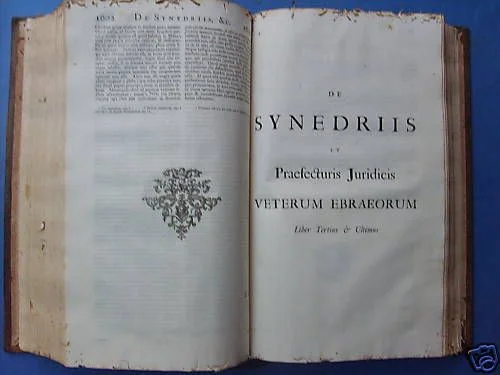
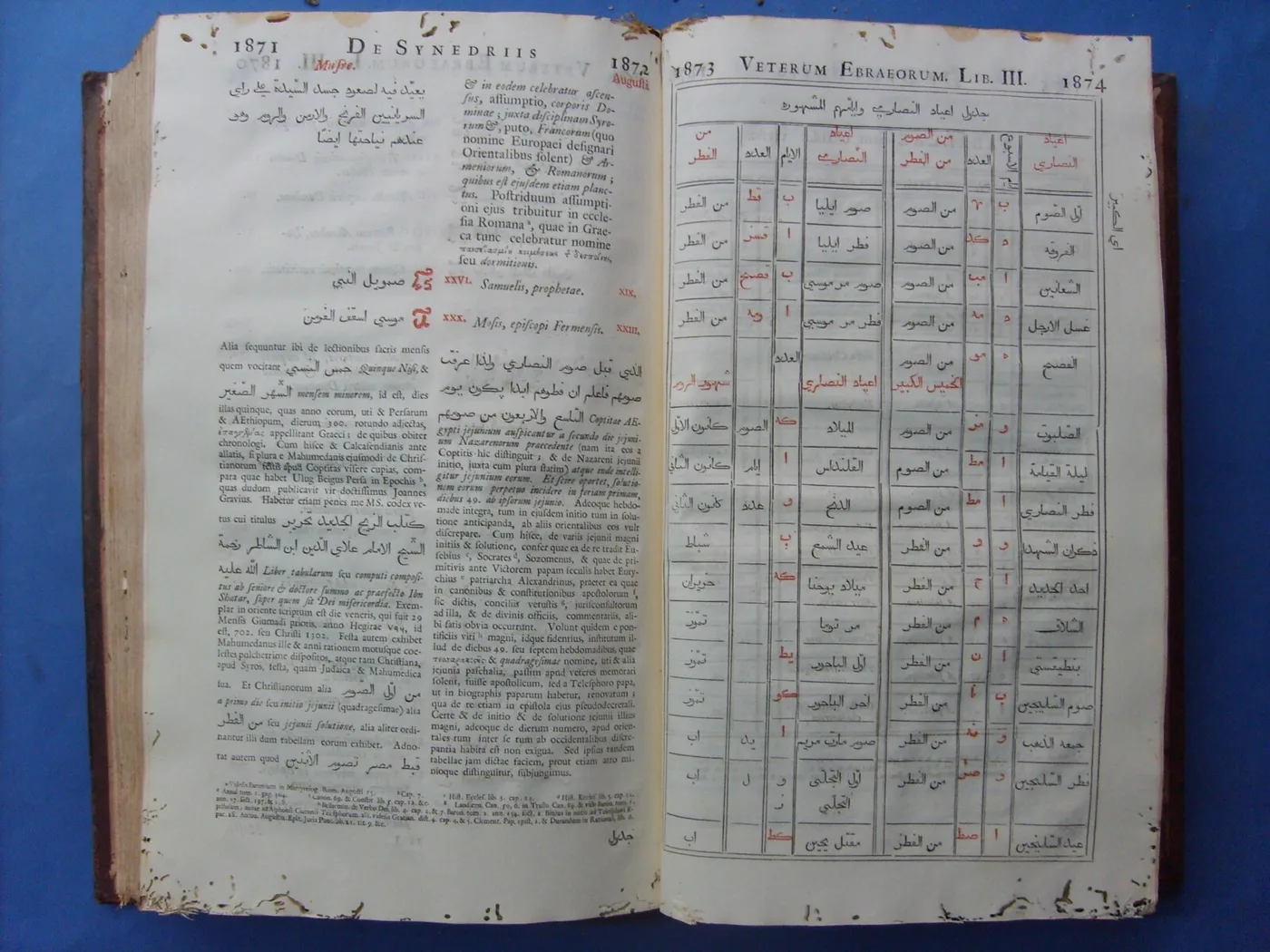
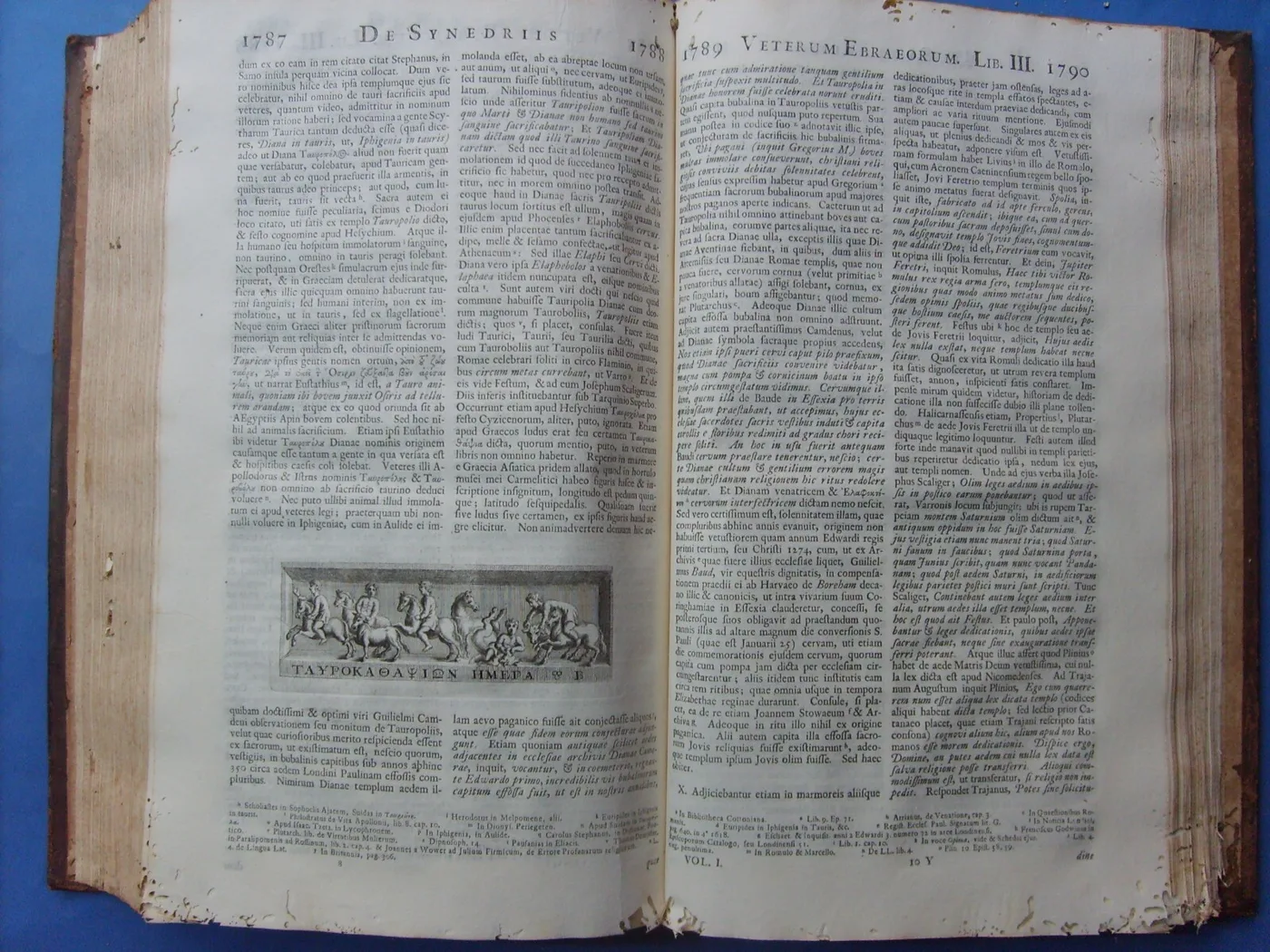
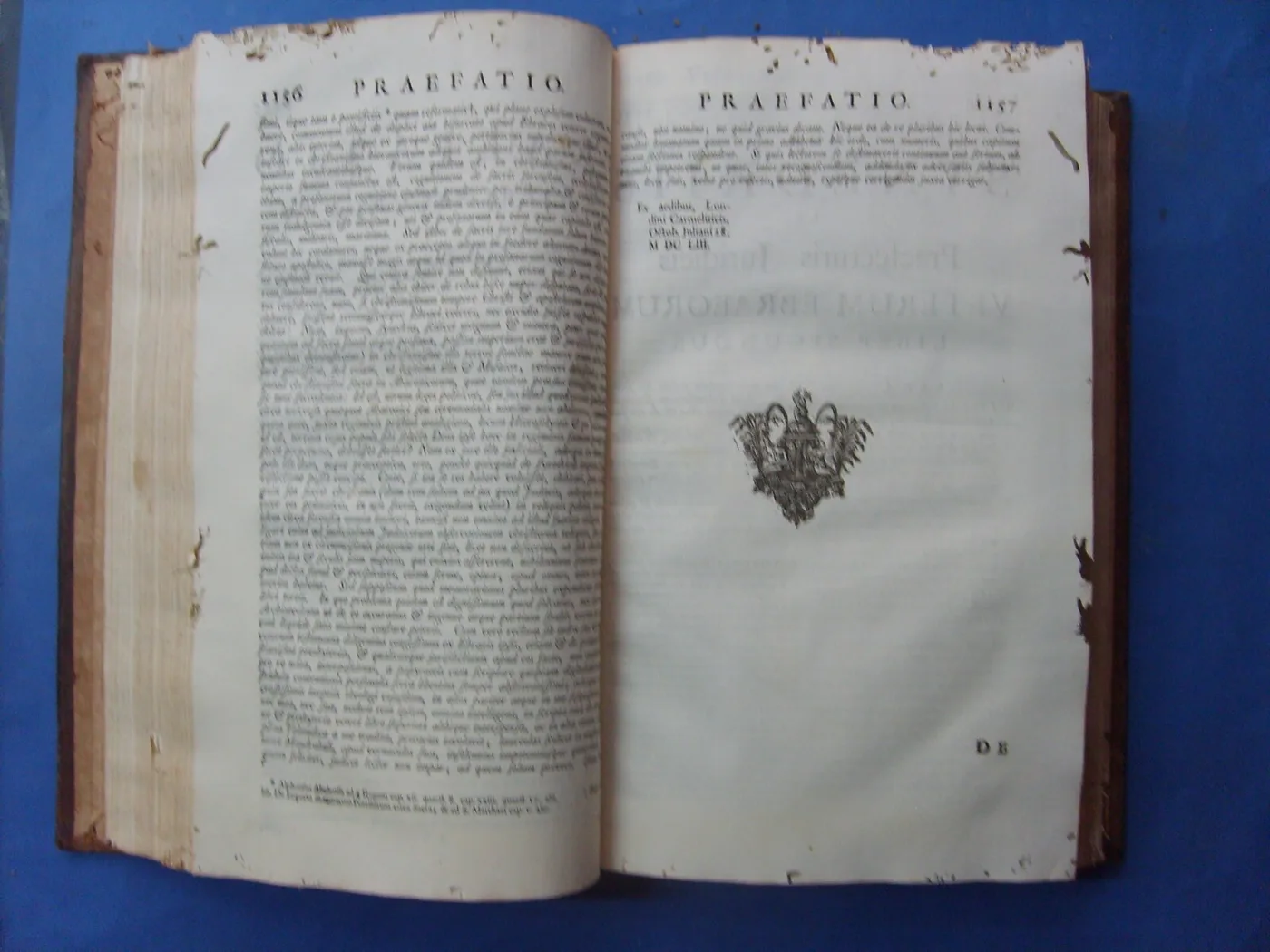
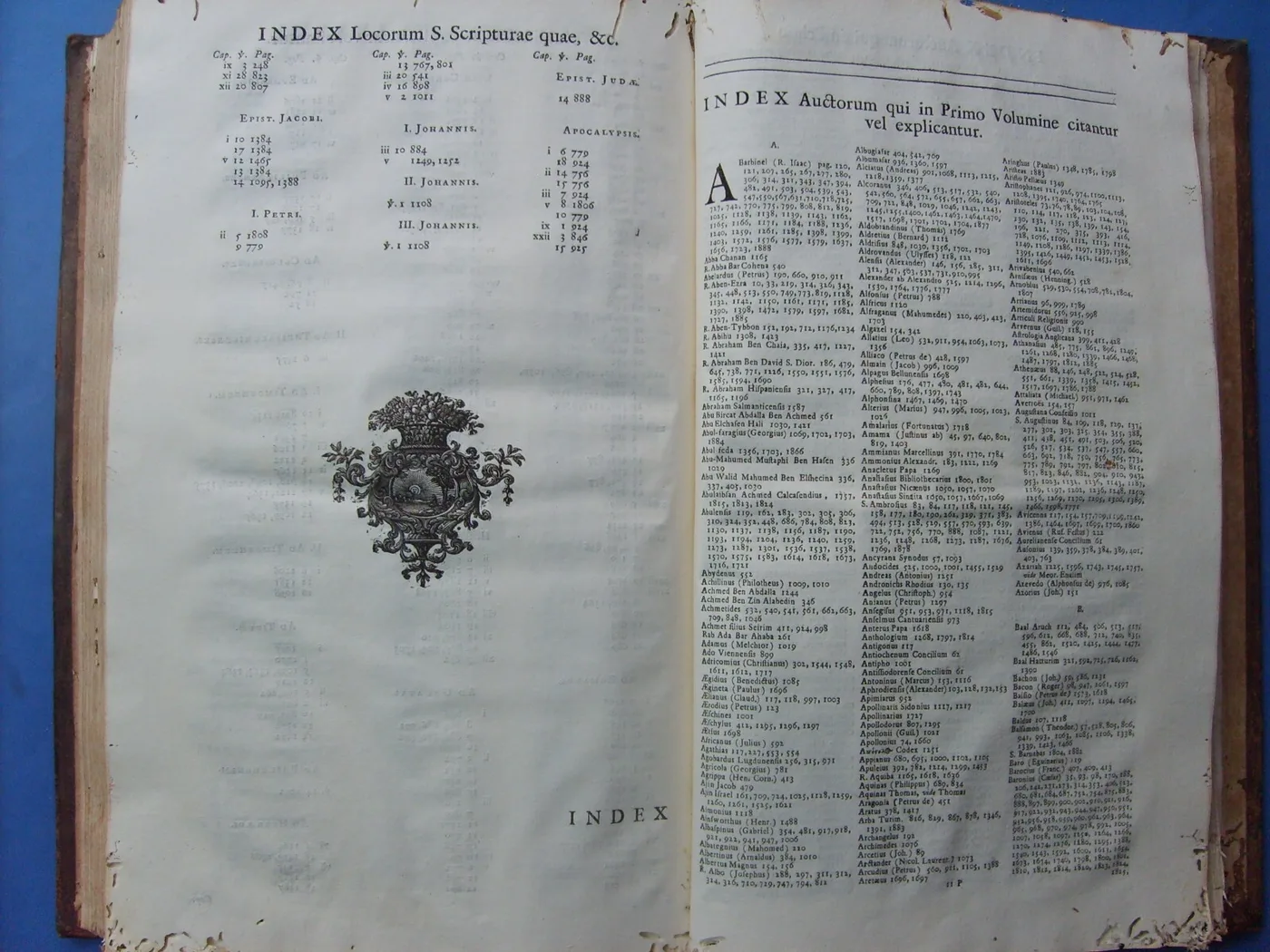
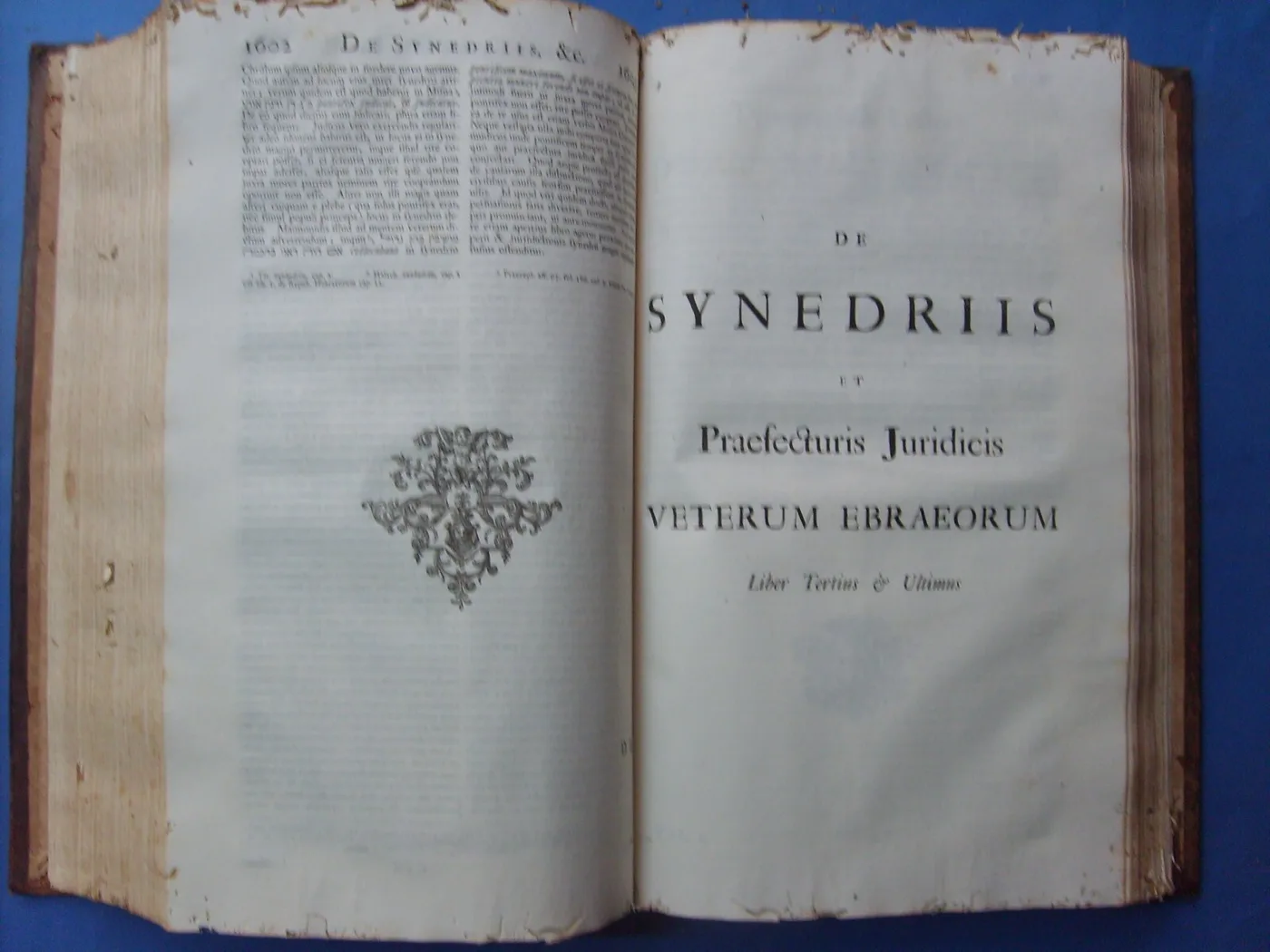
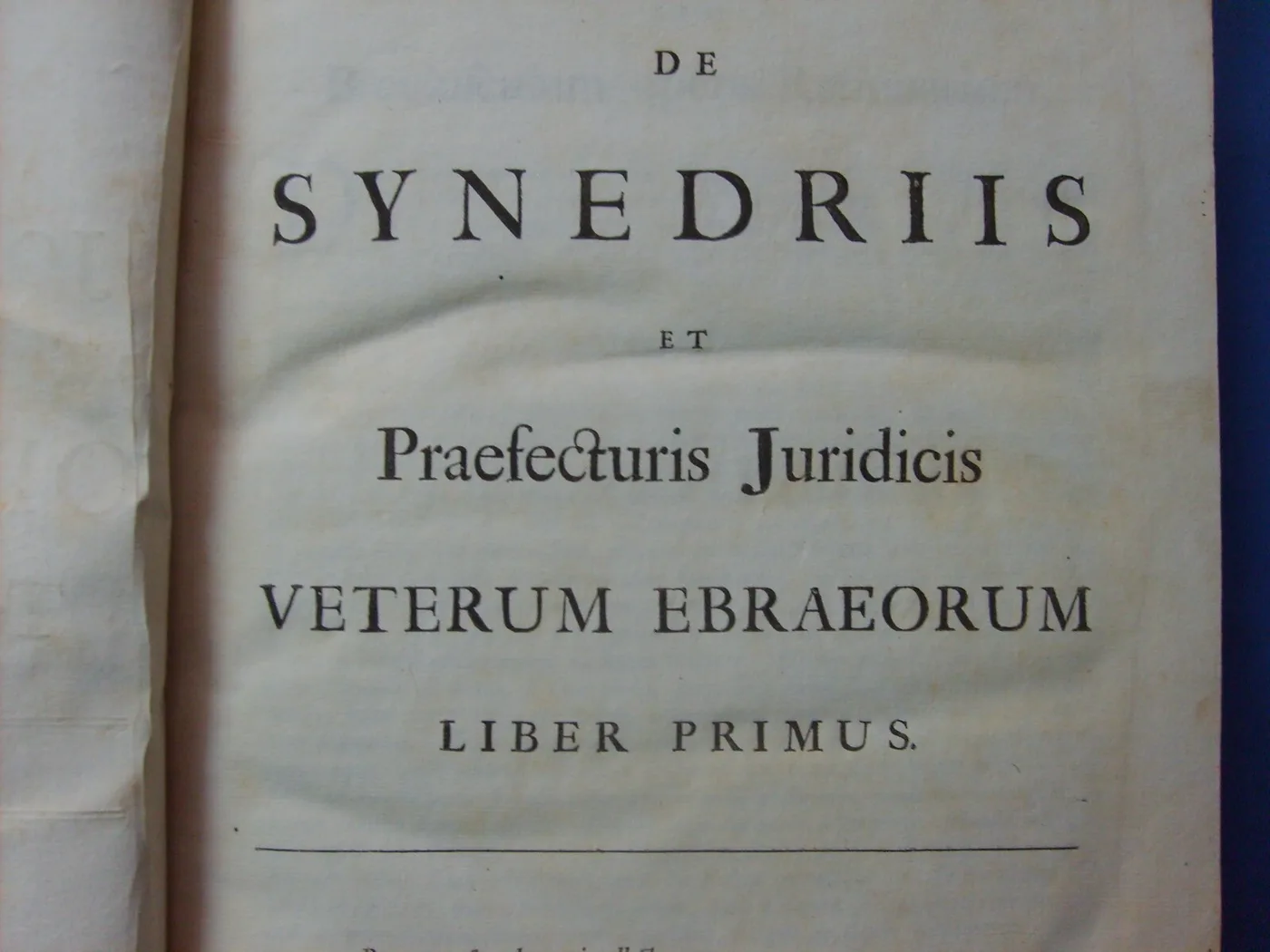
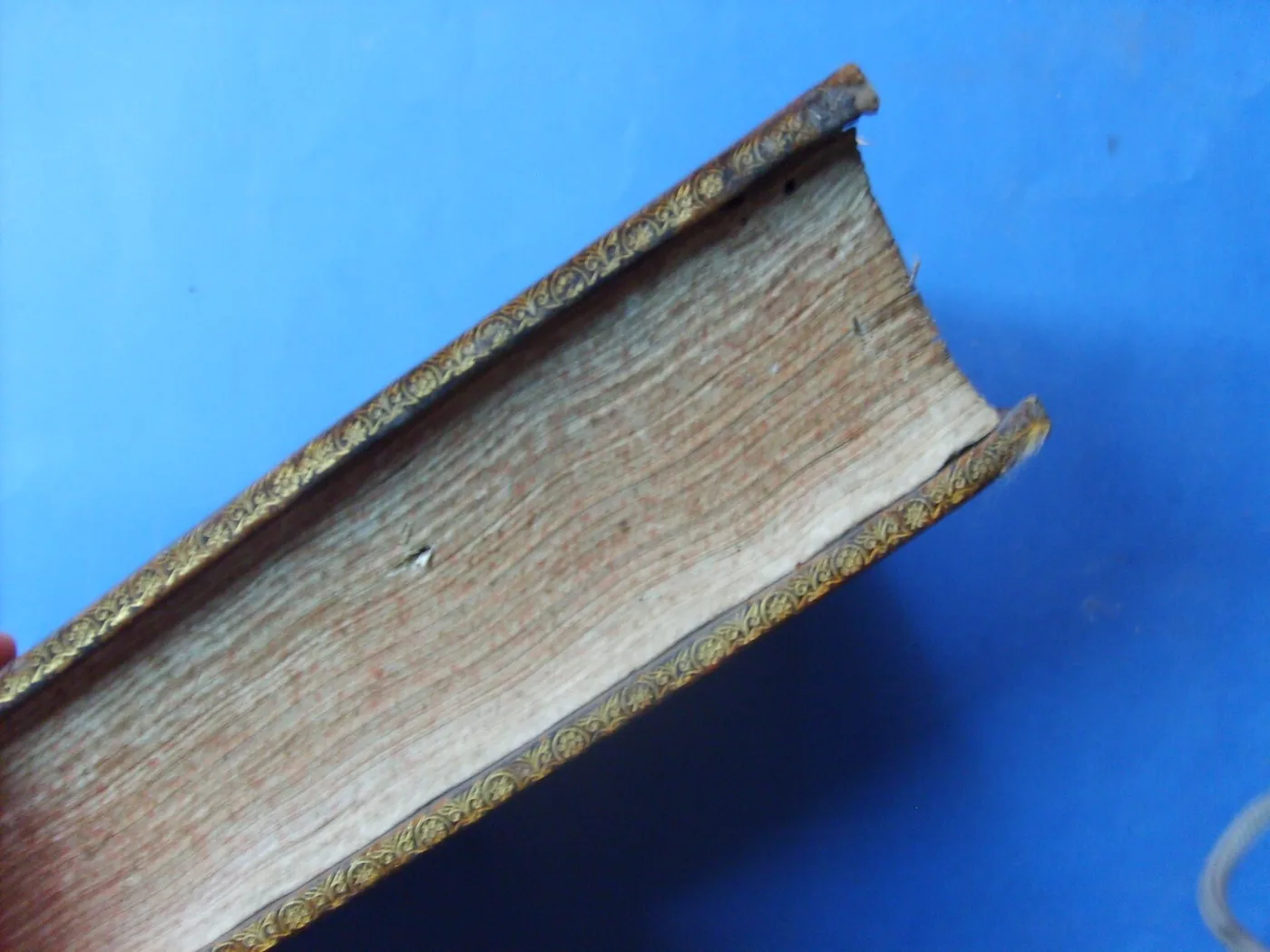
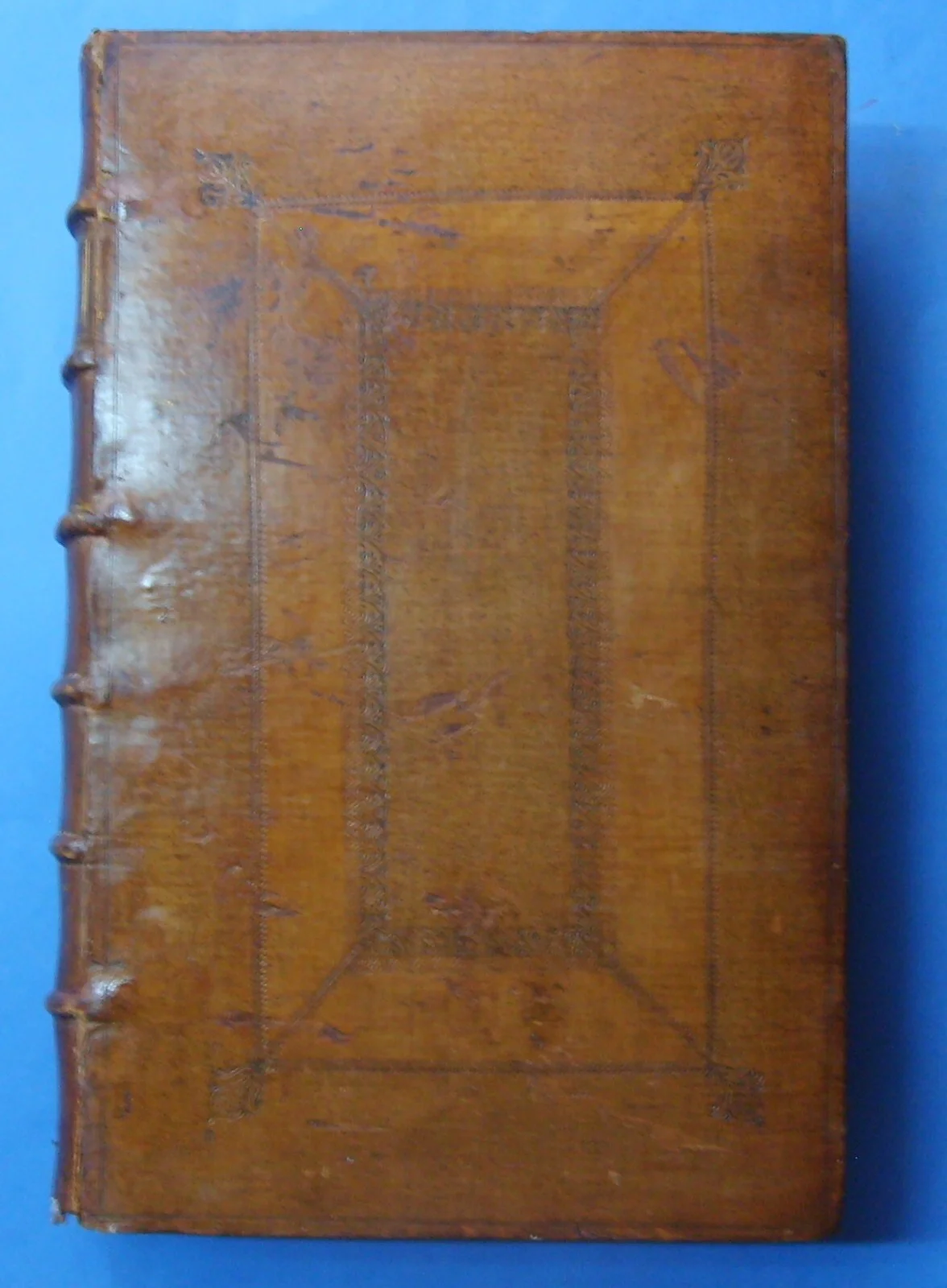
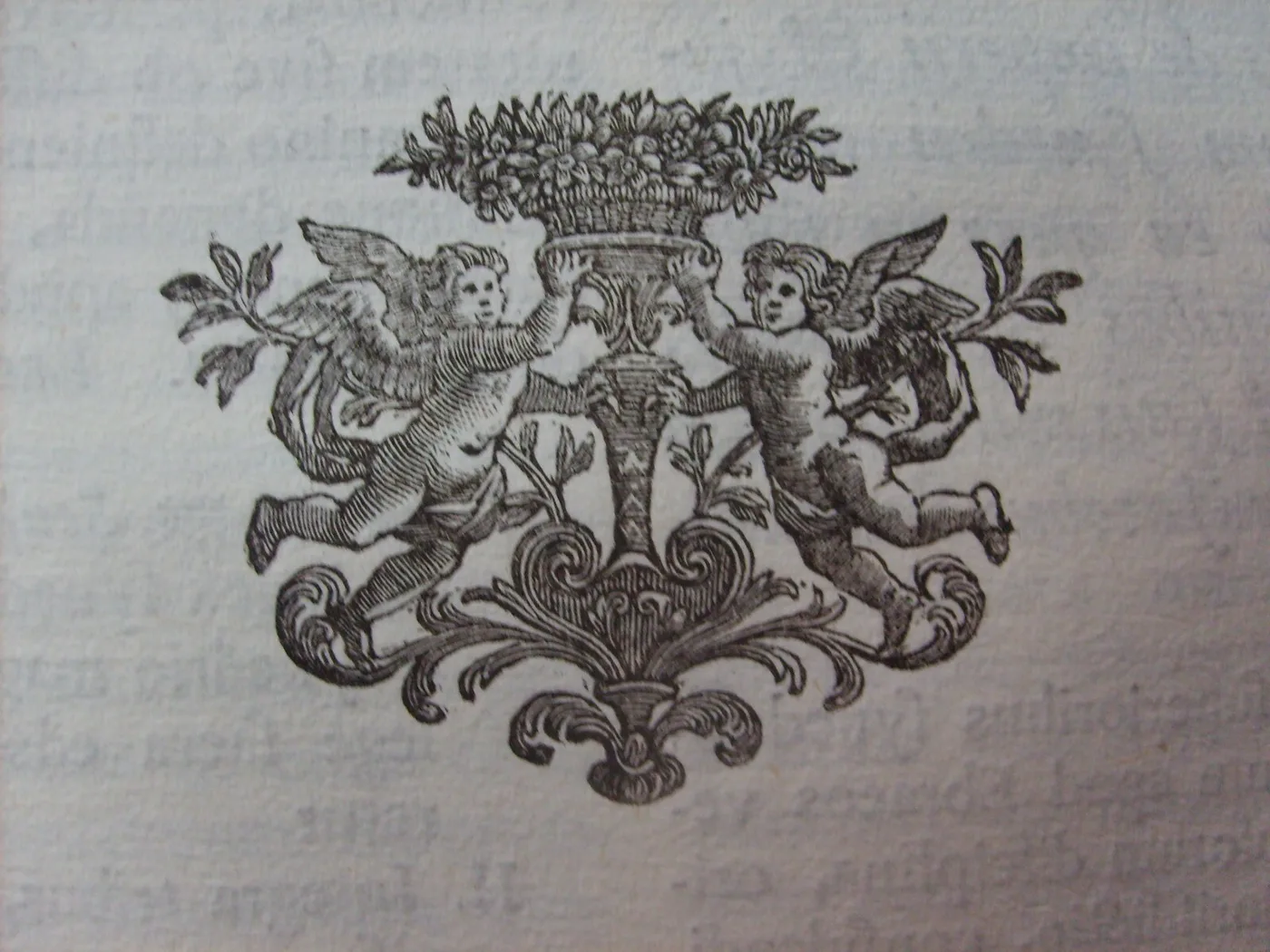
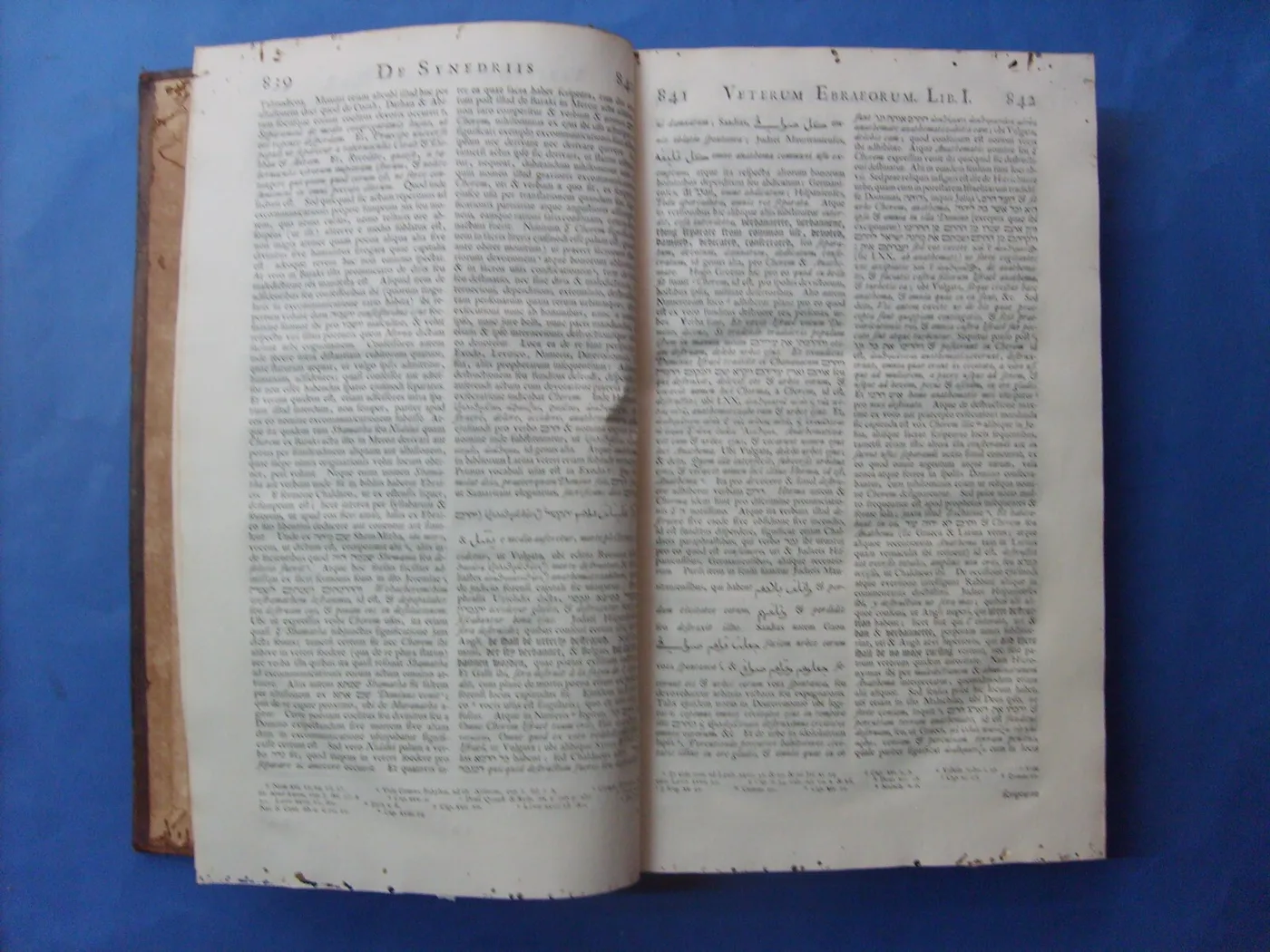
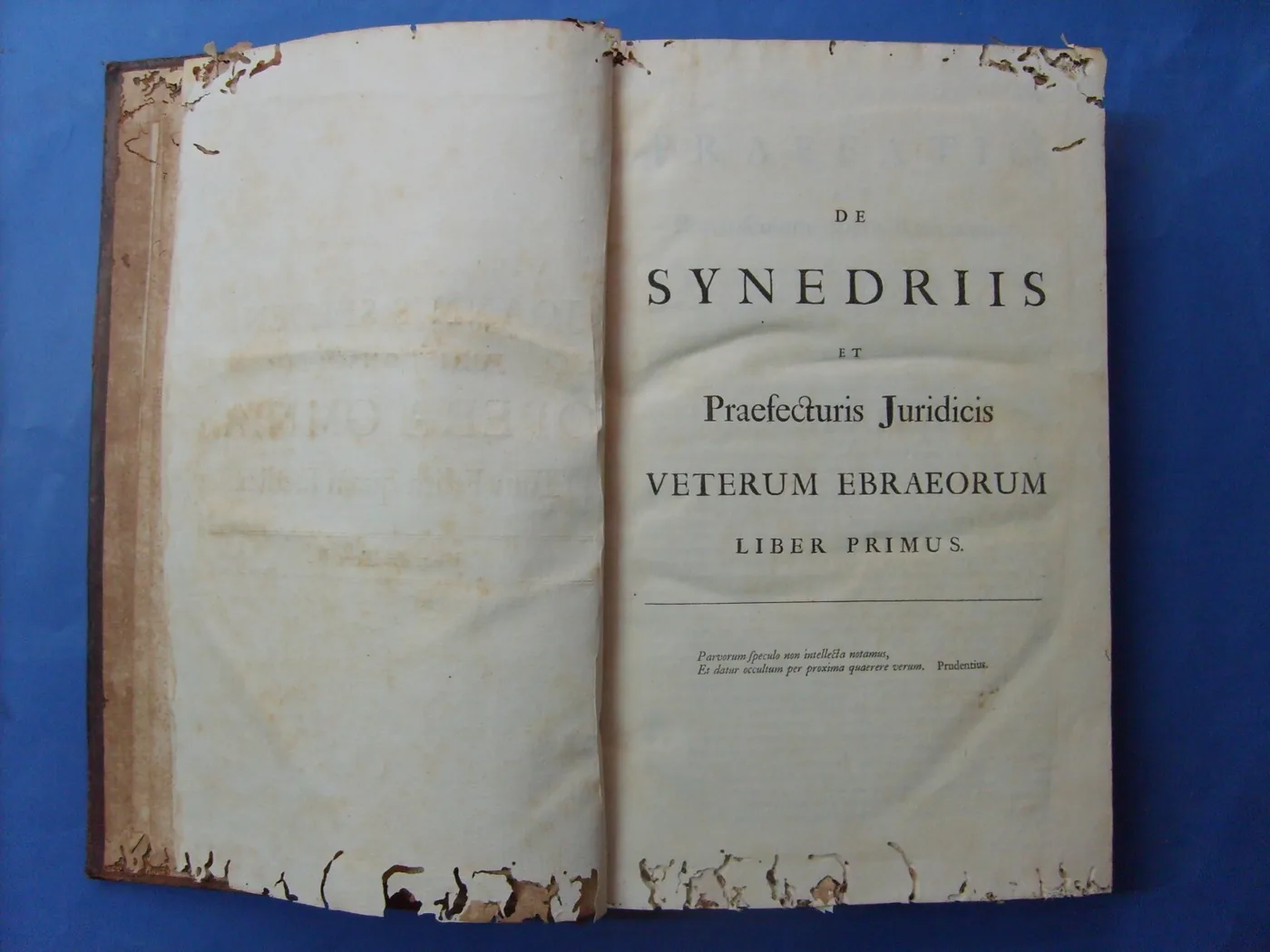
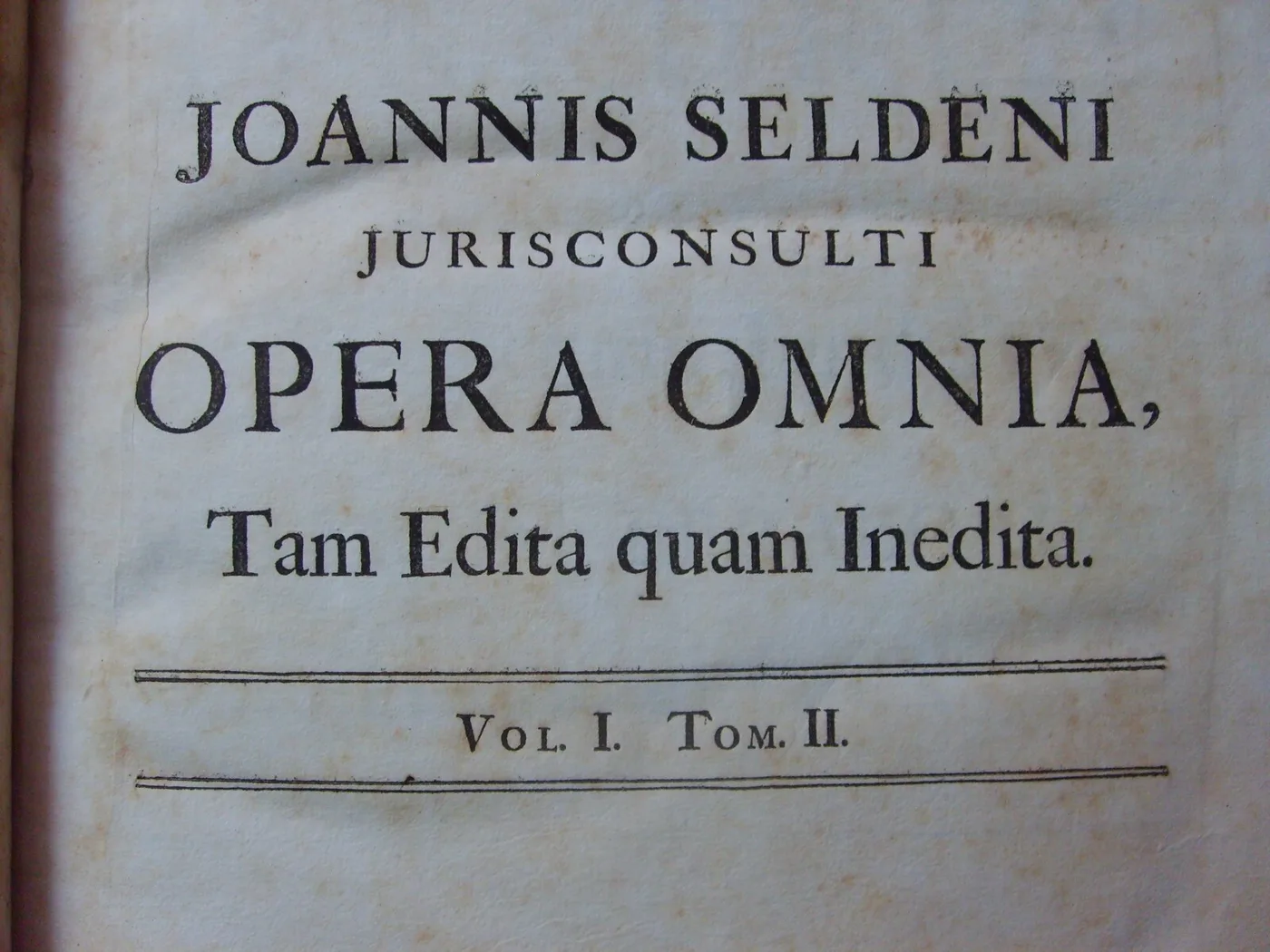
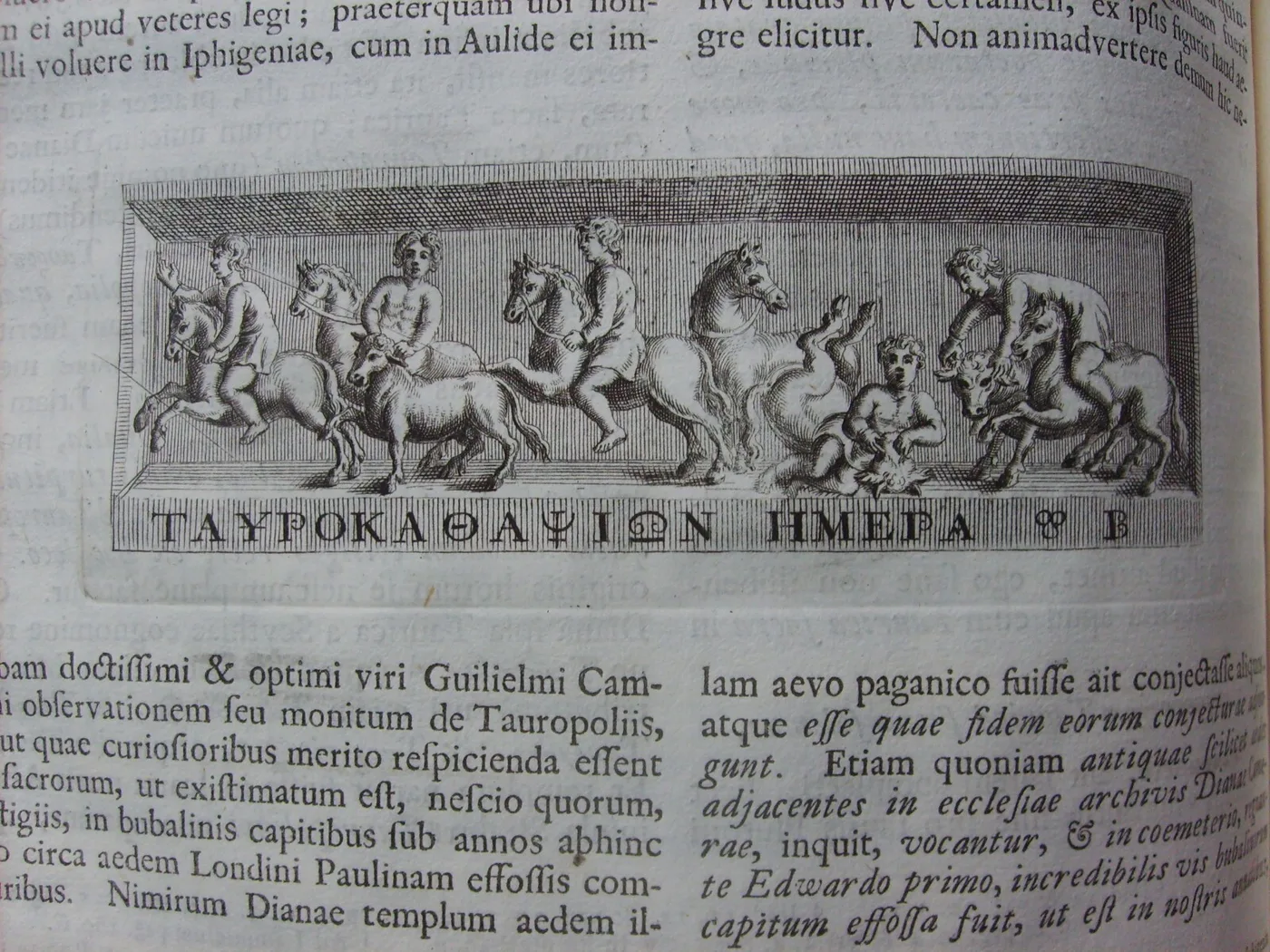
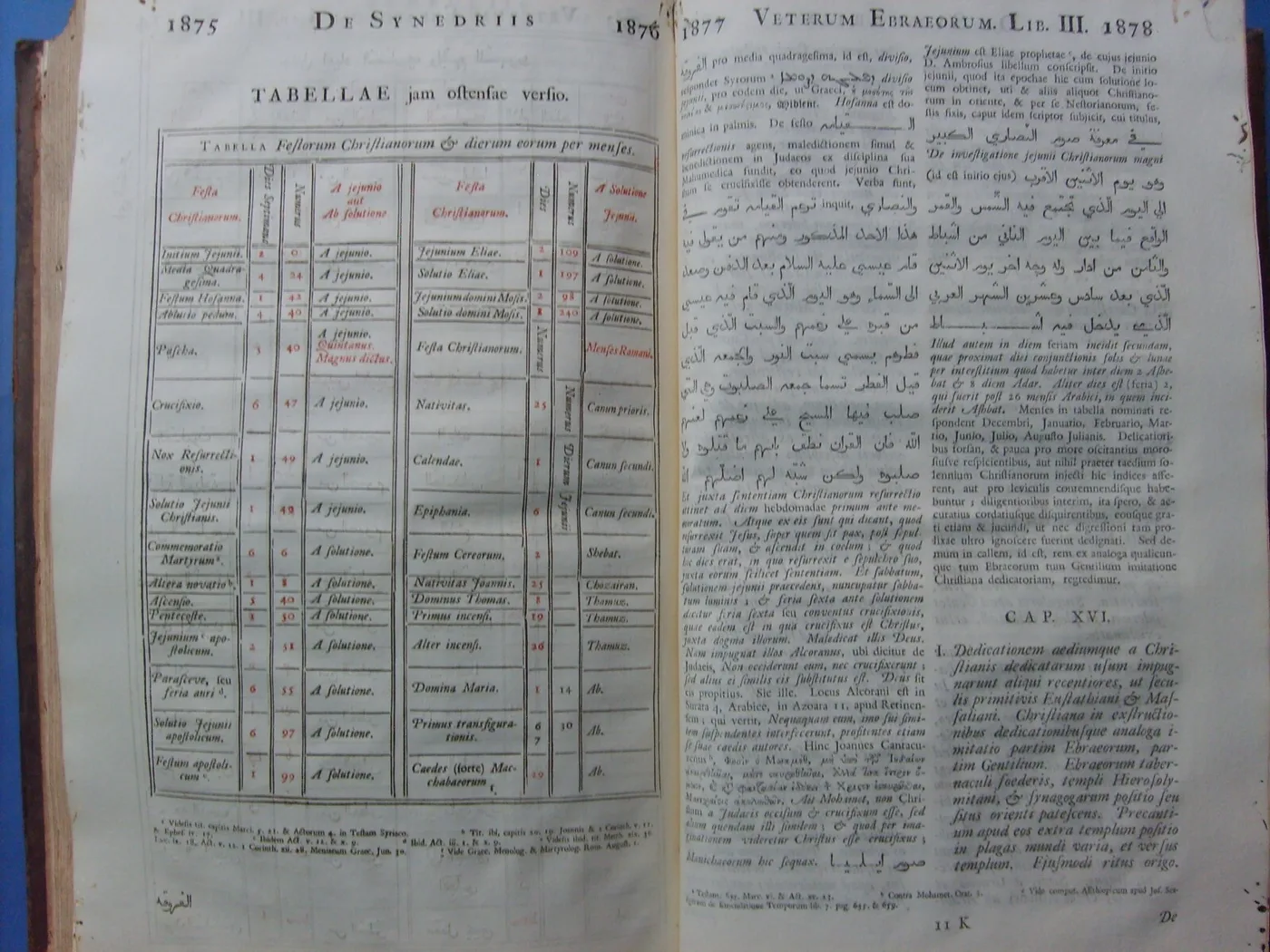
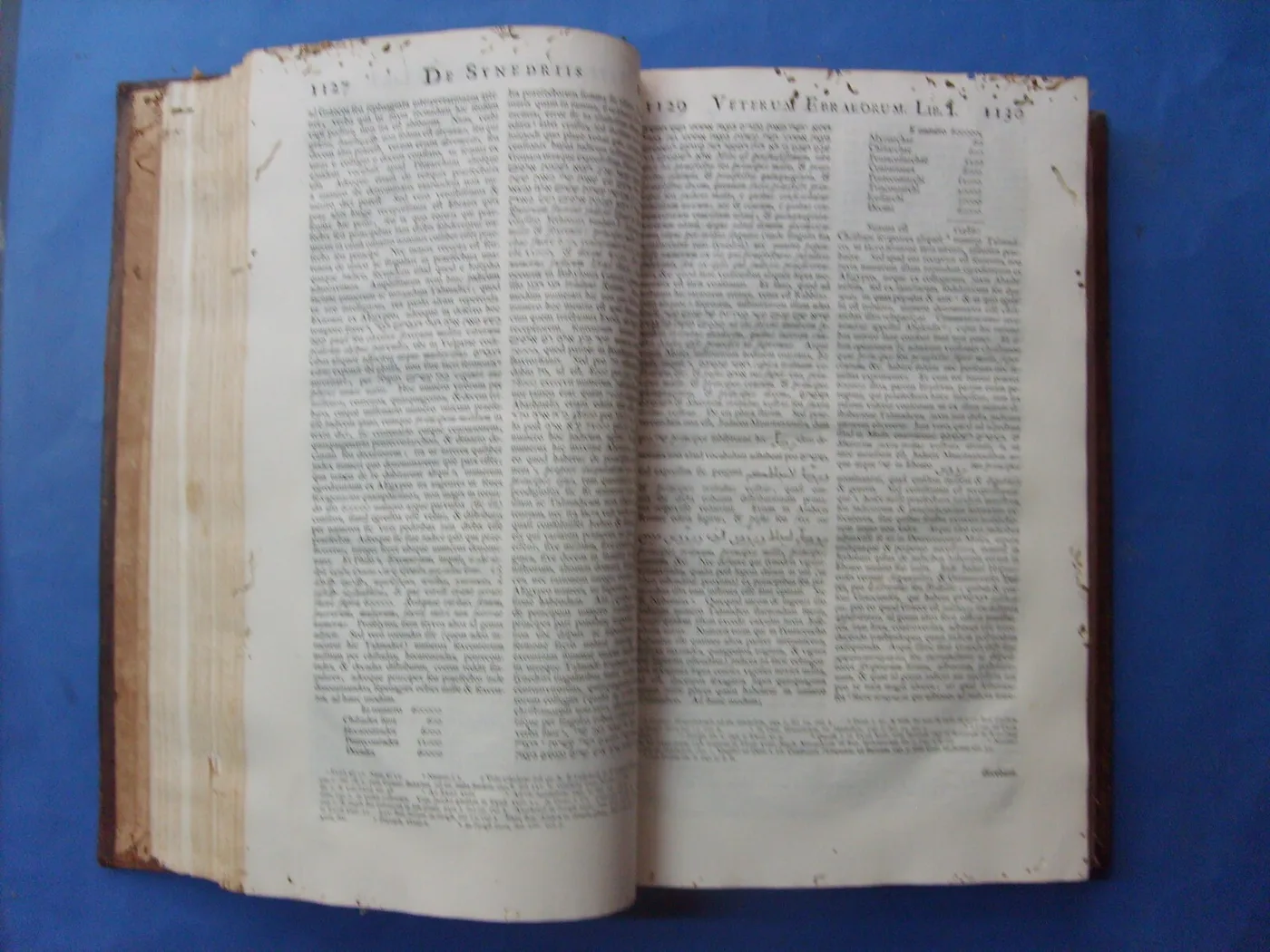
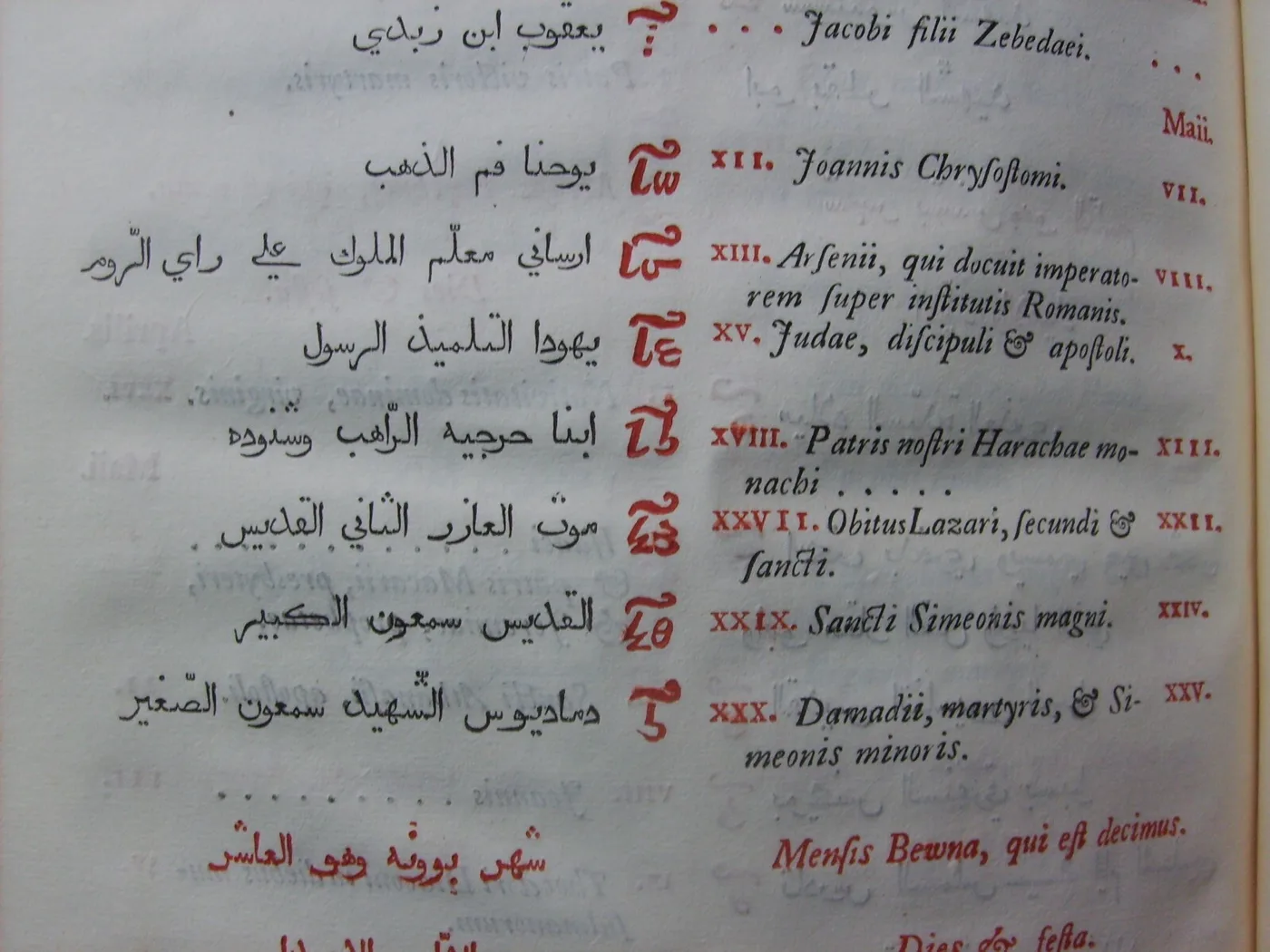
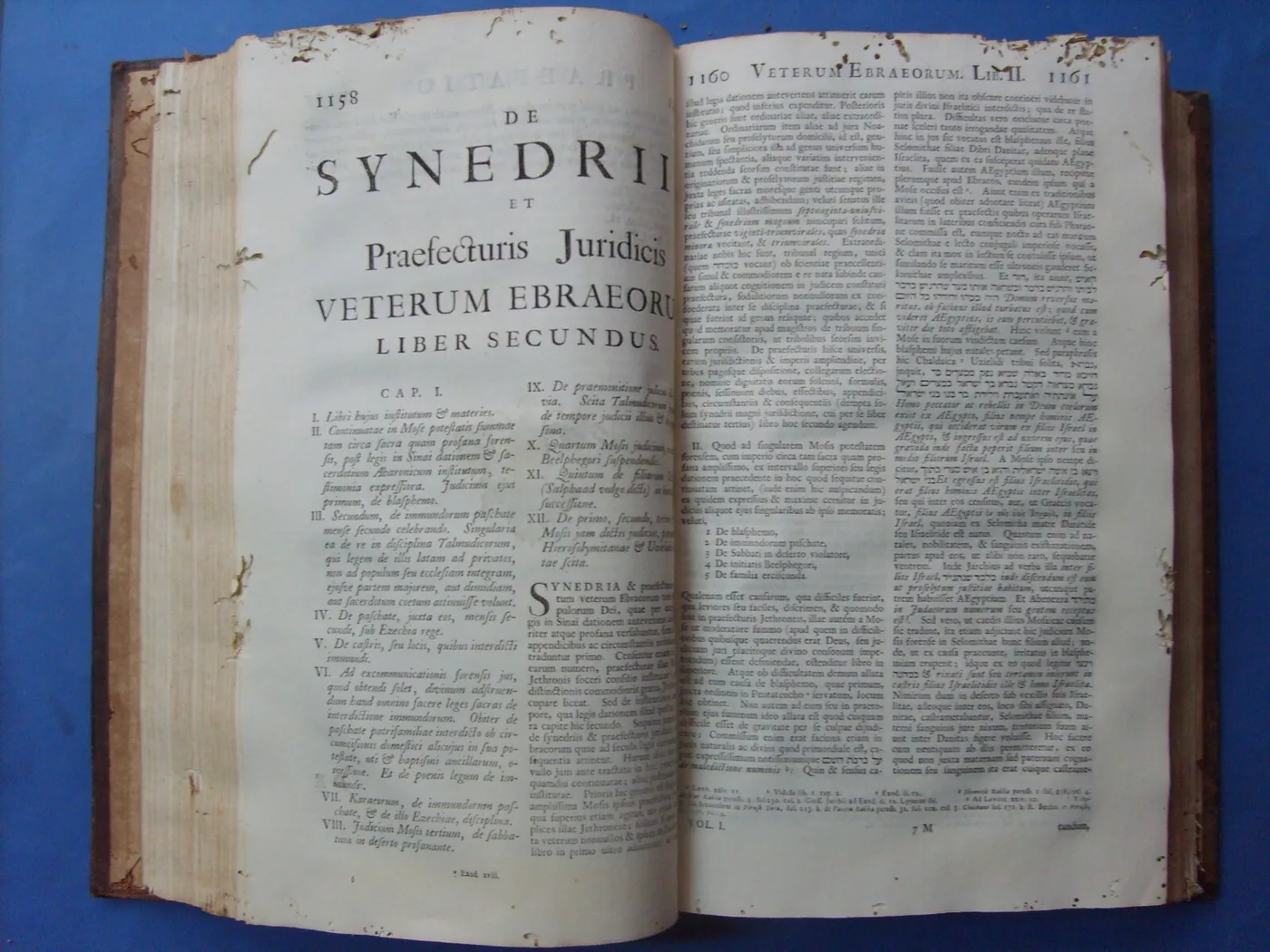
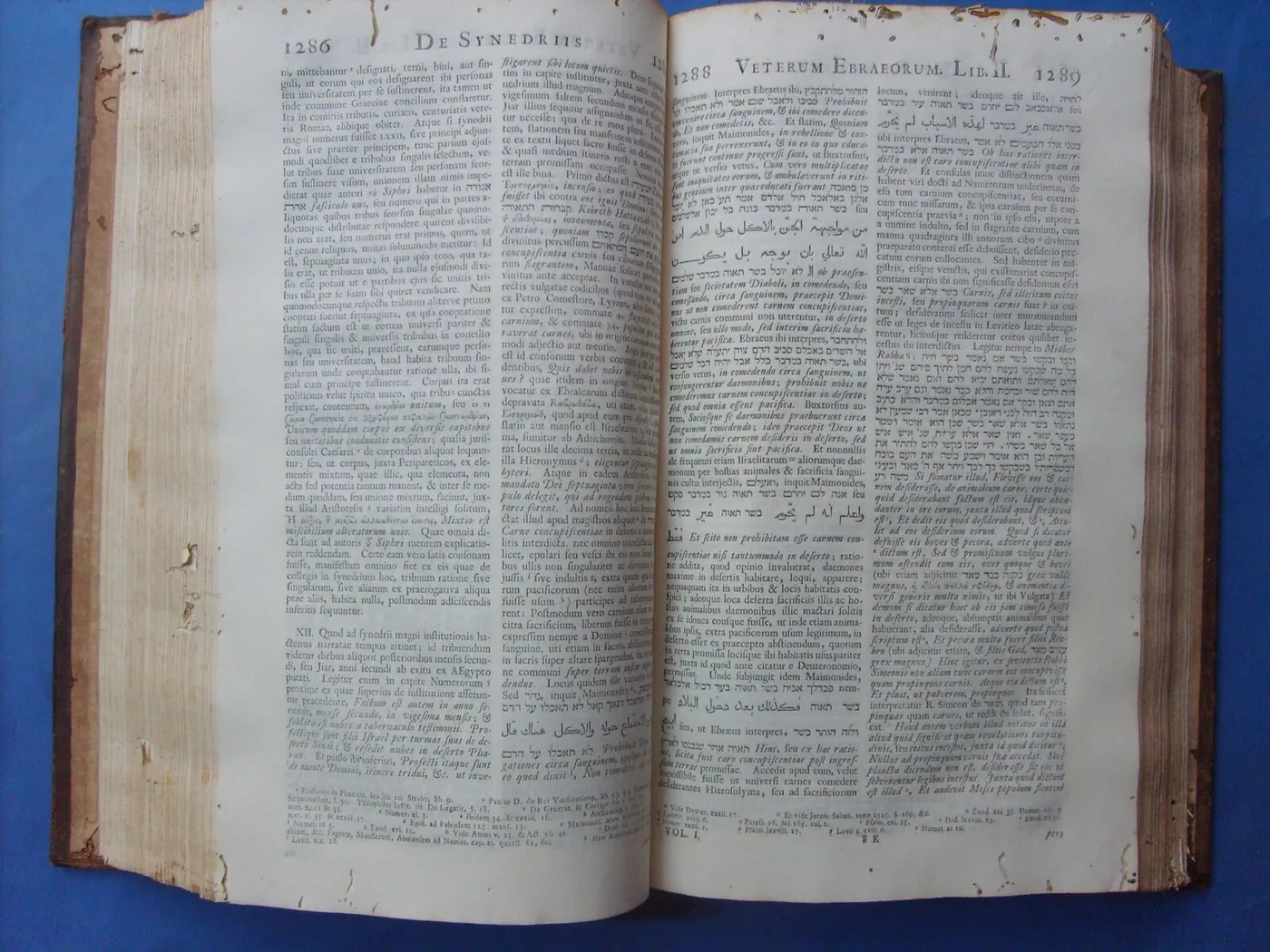
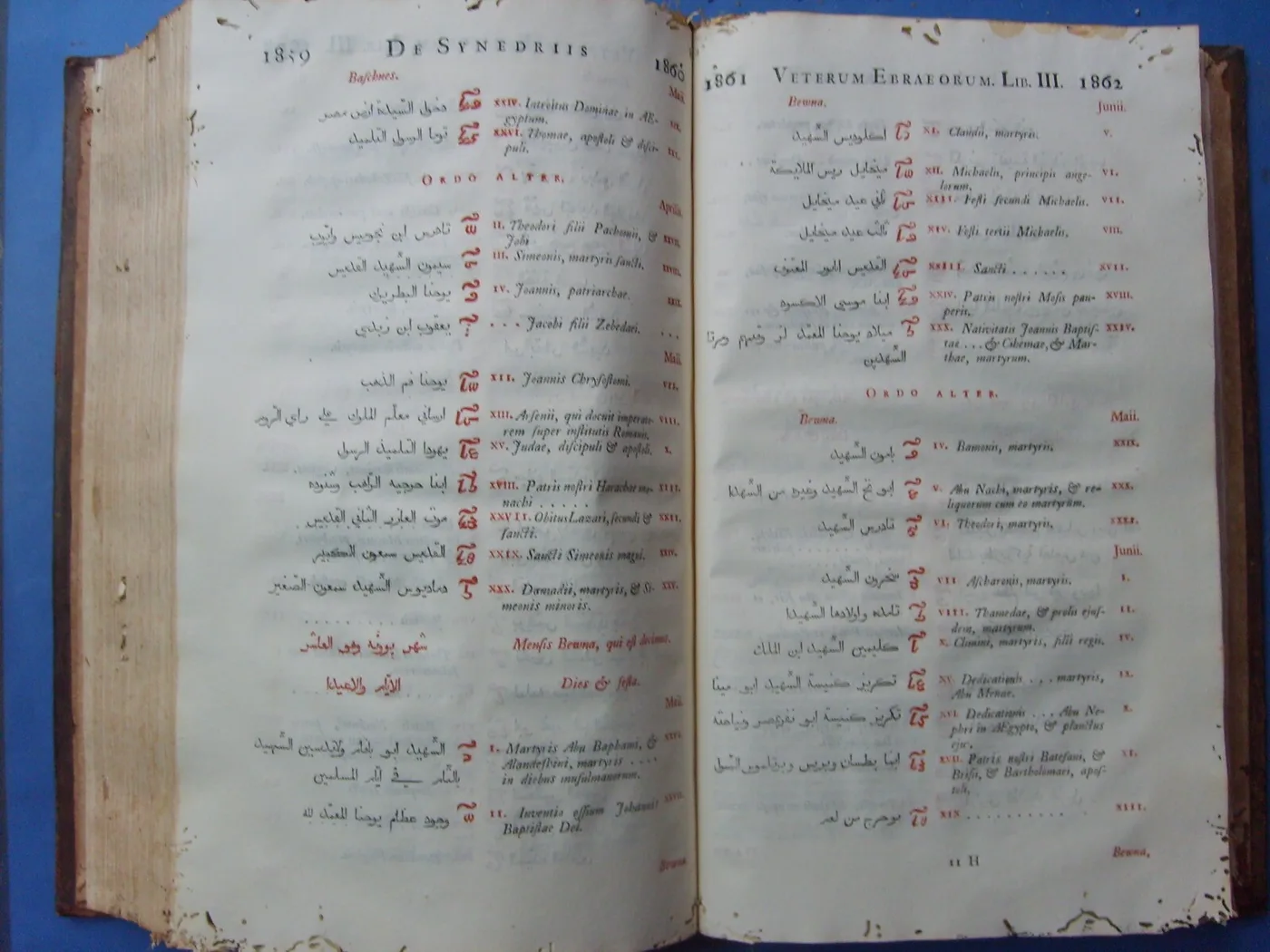
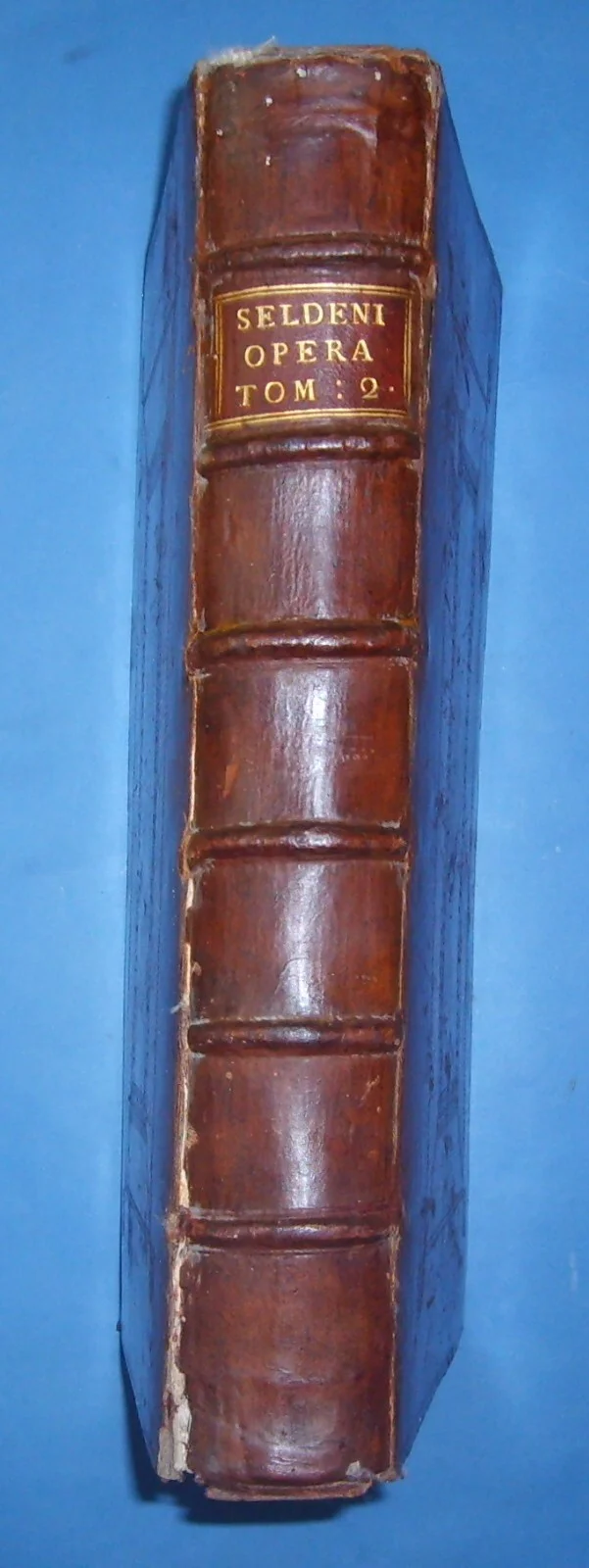
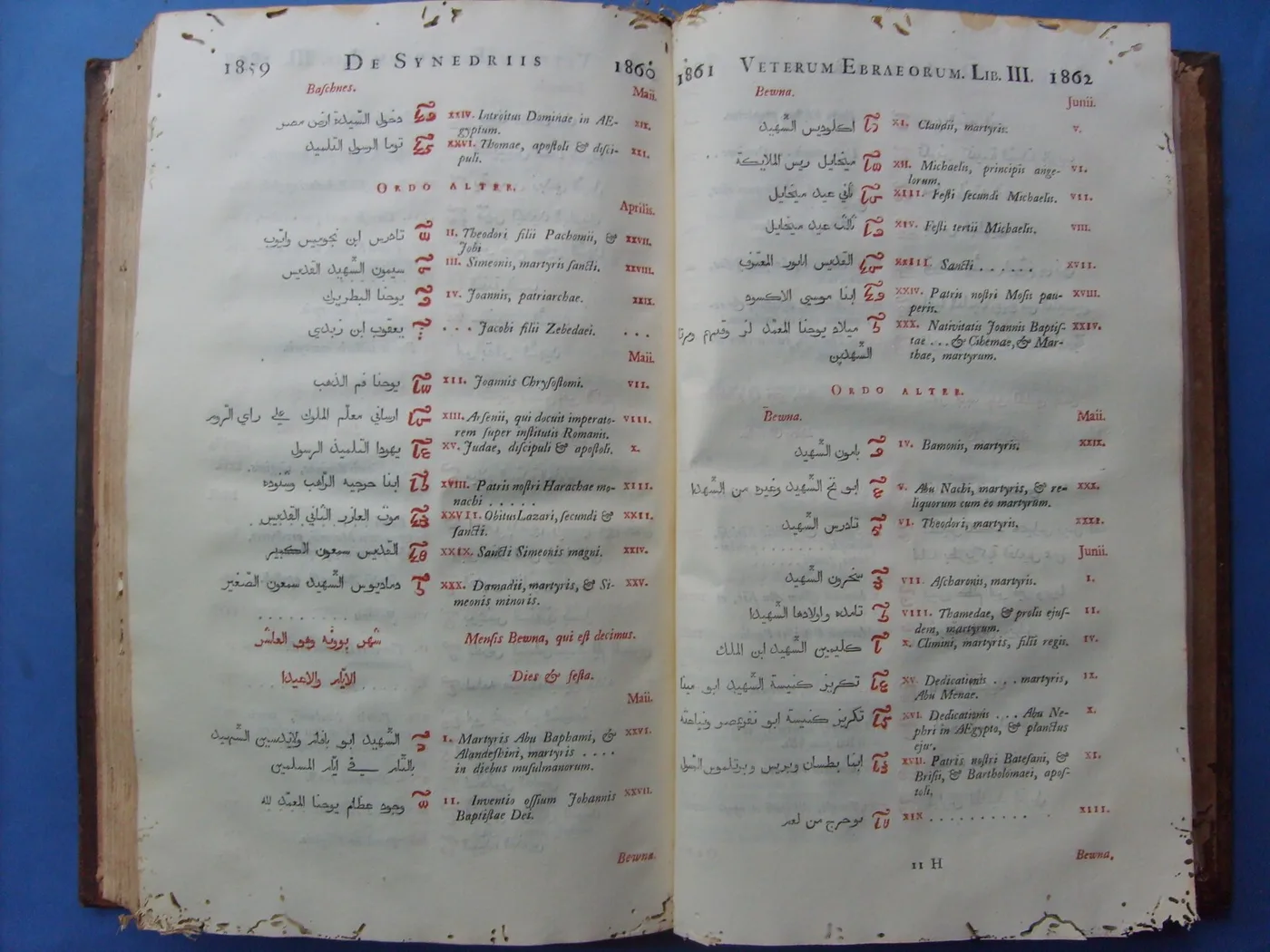
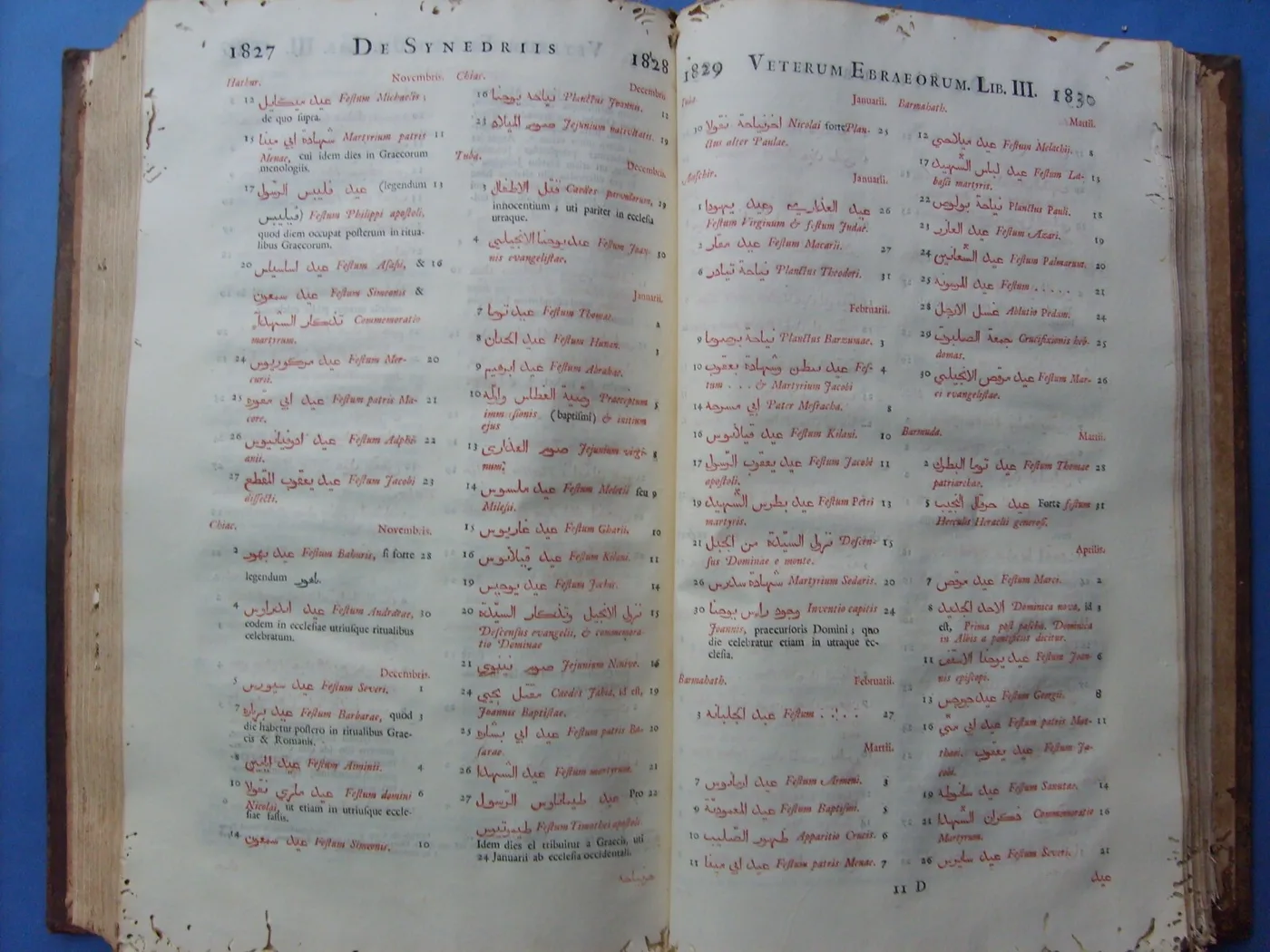
Joannis Seldeni Juriconsulti Opera Omnia *Tam Edita Quam Inedita* S.i.t., s.d. (Londra ?, fine '600 ?) Cm.38, pp.(colonne da 861 a 1721) + indici; legatura d'epoca in piena pelle con fregi impressi a secco sui piatti titoli dorati al dorso (sciupata) Interessante antica edizione, grosso volume con ampia raccolta di scritti del noto giurista inglese John Selden, grande studioso multidisciplinare, della cui vasta produzione è qui presente una selezione di scritti; *unico disponibile ma enorme, contrassegnato "Vol. II, Tom. II", ossia il secondo tomo del secondo volume,* *ma volume praticamente a sè stante poichè ogni volume di tutta la raccolta di opere edite ed inedite dell'Autore comprende singole trattazioni,* e infatti questo grosso tomo ha all'interno: *Analecton Anglo Britannicon* *Libri Duo* *.....* *in sintesi un'ampio resoconto di storia antica inglese, fino all'avvento dei Normanni, con indicazione di innumerevoli eventi storici religiosi profani politici ....* *opera dedicata a Roberto Cotton, e suddivisa in due libri;* segue: *Iani Anglorum* *Facies Altera, Memoria Nemque a Primula Henrici II ad Usque Abitione Quor Occurrit Prophanum Anglo-Britanniae Jus Resipiens Succincto...* *Libri Duo* *.....* *Dissertatio ad Fletam* *....* *Judicium de Decem Historiae Anglicanae Scriptoribus* *.....* *Mare Clausum* *Seu* *De Dominio Maris* *Libri Duo* *opera dedicata al Principe Carlo, con ampia trattazione distinta in due parti, in cui sono anche riportati brani in lingua ebraica (?) ed egiziana (?), con ampia dissertazione sui popoli antichi che esercitarono il loro dominio tramite il mare, tra cui Romani, Veneti, Genovesi, Toscani, ....e altre popolazioni europee tra cui Danesi, Norvegesi, Turchi,...;* *ad arricchire il testo è presente una bella incisione all'acquaforte raffigurante le allegorie di Asia Insulae Hellespontus, tre figure femminili coronate, forse tre sante regine che recano vassoi colmi di monete (?);* *mentre all'inizio del secondo libro di questa stessa opera sul mare, vi è una bella incisione in rame, raffigurante una mappa cartografica dell'antica Inghilterra con anche la Scozia e i parte dei Paesi europei prospicienti, come il nord della Gallia, l'Olanda, l'Aquitania, Norvegia,...;* *e ancora altra illustrazione in rame raffigurante curiose costruzioni;* *altra incisione in rame raffigura una interessante cartografia con evidenziati promontori e città costiere o portuali, con anche visibile l'Isola di White, Bristol, ...e molti altri; scena anche animata dalla presenza di un veliero in mare e dalla Stella dei Venti e da un delfino;* *bella anche un'incisione xilografica raffigurante i due lati di una medaglia;* *Vindiciae* *Secundum Integritatem Existimationis Suae per Convitium de Scriptione Maris Clausi, Petulantissimum Mendacissimumque Insolensis Laesae in Vindiciis Maris Liberi Adversus Petrum Baptistam Burgum* *.....* *Marmora Arundelliana* *Sive Saxa Graece Incisa, ex Venerandis Priscae Orientis Gloriae Ruderibus,* *....* *Accedunt Inscriptiones Aliquot Veteris Latii, ex Locuplentissimo Ejusdem Vetustatis Thesauro Selectae* *....* *con ampia descrizione di epigrafi greche e laziali, con anche i testi in lingua originale (greco), alcune anche con caratteri impressi in rosso probabilmente per indicare le parti che dovevano essere miniate;* *in seguito anche una parte di cronologia storica greca, ed una trattazione su "Ad Smyrnaeorum Decreta et Foedus..."* *con anche l'illustrazione di una antica moneta;* seguono ancora: *Notae & Spicilegium in Eadmeri* *Monachi Cantuariensis* *Historiae Novorum Sive Sui Seculi Libros VI, Res Gestas ....* *con fatti storici relativi al regno di Guglielmo I e II e Enrico I, ossia dal 1066 al 1122;* *testo arricchito da una bella incisione in rame raffigurante un sigillo reale, con un re in trono e un cavaliere (al verso)* *.....* *Ad Viros Clarissimos* *Epistolae Variae Omnes Fere ex Autographis Nun Primum Collectae: Quibus Accedunt Poemata Graecae, Latine, & Anglice* *(raccolta di corrispondenza epistolare con Drayton, Farnabium de Lucano, Hopton, Jonsonium, Whitelocke, Pighius, Usher, ...;* *presente anche una incisione illustrativa in rame raffigurante un cippo con epigrafe)* *......* *A fine volume è presente un copioso indice dei nomi citati, ma anche un indice degli argomenti trattati.* Opera Imponente *di interesse storico, storico-locale, culturale, epigrafico, specialistico, filologico, bibliografico* Modesta conservazione generale, segni e difetti d'uso e d'epoca, volume con estesa tarlatura, con gallerie da tarlo che interessano occasionalmente anche il testo ma che sono prevalentemente diffuse ai margini delle pagine, molto probabilmente per una azione repulsiva operata dall'inchiostro della stampa, che nel corso dei secoli potrebbe aver dissuaso -fortunatamente- i tarli dall'invadere le pagine scritte; nonostante la evidente tarlatura l'opera è complessivamente ben leggibile, ancora ben fresca per la buona qualità della carta, ancora "croccante"; legatura antica in piena pelle su supporto rigido, con i piatti arricchiti da fregi impressi a secco, ma legatura allentata e con rotture al dorso e usurata in parte, con mancanze e spellature al pianto ant.; complessivamente volume meritevole di restauro anche se restauro prevalentemente dovuto alle parti marginali (in parte sfaldate per l'erosione); e comunque anche così l'opera resta molto fascinosa con il suo sapore di vissuto; per lo stato conservativo sù citato l'opera viene ceduta così com'è, senza alcuna garanzia di integrità; non è presente un vero e proprio frontespizio che probabilmente doveva essere invece presente sul primo tomo del primo volume; la numerazione delle pagine così come sù indicata è riferita alle colonne, ossia poichè il testo è distribuito su due colonne per ogni pagina, l'editore ha contrassegnato distintamente le due colonne, sia al recto che al verso di ogni foglio; ***(le immagini allegate raffigurano alcuni particolari dell'intero volume, eventuali ulteriori informazioni a richiesta)*** *#####* * # Arundel marbles ### From Wikipedia, the free encyclopedia The **Arundelian Marbles** are a collection of Greek marbles collected by [Thomas Howard, 21st Earl of Arundel](https://en.wikipedia.org/wiki/Thomas_Howard,_21st_Earl_of_Arundel "Thomas Howard, 21st Earl of Arundel") in the early seventeenth century, the first such comprehensive collection of its kind in England. They now belong to the [Ashmolean Museum](https://en.wikipedia.org/wiki/Ashmolean_Museum "Ashmolean Museum"), [Oxford University](https://en.wikipedia.org/wiki/Oxford_University "Oxford University"), as a result of a gift made by his grandson [Henry Howard, 6th Duke of Norfolk](https://en.wikipedia.org/wiki/Henry_Howard,_6th_Duke_of_Norfolk "Henry Howard, 6th Duke of Norfolk") in 1667[\[1\]](https://en.wikipedia.org/wiki/Arundel_marbles#cite_note-0) and of a supplementary gift in 1755, when the extravagant 2nd Earl of Pomfret sold back to his mother those Arundel marbles that had been at [Easton Neston](https://en.wikipedia.org/wiki/Easton_Neston "Easton Neston"), and she donated them to the Ashmolean, where sometimes they are called the **Pomfret marbles**. The Earl of Arundel had supervised excavations in Rome , and deployed his agents in the Eastern Mediterranean, above all at Istanbul. Late in the seventeenth century, an English visitor to Ottoman Turkey could complain that "the scarcity of antiquities now to be found in Smyrna arises from hence, that it furnished the greatest part of the Marmora Arundeliana." The earl displayed his unrivalled collections at [Arundel House](https://en.wikipedia.org/wiki/Arundel_House "Arundel House"), London. Some of these marbles are not works of art but important inscriptions, the first Greek inscriptions that had been seen in England, from which historians have confirmed many dates in Greek history. Among them is the [Parian Chronicle](https://en.wikipedia.org/wiki/Parian_Chronicle "Parian Chronicle"), inscribed about 263 BC so called because it was found on [Paros](https://en.wikipedia.org/wiki/Paros "Paros"), which gives Greek dates from 1582 BC down to 354 BCE [\[2\]](https://en.wikipedia.org/wiki/Arundel_marbles#cite_note-1) Among outstanding pieces is a metrological relief that shows parts of the human body, outstretched arms, elbow to finger tips, foot, clenched fists and fingers and was used as a standard unit of measure. The Arundel marbles had been catalogued as early as 1628, when, at the suggestion of Sir [Robert Cotton](https://en.wikipedia.org/wiki/Robert_Cotton "Robert Cotton"), [John Selden](https://en.wikipedia.org/wiki/John_Selden "John Selden") had compiled a catalogue, *Marmora Arundeliana,* with the assistance of two others, [Patrick Young](https://en.wikipedia.org/wiki/Patrick_Young "Patrick Young") and [Richard James](https://en.wikipedia.org/wiki/Richard_James_\(scholar\) "Richard James (scholar)"). In 1763 [Richard Chandler](https://en.wikipedia.org/wiki/Richard_Chandler "Richard Chandler") published a fine edition of the inscriptions as *Arundelian Marbles, Marmora Oxoniensia* with a Latin translation, and a number of suggestions for supplying the [lacunae](https://en.wikipedia.org/wiki/Lacuna "Lacuna"). References 1. **[^](https://en.wikipedia.org/wiki/Arundel_marbles#cite_ref-0)** [John Evelyn](https://en.wikipedia.org/wiki/John_Evelyn "John Evelyn") and [John Selden](https://en.wikipedia.org/wiki/John_Selden "John Selden") were instrumental in motivating this gift. 2. **[^](https://en.wikipedia.org/wiki/Arundel_marbles#cite_ref-1)** A smaller fragment of the relief, covering 356–299 BCE is conserved in the museum on Paros. * Denys Eyre Lankester Haynes, 1975. *The Arundel marbles* (Oxford : University of Oxford, Ashmolean Museum) * Michael Vickers, *Arundel and Pomfret Marbles in Oxford* (Ashmolean Museum) [ISBN 1-85444-207-4](https://en.wikipedia.org/wiki/Special:BookSources/1854442074) * [Benjamin Anderson, curator, *The Invention of Antiquity*, exhibition at Bryn Mawr, 2004:](https://www.brynmawr.edu/library/exhibits/antiquity/occupations5.htm "https://www.brynmawr.edu/library/exhibits/antiquity/occupations5.htm") "Epigraphy and Wanderlust"\] * [*Chambers' Book of Days: A Miscellany of Popular Antiquities*, 1869](https://www.thebookofdays.com/months/july/7.htm "https://www.thebookofdays.com/months/july/7.htm") "July 7th" (dal web) * *######* *John Selden, English jurist and philosopher* *Full name* *John Selden* *Born* [*December 16*](https://en.wikipedia.org/wiki/December_16 "December 16")*,* [*1584*](https://en.wikipedia.org/wiki/1584 "1584") [*Sussex*](https://en.wikipedia.org/wiki/Sussex "Sussex")*)* *Died* *November 30, 1654 (aged 69) * *School/tradition* [*Natural Law*](https://en.wikipedia.org/wiki/Natural_Law "Natural Law")*,* [*Social contract*](https://en.wikipedia.org/wiki/Social_contract "Social contract")*,* [*Humanism*](https://en.wikipedia.org/wiki/Humanism "Humanism") *Main interests* [*Political philosophy*](https://en.wikipedia.org/wiki/Political_philosophy "Political philosophy")*,* [*Legal history*](https://en.wikipedia.org/wiki/Legal_history "Legal history") *Notable ideas* *proposed an* [*egoistic*](https://en.wikipedia.org/wiki/Ethical_egoism "Ethical egoism") *theory of moral motivation, maintained that* [*natural law*](https://en.wikipedia.org/wiki/Natural_law "Natural law") *was* [*revealed historically*](https://en.wikipedia.org/wiki/Revelation "Revelation") *through (esp.* [*Hebrew*](https://en.wikipedia.org/wiki/Hebrew_scripture "Hebrew scripture")*)* [*scripture*](https://en.wikipedia.org/wiki/Scripture "Scripture")*, argued that civil law arises from* [*contract*](https://en.wikipedia.org/wiki/Social_contract "Social contract") *Influenced by*[*\[show\]*](javascript:toggleNavigationBar\(1\);)[*Alciato*](https://en.wikipedia.org/wiki/Andrea_Alciato "Andrea Alciato")*,* [*Connan*](https://en.wikipedia.org/wiki/Fran%C3%A7ois_Connan "François Connan")*,* [*Hugo Grotius*](https://en.wikipedia.org/wiki/Hugo_Grotius "Hugo Grotius") *Influenced*[*\[show\]*](javascript:toggleNavigationBar\(2\);)[*Great Tew*](https://en.wikipedia.org/wiki/Great_Tew "Great Tew") *circle,* [*Hobbes*](https://en.wikipedia.org/wiki/Thomas_Hobbes "Thomas Hobbes")*,* [*Cumberland*](https://en.wikipedia.org/wiki/Richard_Cumberland_\(philosopher\) "Richard Cumberland (philosopher)"